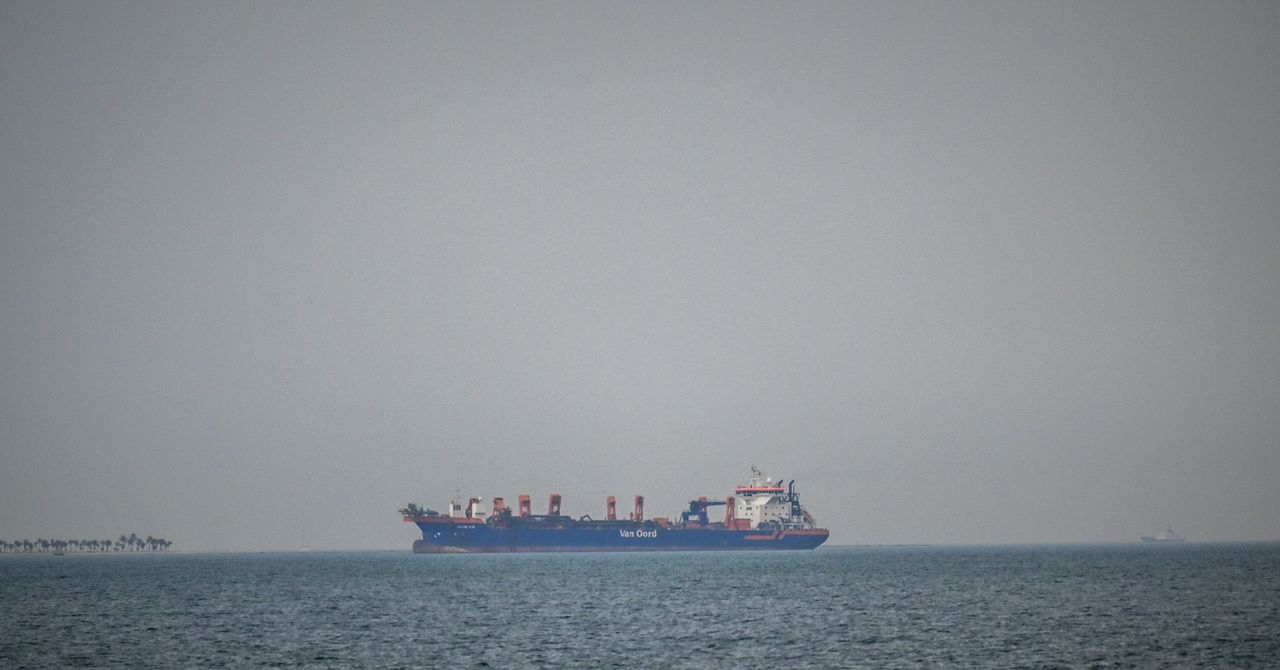
PK Vijay peers across the Gulf’s oily waters from the deck of the Mahakal, a rusting hulk that’s more scrapyard than ship. Fourteen months unpaid, contract expired—he can’t step ashore without the owner’s signature.
That’s the Hormuz trap in action.
Stranded shipping crews in the Strait of Hormuz aren’t just collateral in Iran’s chokepoint games; they’re victims of a $14 trillion global trade machine built on misaligned flags, dodgy registries, and owners who vanish like smoke when tensions flare. Twenty percent of the world’s oil sloshes through this 21-mile bottleneck daily—30 million barrels, per EIA data. Disrupt it, and crews pay the price.
Vijay, a Keralite dad who’d borrowed big for this ‘stable’ gig, got duped onto this unregistered tub. Agents ghosted. Owner silent. Now he’s one of 6,200 seafarers ditched worldwide in 2025 alone, ITF tallies show—the worst year ever.
The Ownership Maze
Ships don’t belong to one place anymore. Owned in Panama, flagged in Liberia, managed from Dubai, crewed by Indians—they’re Frankenstein vessels stitched across borders. Keeps costs low, trade humming. But crank up the heat—like Iran’s Hormuz blockade—and accountability evaporates.
No single cop on the beat. Seafarers need that sign-off to legally bounce, per maritime law. Owners withhold it, crews rot. ITF’s John Canias nails it:
“When the war broke out, we put a Warlike Operations Area Committee in place to address the protection of seafarers in the region.”
Yet even their high-risk zoning for Hormuz and the Gulf of Oman begs owner buy-in. Good luck there.
Why Can’t Stranded Crews in Hormuz Just Walk Off?
Simple: no sign-off, no exit visa. Vijay explains:
“I have finished my contract, but have not been paid a single rupee. It has been 14 months. And they won’t even let us leave.”
Ports demand it. Without, you’re a ghost sailor—stuck fearing Houthi drones or Iranian patrols. Eighteen attacks logged by IMO through March, some fatal. Twenty thousand Gulf workers now dodge missiles daily.
ITF fields dozens of SOS calls—videos of blasts 10 meters off bows, engines sabotaged, power cut. One crew bailed after hull damage; others linger in limbo.
This isn’t new, but scale is. Middle East snags 150+ abandonments this year—Indians hit hardest, then Filipinos, Syrians.
Owners? Often shadowy: Mahakal’s a private Indian’s toy, off IMO books. No paper trail, no pressure points.
Here’s the data punch: shipping’s flag-of-convenience game—80% of tonnage under them, per UNCTAD—slashes oversight. Wages plummet 30-50%. But crises? Premiums spike 20% post-Hamas, Lloyd’s List reports. Crews stranded subsidize that chaos.
Abandonment Avalanche
2025’s 409 ghost ships crush prior records. Conflict turbocharges it—owners cut losses, crews inherit the wreck.
Canias again:
“We’ve seen cases where ships were damaged, where crews had to abandon vessels after attacks and others where ships lost power entirely.”
Machinery trashed, fuel gone. Seafarers scrounge rice from ports, dodge patrols. Vijay’s duo survives on charity.
Market ripple? Hormuz snags already jack VLCC rates 50% since October, per Braemar. Full blockade? Oil to $150/barrel, Goldman whispers. But crews? Forgotten.
Is Global Shipping’s Model Doomed in Hot Zones?
Bet on it—unless regulators force a unified ledger.
My take: this echoes 1979’s tanker crisis post-Revolution, when 100+ vessels idled, crews mutinied. Back then, P&I clubs stepped up repatriation funds. Today? Crickets, as dark fleets (read: Russian shadow tankers) flood Hormuz, insured by murkier reinsurers.
Bold call: without an IMO-mandated owner traceability database by 2027—think blockchain-flagged hulls—abandonments double amid US-China trade wars. Insurers bolt, rates triple, trade grinds 10% slower. Seafarers won’t stomach it; strikes loom from Mumbai to Manila.
ITF pushes, but fragmented flags stonewall. EU’s Carbon Border Tax might nudge—hit dodgy owners’ wallets—but Gulf chaos tests it.
Vijay waits. How many more?
The system’s not broken; it’s rigged for owners. Time to rerig.
Fixes on the Horizon—or Mirage?
Port states like UAE could mandate releases—Fujairah’s tried, sorta. India sues rogue agents. But cross-border? Crawl.
ITF’s war clause lets opt-outs in red zones. Uptake? Spotty. Owners dangle backpay promises—lies, mostly.
Economics bite back. $2 trillion annual maritime wage pool—stranded crews drain morale, spike turnover 15%, per BIMCO. Fix it, or talent flees to Amazon warehouses.
What Happens If Hormuz Stays Shut?
Supply shock. LNG + oil reroutes capes, adding $1M/voyage. But crews? Permanent camps. ITF predicts 50k trapped by summer if Iran digs in.
Unique angle: China’s Belt-Road bet on Pakistan’s Gwadar bypasses Hormuz—$62B invested. If it scales (doubtful pre-2030), Gulf stranding fades. West’s PIP? Pray.
**
🧬 Related Insights
- Read more: Bitcoin Demand’s Deep Freeze: CryptoQuant Spots Contraction, Teases $81K Bounce
- Read more: st-core.fscss: Pure CSS Trading Dashboards That Ditch JavaScript Entirely
Frequently Asked Questions**
What’s causing the ship strandings in Strait of Hormuz? Iran’s closure amid Israel-Hamas war, plus owner abandonments—no pay, no sign-off.
How many seafarers are stranded globally in 2025? Over 6,200 on 409 vessels, ITF data; 150+ in Middle East.
Can ITF rescue trapped crews in Hormuz? They negotiate repatriation, but need owner/state cooperation—slow in crises.