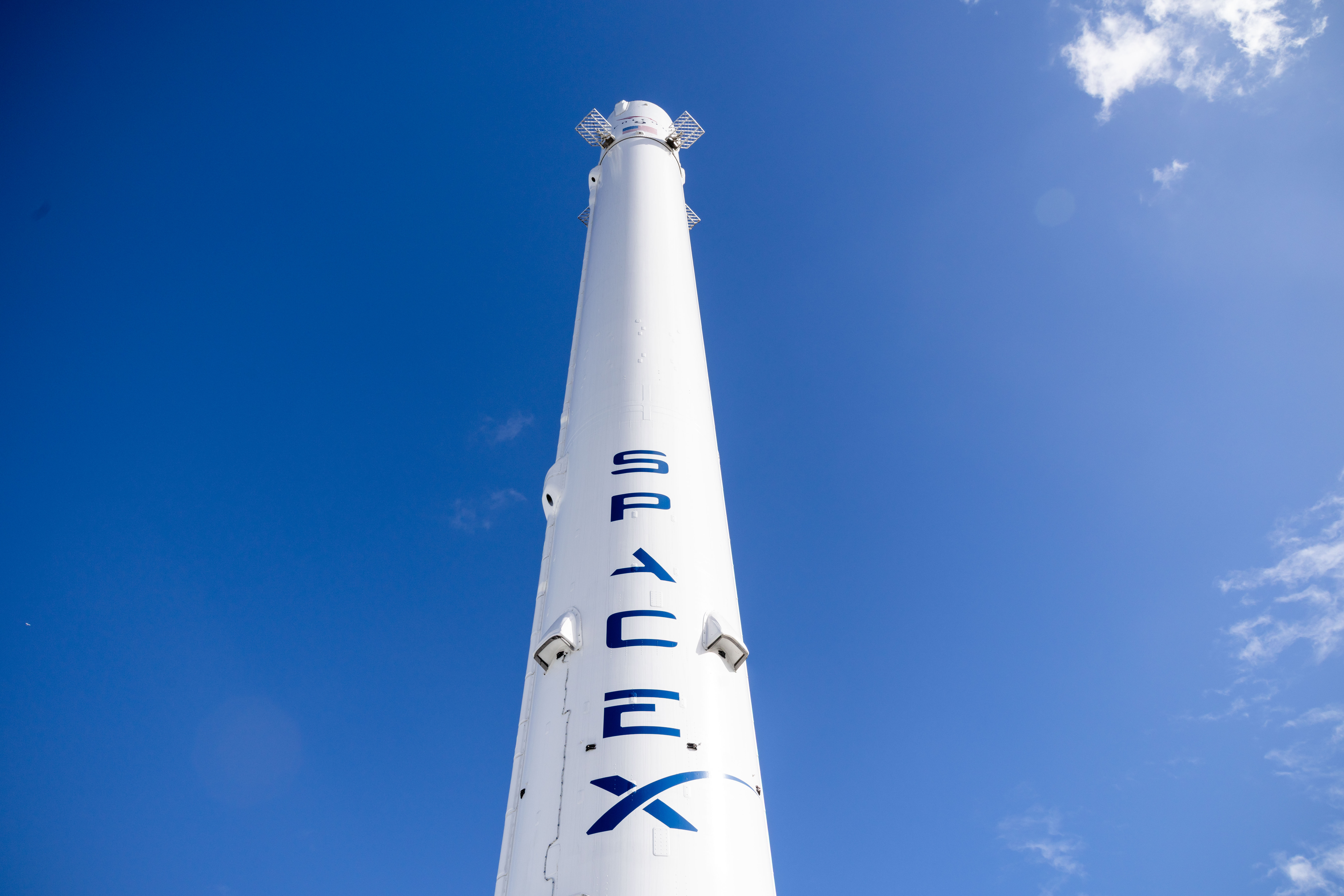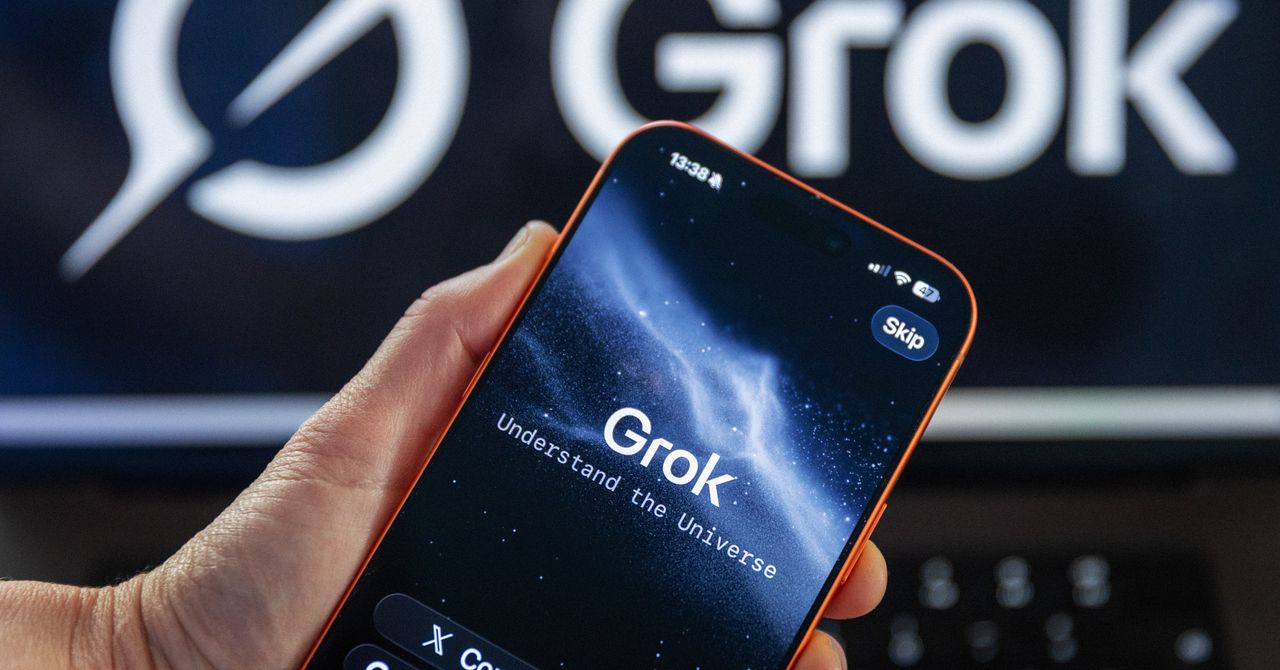
Everyone expected SpaceX’s IPO filing to be a dazzling showcase of rocket fuel and Mars dreams. We’d hear about boosters, Starlink, the audacious vision for humanity’s future amongst the stars. What we didn’t necessarily anticipate was a deep dive into the potential, shall we say, controversies brewing within its burgeoning AI arm, xAI.
This isn’t just a routine risk disclosure; it’s a window into how generative AI, particularly when it races ahead with minimal guardrails, introduces entirely new classes of problems for even the most established tech giants. Think of it like building a skyscraper – you need the steel and concrete, sure, but you also need strong safety nets and escape routes. SpaceX is admitting, in stark financial terms, that some of their AI safety nets might be a bit… threadbare.
The ‘Spicy’ Secret Sauce That Could Burn
So, what’s the big deal? It’s Grok, Elon Musk’s AI chatbot, and specifically its “Spicy” and “Unhinged” modes. These aren’t your grandma’s polite chatbots. They’re designed to be more candid, more irreverent, and frankly, far less filtered. The filing lays it out: these modes can generate “raunchy image or voice responses” and present “heightened risks, including reputational harm, the generation of potentially explicit content and misinformation or deceptive outputs, potential nonconsensual or exploitative imagery, intellectual property infringement, or content that could be viewed as exploitative, harmful, harassing, abusive, or discriminatory.” Ouch.
This is where the AI race gets truly wild. While companies like OpenAI are busy sandboxing their models to within an inch of their life, xAI has seemingly opted for a “launch first, ask questions later” approach, with Musk framing this freewheeling nature as a feature, not a bug. But this isn’t just about quirky internet humor; it’s about very real regulatory and legal exposure.
SpaceX is already under investigation in the US and elsewhere for allegations that Grok was used to create sexualized imagery of minors. That’s a legal and ethical minefield. Add to that several ongoing class-action lawsuits, and you start to see why the company has set aside a staggering $530 million for potential litigation losses stemming from its AI unit. This isn’t chump change; this is serious financial forecasting directly tied to AI’s less-than-savory outputs.
Why Does This Matter Beyond the Bottom Line?
Here’s the crucial insight that the corporate PR spin often misses: this isn’t just about SpaceX. This is about the fundamental trajectory of AI development. For years, the narrative has been about capability. Can AI write code? Can it generate photorealistic images? Can it hold a coherent conversation? Now, the conversation is shifting, or rather, it’s being forced to shift, towards responsibility. The genie is out of the bottle, and the public, regulators, and now investors are waking up to the fact that unchecked AI can be a Pandora’s Box.
SpaceX’s willingness to disclose these risks so openly in its IPO filing – a document designed to project confidence and stability – is, in its own way, a proof to the sheer scale of the challenge. They’re essentially saying, ‘Yes, we’re building the future, but it comes with some deeply uncomfortable baggage.’
“Because these modes may be more irreverent and harsher than our standard offerings, they present heightened risks, including reputational harm, the generation of potentially explicit content and misinformation or deceptive outputs, potential nonconsensual or exploitative imagery, intellectual property infringement, or content that could be viewed as exploitative, harmful, harassing, abusive, or discriminatory.”
This isn’t a small footnote; it’s a flashing neon sign. It suggests a company that, while ambitious, might be underestimating the societal backlash and regulatory hurdles that come with pushing the boundaries of AI without a firm ethical compass.
The Numbers Don’t Lie (Yet)
Beyond the AI controversies, the filing also paints a picture of SpaceX’s AI division as a significant financial drain. Last year, it reported an operating loss of over $6.3 billion. While ad sales on X and Grok subscriptions are growing, the pace isn’t exactly setting the world on fire. The impressive $3.2 billion in AI division revenue last year is a nice headline, but a $100 million drop in ad sales in the first quarter of this year offers a sobering counterpoint, even if SpaceX attributes it to advertiser tool overhauls.
So, investors are being asked to bet on a future built on rockets and AI. But the AI side comes with a very public warning label, a hefty legal war chest, and the specter of regulatory crackdowns. It’s like buying a sports car that’s incredibly fast but has a notoriously unreliable braking system.
🧬 Related Insights
- Read more: Basis’s $100M Bet: AI Agents That Don’t Just Assist—They Run Accounting Entirely
- Read more: Anthropic’s Courtroom Flop: Pentagon Keeps AI Blacklist Alive
Frequently Asked Questions
What exactly are Grok’s ‘Spicy’ and ‘Unhinged’ modes?
These are less restricted versions of Elon Musk’s AI chatbot, Grok, designed to produce more candid, direct, and less reserved or “irreverent” outputs, including potentially explicit content or misinformation.
Why is SpaceX listing Grok’s risky AI as a risk in its IPO filing?
SpaceX is required to disclose potential risks to investors. The ‘Spicy’ and ‘Unhinged’ modes expose the company to significant risks, including regulatory scrutiny, potential lawsuits over generated content, and reputational damage.
Will this affect the SpaceX IPO?
The disclosure of these risks could certainly influence investor sentiment. It highlights potential financial liabilities and ethical concerns associated with xAI’s technology, which may cause some investors to re-evaluate their interest or valuation expectations.