Seventy-five percent. That’s the size of the tax discount on capital gains that Australia’s federal budget wants to slash. It’s a move designed to capture more revenue, but the startup world is sounding the alarm, arguing it could well stifle the very innovation the nation desperately needs to diversify its economy.
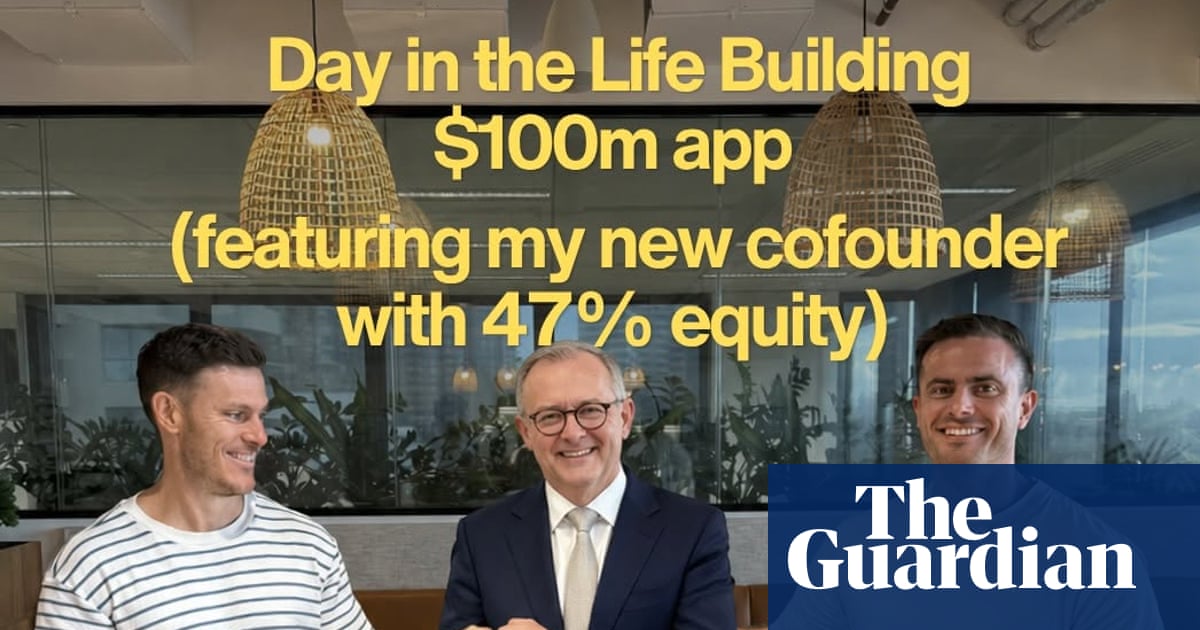
Prime Minister Anthony Albanese has, perhaps predictably, laughed off a surprisingly viral campaign of AI-generated memes. The doctored images, featuring him in various startup roles, are certainly amusing, and Albanese even quipped they were “very flattering.” But behind the digital jests lies a genuine fear that tinkering with capital gains tax (CGT) could send promising ventures — and the talent they attract — packing for shores with more hospitable tax regimes.
This isn’t just about a few disgruntled entrepreneurs with a penchant for Photoshop and AI tools. Independent politicians, the supposed custodians of emerging industries, are echoing these concerns. Senator David Pocock, a vocal advocate for policy that nurtures home-grown innovation, put it starkly: the government needs to tread carefully. “The government needs to do the deep consultation required to get this policy right so any changes don’t drive investment offshore. We need to retain maximum sovereign innovative capability and retain economic benefit here in Australia,” he stated.
Here’s the crux of the issue: for early-stage companies, especially those with thin margins and limited cashflow, equity and stock options are king. They’re the currency used to attract bright minds and reward risk-taking when upfront salaries are a luxury. Founders, too, are often fueled by the dream of a substantial payday upon a successful exit. The proposed CGT changes — swapping the 50% discount for “cost-base indexation” (tax on profits adjusted for inflation) and a minimum 30% rate — directly impacts this. It makes the prospect of selling a stake, or a whole company, significantly less attractive.
The AI Meme Campaign: A Digital Smoke Signal?
The AI meme campaign itself, which Guardian Australia first highlighted, was sparked by Julian Fayad, CEO of LoanOptions.ai. It’s a clever, if somewhat flippant, way to inject humor into a potentially dry, but critical, policy debate. And it’s certainly getting attention. Albanese’s dismissal of the memes — focusing on the fact that the 47% marginal tax rate mentioned in them isn’t changing — feels like a missed opportunity to engage with the underlying anxieties.
But the Treasurer, Jim Chalmers, has hinted at a more nuanced approach, acknowledging that consultation is ongoing and not ruling out carve-outs for new businesses. This offers a sliver of hope that the government isn’t entirely tone-deaf to the potential fallout.
Independent MPs like Allegra Spender and Monique Ryan, usually aligned with broader tax reform goals, are also raising specific objections regarding the startup sector. Spender, for instance, suggests that any revenue generated from CGT changes should be directly channeled back into income tax cuts for citizens. Ryan, meanwhile, advocates for concessional CGT rates for founders, early employees, and investors in new ventures. Her warning is potent: “If we want Australians building businesses here, we can’t make Australia one of the worst places in the developed world to realise a capital gain.”
My unique insight here is to view this not merely as a policy debate, but as a structural stress test. For years, Australia has spoken of fostering an innovation ecosystem. Now, with proposed fiscal policy, we’re seeing how that rhetoric holds up against the sharp edge of budgetary reality. The government’s challenge is to balance revenue needs with the delicate art of incentivizing risk-taking, which is the lifeblood of any startup scene.
“In the same way the government is using tax settings to stimulate housing supply, they should be used to stimulate investment in startups and the innovation we need as a country to solve challenges and diversify our economy,” Pocock told Guardian Australia.
Pocock’s analogy is telling. Tax policy isn’t just about collecting money; it’s a powerful lever for shaping economic behavior. Using it to disincentivize investment in future industries feels, frankly, counterproductive. The government’s argument that “generous” concessions for small businesses will remain might hold some water, but it doesn’t address the specific pain points for the high-growth, high-risk startup environment.
Why Are Startup Founders Using AI Memes for Tax Protest?
This digital theater serves a dual purpose. First, it garnishes widespread attention for an issue that might otherwise languish in policy jargon. Second, it humanizes the concerns of founders and employees. It’s easier to dismiss a dry policy paper than a relatable, funny meme featuring the nation’s leader. This strategy use the very technology that startups are building and innovating with, turning it back on the policymakers. It’s a form of digital civil disobedience, using AI as a megaphone.
The Tech Council of Australia, while expressing confidence in the government’s understanding, underscores the need for clear communication and supportive policies. As legislation approaches, the intensity of this debate will likely escalate. The question remains whether the government will heed the warnings and adapt its approach, or push forward, potentially dimming the prospects for Australia’s next generation of innovators.
🧬 Related Insights
- Read more: AI SEO Monitor That Won’t Forget Your Fixes
- Read more: MetaMask Cracks Open Wall Street for Ethereum Wallets — $4,500 Price Tag in Sight?
Frequently Asked Questions
What are capital gains tax changes in Australia?
Australia’s federal budget proposed altering capital gains tax by replacing the 50% tax discount on profits with cost-base indexation (tax on inflation-adjusted profits) and a minimum 30% tax rate. This impacts profits from selling assets like properties and shares.
Will these tax changes affect startups?
Yes, many worry that the proposed changes could negatively impact startups. Startups often use equity and stock options to compensate employees, and founders are motivated by potential future gains from selling their companies. Increased CGT could make these incentives less attractive and discourage investment in new businesses.
Is Australia considering making it harder to sell businesses?
Some independent politicians and startup advocates argue that the proposed capital gains tax reforms could indeed make it more difficult or less rewarding to realize gains from selling businesses, potentially leading to investment moving offshore.