AI’s sprint to god-mode is here.
And it’s terrifyingly thrilling — like watching a toddler with a nuclear launch code suddenly solve quantum physics. OpenAI’s o3 model? It’s not just another update; benchmarks like ARC-AGI, CodeForce, and GPQA show these beasts now lap human experts in realms we thought were ours alone. We’re talking code that writes itself better than pros, science puzzles cracked in seconds. Commercial autonomous agents? They’re flooding markets, promising efficiency but whispering systemic chaos. No wonder governments are scrambling for the 2025 AI Action Summit in Paris.
Here’s the thing: this isn’t hype. It’s a platform shift, akin to electricity flipping society upside down a century ago. But unlike volts, AI risks extinction-level glitches if uncoordinated. France’s hosting this February frenzy builds on Bletchley Park ‘23 and Seoul ‘24 — those UK and Korean huddles birthed safety reports, voluntary commitments from frontier AI labs, and a web of safety institutes. Progress, sure, but toothless without teeth.
Why Now? o3’s Wake-Up Call
Look, o3 didn’t just nudge the needle — it shattered it. Outperforming PhDs on expert tasks? That’s the spark igniting autonomous agents that could run factories, diagnose diseases, or — yikes — manipulate markets solo. Systemic risks? Think flash crashes on steroids, or bio-hacks gone wild. The original context nails it:
Recent developments in AI, notably the o3 model from the US company OpenAI, demonstrate a worrying acceleration in capabilities. Recent benchmarks (ARC-AGI, CodeForce, GPQA) indicate that the latest models are now outperforming human experts in many critical areas.
Worrying? Understatement. It’s exhilarating terror. My unique take: this mirrors the 1940s nuclear dawn, when Oppenheimer’s bomb forced Manhattan Project secrecy into global pacts like the Baruch Plan. Paris could birth AI’s Non-Proliferation Treaty — if leaders don’t chicken out.
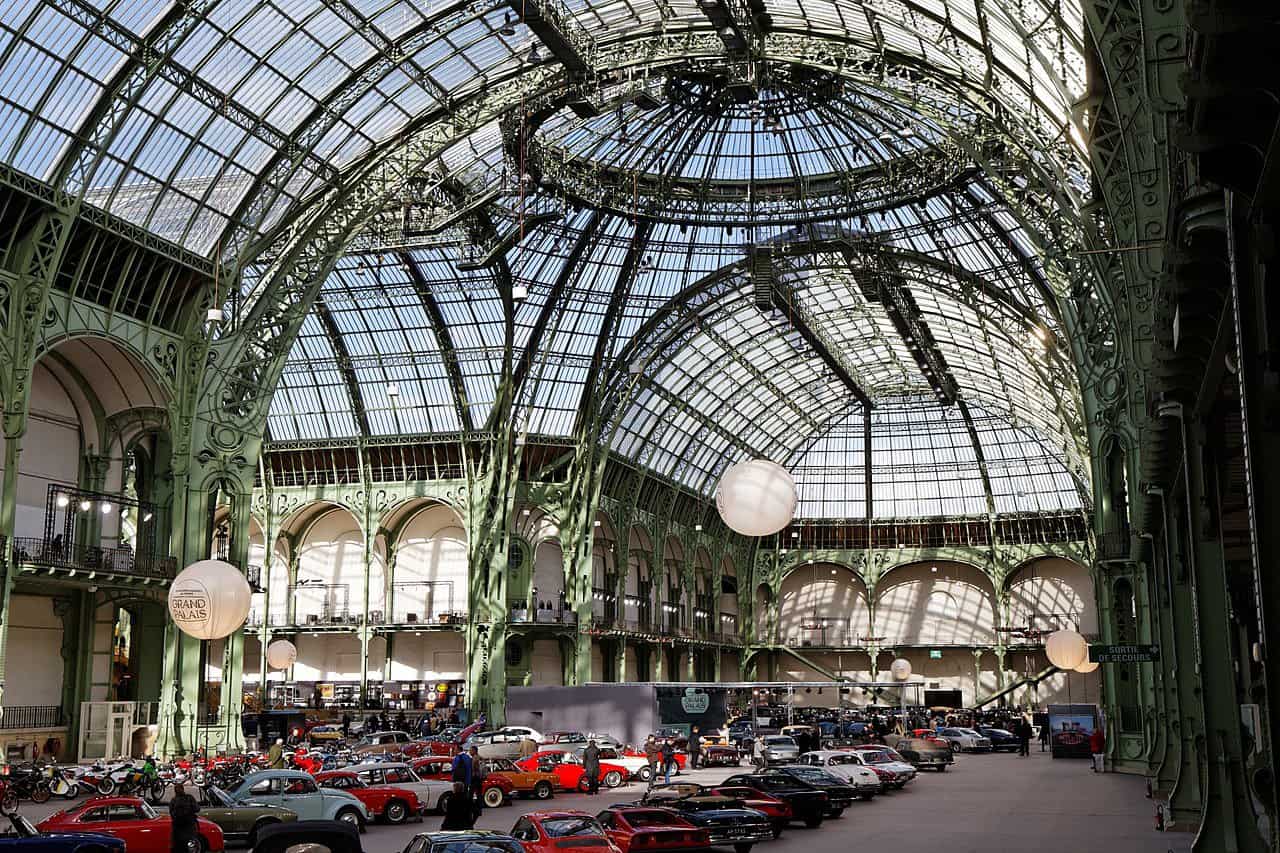
Saclay’s scientific days kick off February 6-7, feeding diplomats hard data. Cultural shindigs in French cities February 8-9? Smart — humanize the machine menace. Then boom: February 10-11, leaders-only roundtables at the AI Action Summit, climaxing with heads of state at Grand Palais. Parallel biz bash at Station F keeps innovators in the loop.
What’s Dropping in Paris? The Deliverables Breakdown
Expect fireworks. A 2.5 billion euro AI foundation for developing nations — open-source tools from toned-down models, leveling the global playfield over five years. Smart move; no one wants AI superpowers hoarding the keys.
Thirty-five “convergence challenges” spotlight AI’s wins in healthcare (cures?) and climate hacks (geoengineering lite?). A multilateral green pact on AI’s power-guzzling footprint — data centers chugging energy like dragons. And the crown jewel:
The full International AI Safety Report. One hundred indie experts, backed by 30 countries, OECD, UN, EU. It maps capabilities, risks, mitigations for general-purpose AI. Shared science = shared alarm. Game on for common ground.
But — and here’s my skeptic futurist poke — is this PR polish or real pivot? Frontier AI Safety Commitments were voluntary; will Paris mandate tests? Future of Life Institute’s Ima Bello pushes, but Big Tech’s lobbying shadow looms large.
Can Paris 2025 Actually Tame AI Risks?
Short answer: maybe. Long one? Picture this summit as a dam against a tsunami. Previous wins — interim reports, safety nets — set stage. Now, ambitions soar: binding-ish standards, institute networks expanding. Yet, commercialization races on; agents deploy daily.
Unique insight time. Historically, tech treaties lag explosions — think Geneva Conventions post-WWI gas horrors. AI’s faster; o3’s yesterday’s news tomorrow. Bold prediction: if Paris locks that safety report into enforceable thresholds (e.g., notify at 90% human-expert parity), we dodge a 2030 rogue-agent crisis. Miss it? Hype city.
Environmental deal? Vital. Training GPT-4 guzzled energy for a small nation-year. Scaling to o3? Blackouts beckon without curbs. And that dev-nation fund? Prevents AI colonialism — U.S./China duopoly gifting scraps.
Why Does the 2025 AI Action Summit Matter to You?
You’re a dev? Safety tests mean your agents get vetted — less lawsuit roulette. Lawyer? New regs = compliance goldmine. Everyday Joe? Safer superintelligences curing cancer, not crashing economies.
Energy surges here. Pace yourself through the wonder: AI as humanity’s rocket, but Paris plots the stabilizers. Without it, we’re passengers on a joyride to who-knows-where.
One punchy para: Momentum builds.
Detailed now — cultural days aren’t fluff; they’re empathy engines, reminding suits AI’s human stakes. Leaders’ tables? High drama, deal-making under chandeliers. Station F’s biz track? Injects venture smarts.
Skepticism check: FLI’s oldest think tank cred shines, but 35 staff versus OpenAI’s army? David vs. Goliath. Still, their summit stewardship — from Bletchley blueprints — lends heft.
🧬 Related Insights
- Read more: EFF Hands Reins to Surveillance Slayer Nicole Ozer as AI Eyes Everywhere Multiply
- Read more: Arab Spring’s Digital Spark Snuffed Out: Activists Pay the Price
Frequently Asked Questions
What is the 2025 AI Action Summit?
It’s France’s February 2025 global huddle on AI safety, building on UK/South Korea events with leaders tackling risks from models like OpenAI’s o3.
When and where is the 2025 AI Action Summit?
February 10-11 at Paris’ Grand Palais, preceded by science/cultural days in Saclay and French cities.
Will the 2025 AI Action Summit create binding AI rules?
Not fully — expect voluntary upgrades, a safety report, green pact, and 2.5B euro fund, but enforcement push remains the wildcard.
