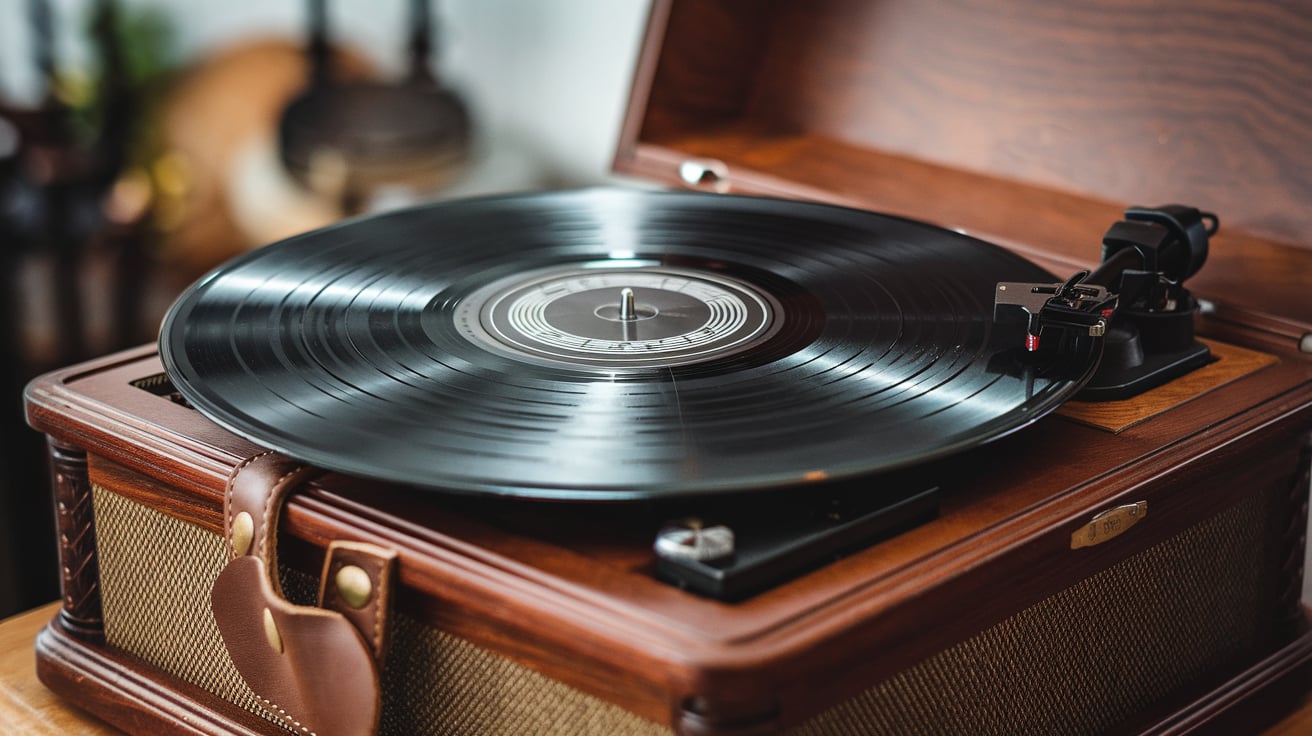
Empty studio. Mic stand alone, cables coiled like sleeping snakes, no echo of strings or drums—just silence, thick and defiant.
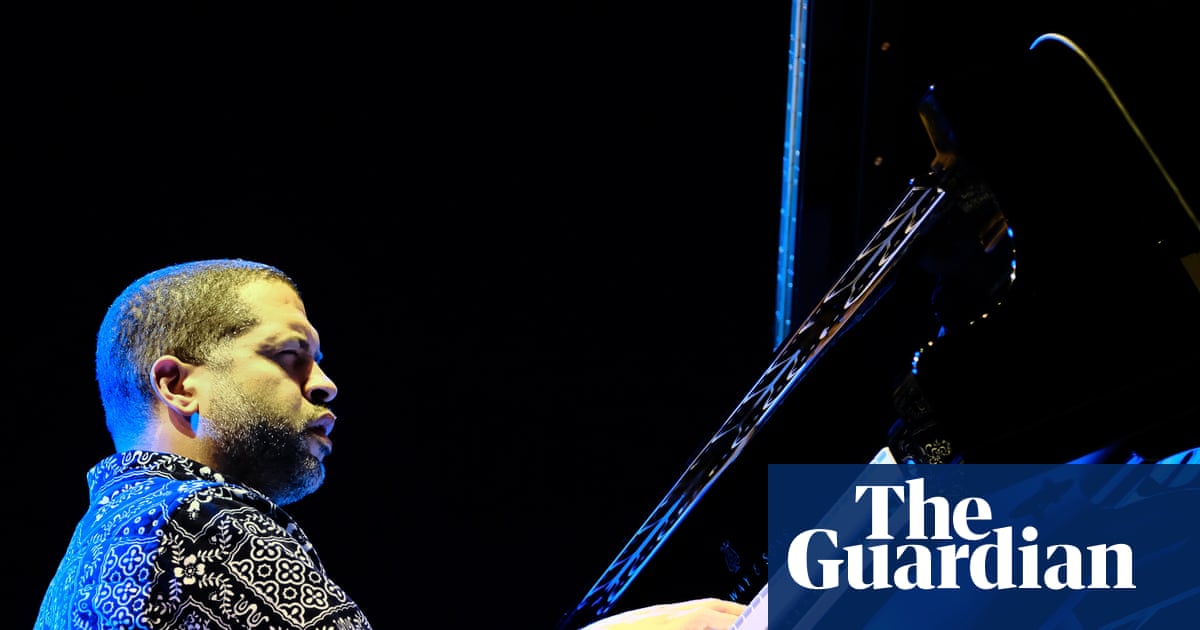
That’s the sound—make that the lack of sound—rippling across streaming platforms right now. Over 1,000 UK artists, from Kate Bush to Hans Zimmer, just unleashed ‘Is This What We Want?’, a 12-track silent album that’s less music, more megaphone. The track titles? They spell it out: ‘The British Government Must Not Legalise Music Theft To Benefit AI Companies.’ Boom.
And here’s the kicker—it’s not some fringe stunt. This drops on the final day of a government consultation (February 25, 2025) eyeing copyright tweaks that’d let AI firms hoover up music, art, text without paying a dime. Profits from streams? Straight to Help Musicians charity. Genius, right? Or desperate.
Why a Silent Album? The Ultimate Protest Hack
Silence. It’s weaponized. Think about it—like John Cage’s 4‘33”, but with pitchforks aimed at Westminster. These artists aren’t yelling; they’re letting the void do the talking, mimicking the creative desert they fear AI scraping will unleash. Empty spaces where gigs once thrummed, royalties dried up.
The website nails it:
“In late 2024, the UK government proposed changing copyright law to allow artificial intelligence companies to build their products using other people’s copyrighted work – music, artworks, text, and more – without a licence.”
Chilling. They’re saying: legalize this, and we’re ghosts.
Kate Bush tweeted the call to arms, rallying heavyweights. Annie Lennox. Zimmer, scoring blockbusters like Inception—now scoring silence against the machines.
But wait. Government’s clapping back. A Department for Science, Innovation and Technology spokesman told the BBC:
“The UK’s ‘current regime for copyright and AI is holding back the creative industries, media and AI sector from realizing their full potential – and that cannot continue’.
They’re pitching balance—AI devs thrive, creators get protected. Consulted everyone, they say. No decisions yet. Sounds fair. Or does it?
Is This Napster 2.0 for AI?
Hold on—I’ve seen this movie. Flashback to 1999: Napster hits, music industry freaks, sues the doors off it. Labels screamed theft; fans screamed access. Result? Streaming empires like Spotify, where artists get pennies but the pie’s massive.
AI’s the new Napster, but turbocharged. It’s not just copying files; it’s devouring souls of songs to spit out new ones. My hot take—the one nobody’s saying? This protest isn’t anti-AI; it’s the birth pangs of the next licensing gold rush. Imagine: AI-music royalties pooled like PROs (ASCAP, PRS), artists opting in for text-and-data mining fees. UK leads, sets global standard. Futurist heaven—creators funded, AI explodes.
Yet skepticism bites. Government’s spin feels oily—“holding back potential,” as if artists are the bottleneck. Nah. They’re the fuel. Without Kate Bush’s ethereal voice training the next Sora-for-music, what’s left? Bland bot ballads.
Look, AI’s a platform shift bigger than electricity—zapping creativity into overdrive. But theft? No. This silent scream forces the deal: license it, pay up, innovate wild.
What Happens if Copyright Crumbles?
Short term: chaos. Indies starve first—big names like Bush weather it, but bedroom producers? Poof. Streaming a silent track earns fractions; scale that to real hits cloned by AI.
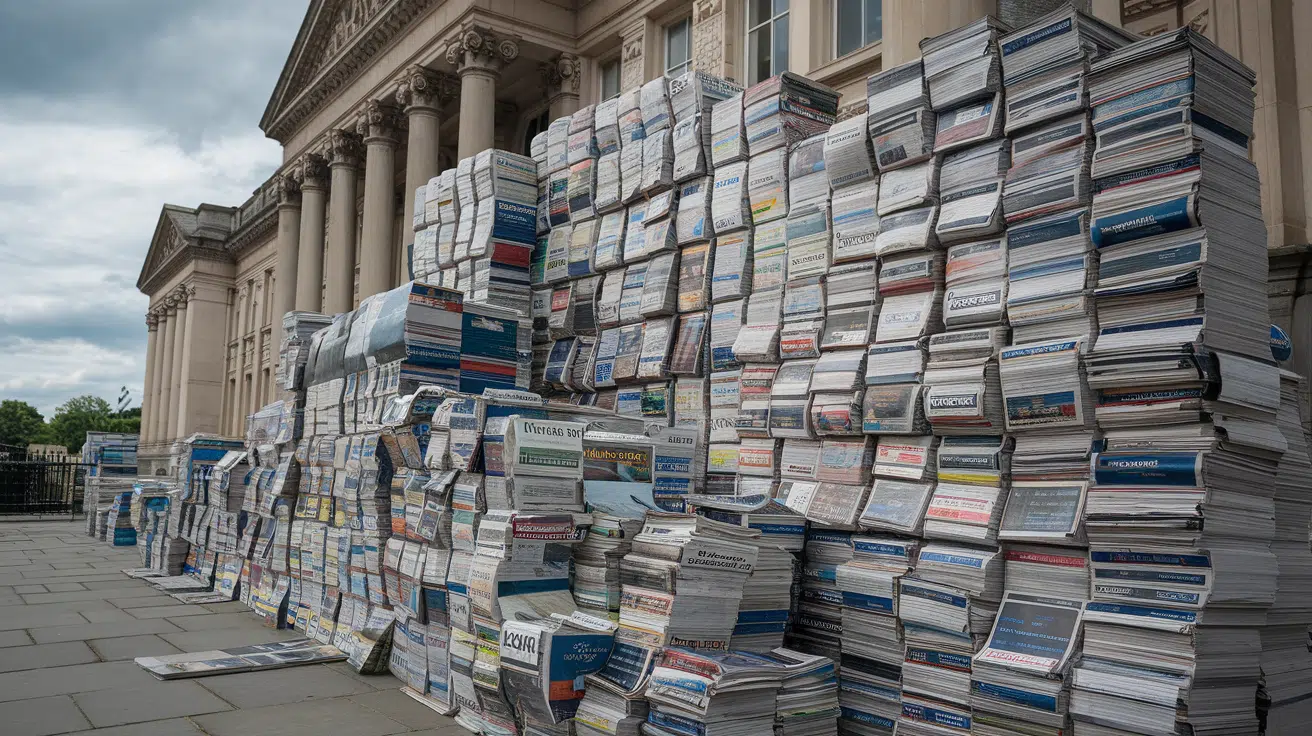
Long game? Adaptation. Artists pivot to live, NFTs, AI-collabs (Zimmer directing bot orchestras?). News pubs are piling on with ‘Make it Fair’—existential threat, they call it. Valid.
But here’s wonder: AI could amplify. Tools democratizing production—anyone composes symphonies. Protests like this? They sharpen the blade, ensuring humans wield it.
Government’s mum post-consult. Will silence sway? Or AI steamroll?
Energy’s electric. This isn’t Luddites vs. looms; it’s symphonists vs. scrapers. Bet on evolution—messy, loud (or silent), triumphant.
Why Does This Matter for AI’s Future?
Developers, ears up. UK ripples global—EU’s tight, US sues (NYT vs. OpenAI). Ignore creators? Lawsuits avalanche. Embrace? Fair use evolves to fair pay.
Bold prediction: by 2027, ‘AI royalties’ standard. Silent album sparks it.
Punchy truth—AI needs artists like lungs need air. Starve one, choke both.
And the wonder? Picture AI-Kate Bush duets, ethically born. That’s the future worth wanting.
**
🧬 Related Insights
- Read more: LLM Evaluation’s Dirty Secrets: Four Methods That Promise Smarts But Deliver Hype
- Read more: 2024’s AI Papers: Llama 3 Hype Train Derails into Iteration Hell
Frequently Asked Questions**
What is the UK artists’ silent album protesting?
It’s a stunt by 1,000+ musicians against proposed copyright changes letting AI companies use music without licenses.
Will UK change copyright laws for AI?
Consultation closed Feb 25, 2025—no decisions yet, but pressure’s mounting from artists and publishers.
How does AI use copyrighted music?
AI trains on vast datasets of songs to generate new music, mimicking styles without permission or pay.