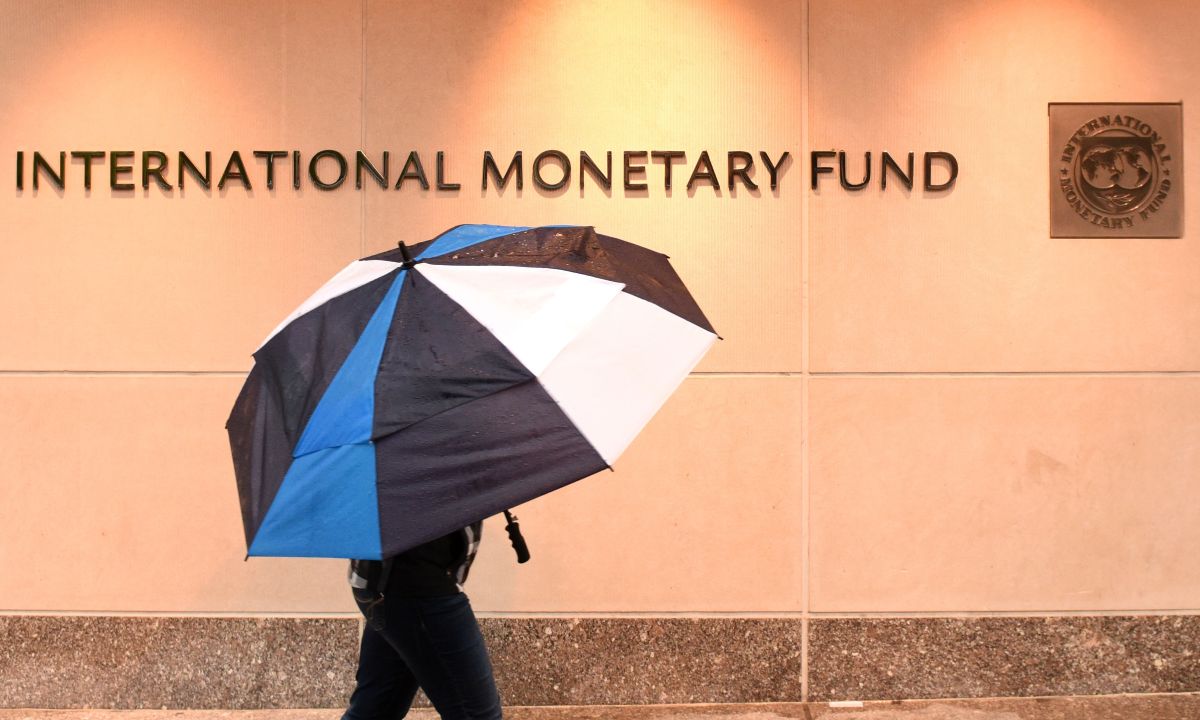
Rain hammers the windows of the IMF’s headquarters in Washington, D.C., while economists inside pore over charts showing tokenized trades zipping across blockchains at warp speed.
Tokenization. It’s the buzzword du jour in fintech, promising to zap settlement risks and drag finance into the blockchain age. But here’s the IMF slapping a big red warning label on it: this stuff introduces vulnerabilities that could turn a hiccup into a heart attack for the markets.
Tobias Adrian, the sharp-eyed IMF economist behind the report, nails it right out of the gate.
“From the financial stability perspective, tokenization presents a familiar trade-off in a new form. Atomic settlement and enhanced transparency reduce some traditional risks, but speed and automation introduce new vulnerabilities.”
He’s not wrong. We’ve heard this song before — remember the 2010 Flash Crash? Machines trading at light speed wiped out a trillion bucks in minutes. Now imagine that on steroids, with tokenized assets settling atomically, no humans in the loop to yank the plug.
Why Tokenization’s ‘Benefits’ Are a Double-Edged Sword
Sure, tokenization cuts settlement times from days to seconds, slashes collateral needs, embeds compliance right into the code. Sounds peachy. But Adrian doesn’t stop at the sunny side.
“Stress events are likely to unfold faster, leaving less time for discretionary intervention.”
And get this — it amps up concentration risks. One ledger to rule them all? Great until it glitches. Poof. Entire markets freeze because some shared blockchain becomes the single point of failure. It’s like replacing a dozen rickety bridges with one shiny superbridge — efficient, until a truck hits it.
Wall Street’s titans aren’t waiting for regulators to catch up. NYSE and Nasdaq, those old guards, are tokenizing securities like it’s 1999 all over again. Nasdaq just got the green light from U.S. regs to trade some in tokenized form, partnering with Talos for collateral management. NYSE’s teaming with Securitize to mint blockchain-native shares.
Michael Blaugrund from NYSE’s parent, Intercontinental Exchange, spins it glowingly in Bloomberg: new investor access, retail dipping into stablecoin pools. Yeah, right. Retail participation? That’s code for luring in the little guys while the house — these exchanges — pockets fees on the new rails.
But let’s cut the PR fluff. Who’s actually making money here? Not the regulators scrambling to keep up, that’s for sure. It’s the platforms, the ledger providers, the tokenizers like Securitize. They’ve got the tech stack locked down, turning public markets into their private playgrounds.
Will Tokenization Actually Break the Financial System?
Short answer: it could accelerate the breaking, not cause it outright. Think back to Long-Term Capital Management in ‘98 — genius quants, atomic-like use, one Russian default and boom, global contagion. Tokenization? Same playbook, faster execution. No T+2 buffers; it’s T+0, all automated.
The IMF pushes for anchors: safe settlement assets, legal finality, strong governance. Noble, but good luck enforcing that on decentralized ledgers run by who-knows-who. We’ve seen governance in crypto — FTX, anyone? One bad actor, and it’s game over.
My unique take, after two decades chasing Valley hype: this mirrors the high-frequency trading boom of the early 2000s. Everyone chased speed, ignored systemic risks, until regulators slapped on circuit breakers. Prediction? We’ll get tokenized circuit breakers by 2026, after the first big scare. But by then, a few winners (BlackRock tokenizing funds, maybe) will have cornered the market, leaving scraps for everyone else.
Nasdaq’s Talos tie-up? They’re hyping ‘structural barriers’ overcome. Translation: we’ve jury-rigged blockchain into your creaky risk systems. Works until volatility spikes and liquidity evaporates — then that ‘integration’ becomes a chokepoint.
NYSE’s evolution from trading floor to blockchain? Cute narrative. But it’s evolution for them — revolution for the rest of us footing the bill when it implodes.
Who’s Profiting While Regulators Sweat?
Follow the money, always. Tokenization isn’t democratizing finance; it’s consolidating power. Exchanges become super-nodes, custodians like Securitize mint the new gold standard. Retail gets ‘accessibility’ — read: exposure to 24/7 volatility without the old protections.
IMF’s right to worry. Atomic settlement means no do-overs in crises. Enhanced transparency? Only if the ledger’s public — and most institutional ones won’t be. Concentration? One ledger down, markets halt. We’ve traded bilateral slowness for systemic fragility.
Yet the momentum’s unstoppable. Regulators are playing whack-a-mole with crypto; tokenization’s the trojan horse slipping in the back door. Expect more partnerships, more pilots, more hype cycles.
But mark my words: the first tokenized crisis won’t be a bug; it’ll be a feature of this speed-obsessed design.
🧬 Related Insights
- Read more: Feedzai’s RiskFM: AI’s Bold Leap Against Evolving Financial Crime
- Read more: Narmi’s Secret Weapon: Fiaz Sindhu Steps In to Turbocharge Banking’s Future
Frequently Asked Questions
What are the main risks of tokenization according to the IMF? Tokenization speeds up crises with atomic settlements and automation, cuts intervention time, and heightens concentration risks from shared ledgers.
Is NYSE tokenizing stocks for real? Yes, NYSE partnered with Securitize for blockchain-native securities, aiming for new retail access via stablecoins.
Will tokenization replace traditional finance? Not soon — it adds vulnerabilities regulators must fix first, but exchanges like Nasdaq are pushing tokenized trading now.
