Picture this: 8:50 AM, a new hire flips on WARP, punches in for attendance, and dives into the AI briefing — no IT ticket, no frantic Slack ping.
That’s not a dream. It’s Kusunoki’s reality, the moment his AI organization — not just a system — clicks into gear.
Why Engineers Stop at Servers (And Regret It)
Servers hum. Models predict. Workflows automate. But then? Crickets. Or worse, chaos.
Kusunoki nails it early: most folks chase infrastructure, slapping together OpenAI APIs, private clouds like Nextcloud, remote access via Guacamole, even monitoring and backups by Part 4 of his free series. Solid stack. Impressive.
Yet infrastructure alone? It’s a house of cards in a stiff breeze. Real failures aren’t tech glitches — they’re human ones. No one knows the next step when the server hiccups, access flakes, or — god forbid — API keys leak.
He layers on the fixes. Runbooks for outages. Monthly checks. Annual key rotations. Backup verifies that actually work. No guessing. No decay.
And here’s the kicker most skip: a non-technical manual scripting daily behavior. “8:50 Turn WARP ON. 8:55 Press Start (attendance).” This isn’t dry docs — it’s behavior design, turning fragile memory into muscle memory.
A system that depends on a specific person is already broken.
Kusunoki’s words hit like a gut punch. Straight from his series, that line exposes the rot in 99% of DIY AI setups.
Why Do Most AI Setups Crumble Under Pressure?
Look, we’ve been here before. Remember the ’90s webmaster era? One sysadmin held the keys to the kingdom — until vacation, burnout, or layoff. Poof. Site down.
Fast-forward (sorry, can’t help it): AI amplifies this. Models evolve weekly, APIs shift, costs spike. But Kusunoki’s insight? Treat it like an organization, not a pet project.
Three pillars make it tick:
Infrastructure: The VPS, tools, self-hosted bits.
Governance: Zero Trust rules, AI assists-but-never-decides policy, data locks, audits.
Operations: Manuals anyone — yes, the intern — can follow. Policies that stick because they’re Notion pages, not buried GitHub MDs.
GitHub’s for code cowboys. Notion? That’s operator heaven. Employees scan colorful pages, not repo spelunking. Logic lives in pull requests; orgs thrive on checklists.
My unique angle — and yeah, Kusunoki doesn’t spell this out: it’s the Unix philosophy reborn for AI ops. Small, composable behaviors compound into autonomy. Like pipes and filters scaled to human teams. Bold prediction? In three years, solo founders shipping this way will outpace VC-fueled bloatware factories. Independence isn’t a feature; it’s the moat.
But here’s the corporate spin I’d call out if this were Big Tech PR: they peddle “enterprise AI platforms” as turnkey. Bull. Kusunoki proves open, free series beats glossy dashboards — because it hands power back to builders.
Short para punch: Systems survive creators. Period.
How Does Behavior Design Turn Chaos into Clockwork?
Without manuals, knowledge hoards in skulls. Errors loop eternally. Training? A black hole.
With ‘em? Onboarding shrinks to hours. Mistakes? Predictable, fixable. Kusunoki’s employee ops manual — daily rituals, email-to-task flows — enforces this.
He even drops ready Notion templates: runbooks, security policies, expansion blueprints tying in accounting APIs (freee, MF Cloud). Client portals. Compliance logs. Onboarding bots.
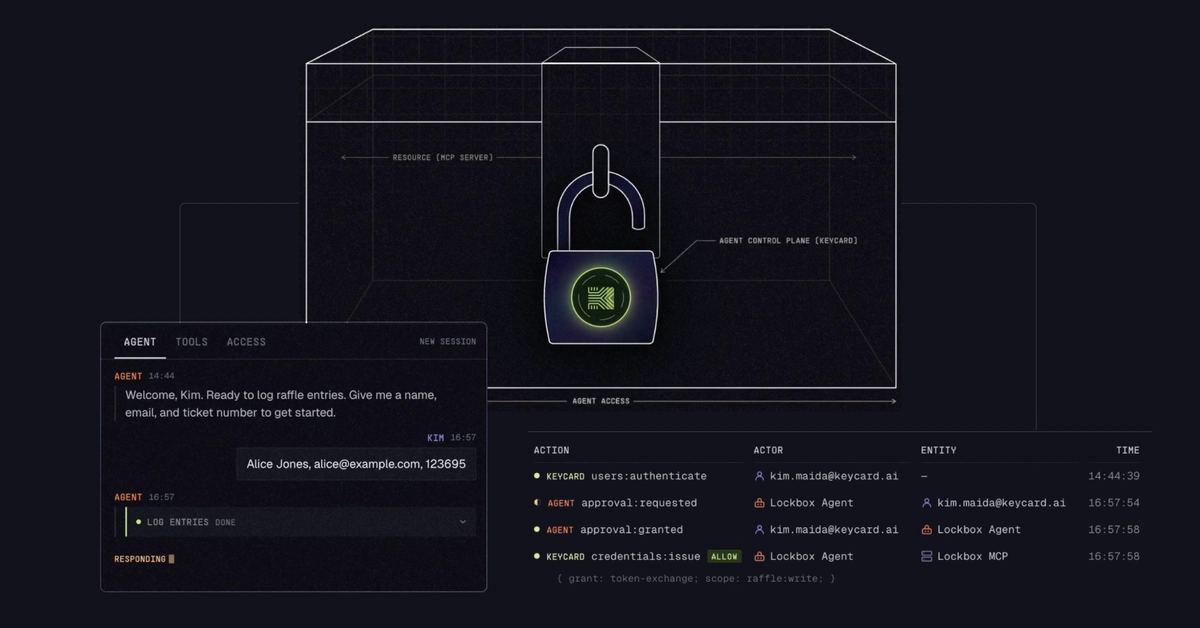
Policies bite deeper. Remote work governance: AI assists, never decides. Zero Trust everywhere. It’s not paranoia — it’s architecture. Enforce access with infra, behavior with rules.
Wander a sec: imagine scaling this to 50 souls. No heroics needed. That’s the shift — from artisanal hacks to industrial orgs.
And the why? Survival. Kusunoki built for independence, not ego. Servers were the excuse; freedom the goal.
Why Does This Matter for Indie Builders?
Anyone can stack tools. Few forge orgs that outlive them.
Kusunoki’s series — all open, no DevOps prereqs — flips the script. By end, you’ve got a self-contained beast: infra + auto + governance + humans.
Critique time: his GitHub vs. Notion riff? Spot-on, but underplayed. Devs fetishize repos; ops demand usability. Notion wins because it mirrors how teams actually work — visual, collaborative, alive.
Historical parallel I see (absent in original): like Ward Cunningham’s wiki birthing collaborative knowledge. Kusunoki’s Notion ops? Wiki 2.0 for AI eras.
This isn’t hype. It’s blueprint. Grab the templates, build your org. Watch it hum without you.
🧬 Related Insights
- Read more: Archinstall 2026: The Semi-Auto Savior for Arch Linux’s Infamous Install Ritual
- Read more: Torture’s Dark Forge: Gao Zhisheng’s Defiant Leap to Faith
Frequently Asked Questions
What does building an AI organization actually mean?
It means layering infrastructure, governance, operations manuals, and behavior design so the system runs independently — no single hero required.
How do you create self-sustaining AI infrastructure without DevOps expertise?
Follow Kusunoki’s free series: start with models and clouds, add runbooks, policies in Notion, and daily manuals. Verify backups, rotate keys — done.
Why use Notion over GitHub for operational systems?
GitHub suits code; Notion fits operators — easy scans, no repo dives, perfect for policies and runbooks teams actually read.