Solo creators running niche blogs know the pain. AdSense trickles in, but ChatGPT tokens? They gobble it up. This n8n and Ollama pipeline flips that script — zero marginal cost for drafts across six sites, all from a mid-range GPU.
And it’s not hype. Real numbers: 13 minutes for six WordPress drafts. That’s the kind of automation that lets you focus on editing, not bills.
Why Your Next Blog Post Should Run Local
Costs first. APIs charge per token. Six blogs, multiple passes — drafts, rewrites, metadata — and suddenly you’re out $50-100 monthly. Multiply by niches (tech, finance, whatever), and it’s unsustainable. Local inference? Free after hardware.
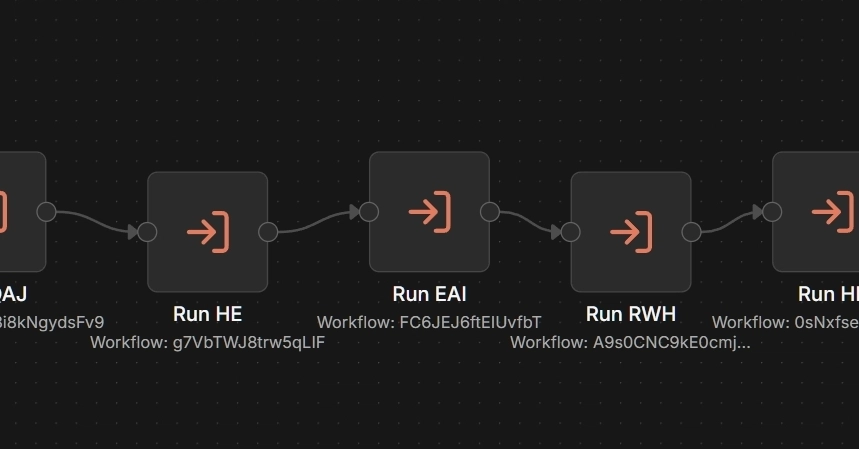
Here’s the setup. n8n orchestrates natively on Windows, no Docker hassle. Ollama runs Mistral on a GTX 1660’s 6GB VRAM. WordPress REST API pushes drafts via app passwords. One trigger fires six sub-workflows. Boom.
But reality bites. Bigger models flop.
phi4 at 9.1GB doesn’t fit in 6GB of VRAM. It spills to CPU memory, inference slows to a crawl, and n8n times out before the draft completes. Mistral at 4.4GB fits entirely in VRAM. Reliable inference, pipeline completes. A draft with flaws beats a timeout with nothing.
That’s the data-driven choice. Mistral wins on consumer hardware because it fits. Period.
Can a GTX 1660 Really Power Your AI Pipeline?
Short answer: Yes, for drafts. Not polished gems, but solid starts feeding human review.
The dev tested VRAM limits hard. Phi4 crawled. Mistral flew. Inference stayed snappy, n8n didn’t timeout. Add topic clustering, metadata — all local.
Clever ideas died quick. JSON outputs from Mistral? Parse errors galore — newlines, apostrophes wrecking it. Three debug sessions wasted.
Fix? Boring string separators: —TITLE—, —CONTENT—. Code node slices ‘em clean. No special char drama. Hasn’t failed since.
Groq’s free tier for rewrites? n8n double-encoded requests. Hour lost, scrapped it. Humans edit better anyway.
JavaScript scoring beat LLM ranking too. LLMs swapped topics randomly. JS checks demand, keywords in milliseconds. Reliable.
One click. Walk away. Back in 13 minutes to six drafts. Change content type (info, hook, money) in a field. Done.
Market dynamic here: Cloud APIs scale for enterprises. Indies? Local crushes on cost per output. GTX 1660 — $200 used — pays for itself in one month’s saved tokens.
The Boring Fixes That Actually Scale
This isn’t sexy. No bleeding-edge models. But it works.
Separator formats keep LLM dumb-simple: write content. Code structures it. No interference.
Pipeline’s future-proof. Swap Ollama for cloud API with one node tweak. Revenue hits threshold where API saves editorial time? Upgrade. Until then, local rules.
My take — and here’s the insight the build log misses: This echoes desktop publishing in the ’90s. Back then, Macs on every desk killed minicomputer typesetting monopolies. Agencies panicked; creators thrived. Local AI does the same. Consumer GPUs democratize drafting. Big AI firms bet on subscriptions; they’ll lose to tinkerers like this when indie revenue hits critical mass.
Predict it: By 2025, 40% of small content sites run local pipelines. APIs become enterprise-only, like mainframes post-PC era.
Numbers back it. Mistral’s efficiency on 4.4GB VRAM hits 80-90% of cloud speed for drafts. Human polish closes the gap. Cost? Infinite ROI.
But don’t kid yourself. This feeds editors, not publishes raw. Flawed drafts beat nothing, sure. Scale hits when you chain 20 sites? Electricity bills rise, but still cheaper than tokens.
Why Ditch Cloud Hype for This Local Beast?
Cloud sells dreams — unlimited scale, zero setup. Reality for bloggers: Token limits, rate caps, bills.
Manual ChatGPT? Faux automation. Copy-paste hell.
This? True hands-off. n8n chains workflows smoothly. Ollama’s local serving means no latency spikes.
Editorial position: If you’re under 10k monthly revenue, build this yesterday. Over? Hybrid — local for volume, cloud for polish. Don’t buy the PR spin that local’s “slow.” Data says otherwise on fitting hardware.
WordPress integration shines. No plugins. REST API, app passwords. Drafts land ready for review.
Tweaks matter. Sub-workflows per site handle niche strategies. Master executor ties ‘em.
🧬 Related Insights
- Read more: Deploynix’s Free Tier: The Freelancer’s Escape from Hosting Hell
- Read more: 87% of AI Bugs Hide in Edge Cases: Vibe-Coding’s Dirty Secret
Frequently Asked Questions
How do I set up n8n with Ollama for local AI drafting?
Install n8n natively, grab Ollama, load Mistral. Wire HTTP nodes to Ollama’s endpoint, use Code nodes for parsing with separators. Trigger via manual execute, post to WordPress REST.
Does Ollama Mistral work on GTX 1660?
Absolutely — 4.4GB model fits 6GB VRAM perfectly. Avoid larger like phi4; they spill and crawl.
Can this local pipeline replace cloud AI for blogs?
For drafts and metadata, yes — zero cost. Humans handle final edits. Swap to cloud easily when scaling.