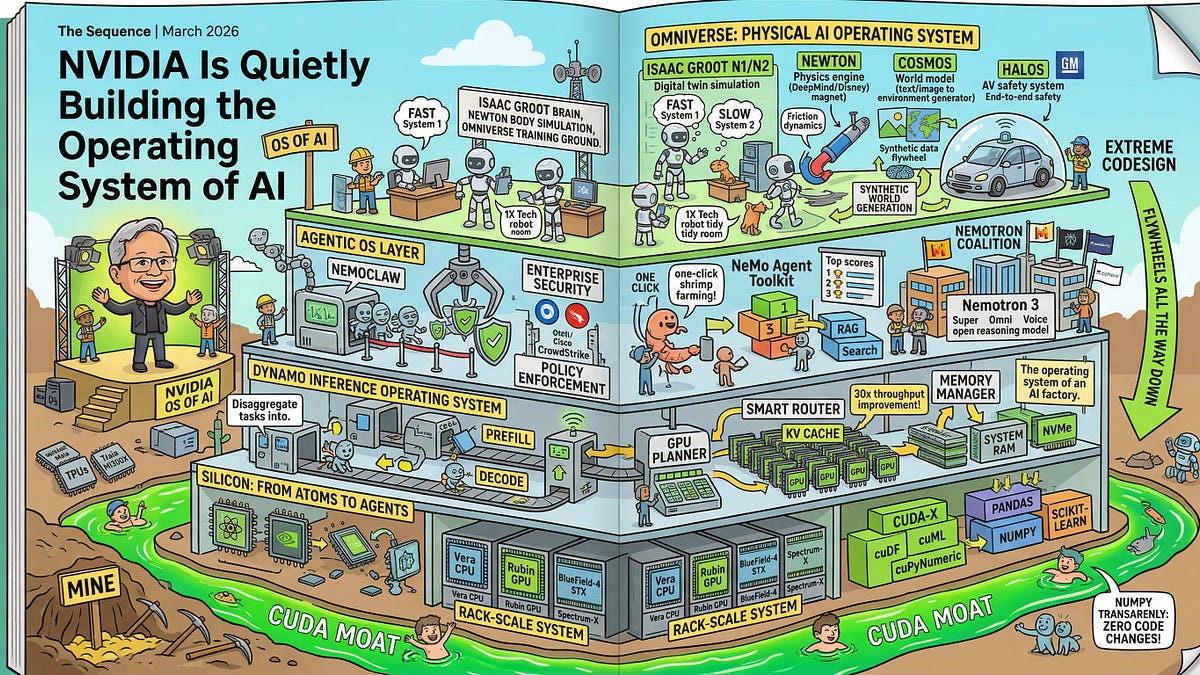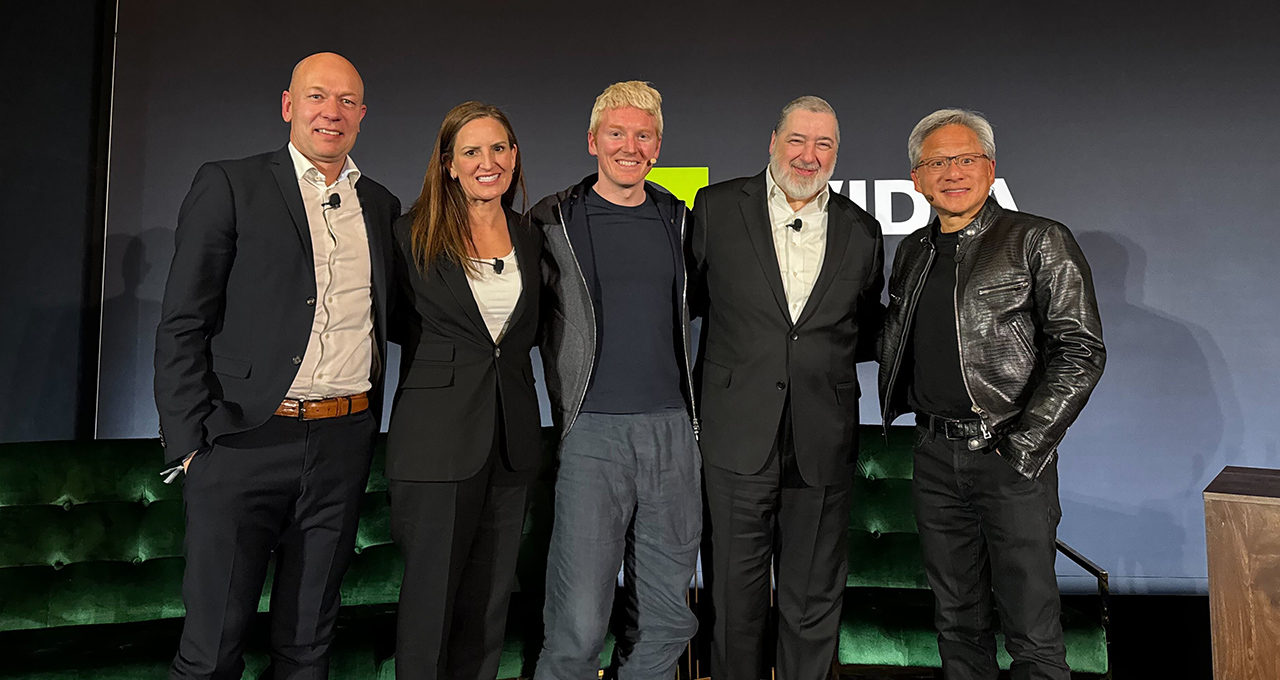
Jensen Huang leans into the mic, eyes gleaming under the San Francisco spotlight. “The future of AI is likely to involve a fair amount of thinking,” he declares, as the J.P. Morgan Healthcare Conference crowd nods along.
Zoom out. It’s the same script, folks — NVIDIA’s CEO rallying healthcare bigwigs about AI in healthcare, from genomics to patient bots, amid a worker shortage that’s supposedly gonna hit 10 million by decade’s end. Arc Institute, Mayo Clinic, Illumina, IQVIA: all announcing NVIDIA tie-ups. Drug discovery. Pathology AI. Agentic workflows. Sounds revolutionary. Or does it?
I’ve covered this beat for 20 years. Remember IBM Watson? The AI savior that’d cure cancer by 2017? Billions spent, hype through the roof, outcomes? Meh. Mostly rebranded data crunching. Now Huang’s peddling “agentic AI” — models that reason, plan, act. Cute. But who’s actually making money here? Spoiler: it’s the GPU kingpin, not your local doc.
NVIDIA’s Agentic AI: Thinking Machines or Fancy Autocomplete?
Huang’s riffing on NVIDIA Cosmos, their physical AI platform for robots predicting “next actions” like LLMs guess words. “Generating the next articulation could be common sense,” he says. Sure, Jen. We’ve heard this before — from self-driving cars to folding laundry bots. Progress? Incremental. Real-world deployment? Crickets.
But here’s the kicker, my unique twist nobody else is saying: this feels like the PC revolution redux. Back in the ’80s, hardware giants like Intel flooded verticals — manufacturing, finance — with chips, claiming software would transform everything. It did, sorta. But healthcare’s stickier. Regulations. Ethics. Human lives. NVIDIA’s not building hospitals; they’re selling H100s to cloud providers who’ll charge pharma arms and legs. Prediction: by 2026, NVIDIA’s healthcare revenue doubles, patient wait times? Barely budge.
Patrick Collison from Arc Institute chimes in first. Multiyear grants for bio moonshots, no grant-writing BS. They’ve got Evo, a model grokking DNA, RNA, proteins. Now NVIDIA-fueled foundation models for drugs, synthetic bio. Noble. But Collison admits: “A lot of the low-hanging fruit… we did.” Antibiotics, chemo — yesterday’s news. Today’s problems? Brutal. Fair. Yet, where’s the proof these models beat human intuition on novel diseases?
“We saw a paradigm shift in healthcare. You’re either going to disrupt from within or you’re going to be disrupted,” said Mayo Clinic’s Christina Zorn.
Zorn’s pushing NVIDIA tech on their massive pathology DB for cancer insights. Robots as “team members.” Bold. Mayo’s no slouch — they’ve got data. But paradigm shifts? Healthcare’s littered with ‘em. Epic’s EMR dominance ate billions before AI even whispered. Robots in ORs? We’ve trialed Da Vinci for years. Scalable? Doubt it, not with shortages in training, not tech.
Will AI Fix Healthcare’s 10 Million Worker Gap?
WHO says 10 million short. Agentic AI to streamline trials, narrow drug candidates. IQVIA’s Bousbib and Illumina’s Thaysen nod to multimodal ‘omics — DNA plus everything, needing massive compute. “It’s getting so complicated that we do need huge computing power and AI,” Thaysen says.
Complicated? Yeah. But AI’s black box. FDA gonna approve drugs from opaque models? Regs lag tech by years. And money: IQVIA’s got vast data troves — perfect for training custom models on NVIDIA iron. Who pays? Pharma giants, insurers. Clinicians? Still buried in charts.
Look, Huang’s charm offensive works. NVIDIA’s stock’s up 200% YTD. Partnerships announced: Arc for bio models, Mayo pathology, Illumina genomics, IQVIA agents. All NVIDIA-powered. Synergy! Except — cynicism alert — this is PR gold. Conference stage, no demos, just vibes. No metrics on ROI, no benchmarks beating status quo.
Strip the buzz. Foundation models eat data, spit predictions. Genomics? Sequencing’s cheaper, but interpretation’s the bottleneck — AI helps, sure. Drugs? AlphaFold nailed proteins; now scale to full molecules? Tricky. Pathology? Image AI flags slides fast, but false positives kill trust.
And robotics. Mayo’s “healthcare team members.” Huang’s Cosmos predicts robot moves. Neat for labs. Hospitals? Liability nightmares. Clean a bedpan? Maybe. Diagnose? Hell no.
Why Does NVIDIA Dominate This AI Healthcare Push?
Simple: hardware moat. Everyone needs their chips. Hyperscalers rent ‘em, orgs build on top. Healthcare’s data-rich, compute-poor. Perfect mark. But spin check: labor shortage ain’t just bodies — it’s burnout, admin bloat. AI agents? Could automate notes, scheduling. IQVIA’s workflows sound promising. Yet, Epic, Cerner own EMRs; they’ll integrate or sue.
Historical parallel: Theranos. Blood tests via chip. Hype city. Crashed. AI healthcare risks same — overpromise on foundation models without causal reasoning. Agentic AI’s early; today’s “reasoning” is chain-of-thought prompting. Fragile.
Bold call: NVIDIA wins big. $50B+ healthcare AI market by 2030, per analysts. They’ll claim lion’s share via CUDA lock-in. Patients? Incremental gains — faster trials mean quicker generics, maybe. Worker shortage? Robots augment, don’t replace. Real fix? Policy, wages, immigration. Not silicon.
Skeptical? Damn right. Valley loves healthcare as next frontier — regulated, captive, deep pockets. But after Watson, PathAI false starts, I’m waiting for Phase III trials on these claims.
🧬 Related Insights
- Read more: Automation’s Quiet Job Heist: AI Gets the Blame
- Read more: Google DeepMind Unleashes AI Arsenal on India’s Science Quest
Frequently Asked Questions
What partnerships did NVIDIA announce at J.P. Morgan Healthcare? NVIDIA teamed with Arc Institute (drug discovery), Mayo Clinic (pathology), Illumina (genomics), and IQVIA (agentic AI workflows).
Will AI solve the healthcare worker shortage? It’ll help streamline tasks, but experts say no — policy changes needed for 10M gap.
Is NVIDIA’s agentic AI ready for hospitals? Early days; good for research, unproven at scale for patient care.