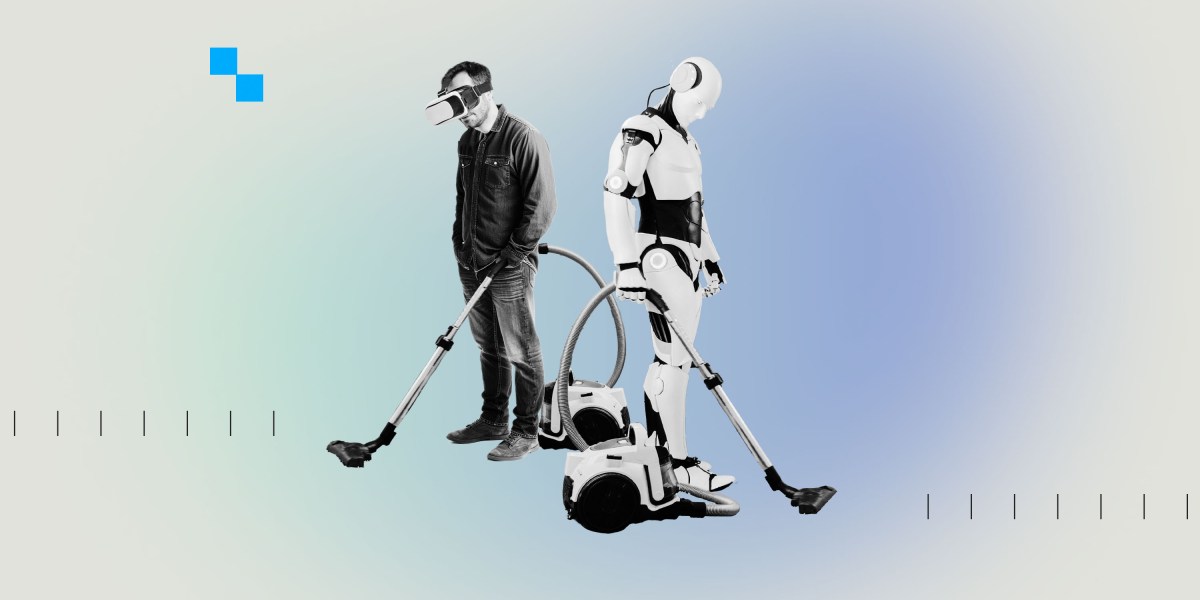
Zeus kills the hospital lights, stumbles into his shoebox studio in Nigeria’s hills, and straps an iPhone to his forehead like some deranged surgeon.
Gig workers training humanoid robots at home — that’s the grim hustle now bankrolling Tesla’s Optimus dreams and Figure AI’s factory fantasies.
Punchy, right? But look closer.
These aren’t coders tapping keyboards. No, thousands from India, Nigeria, Argentina — tech-hungry kids in busted economies — mount phones on heads, film themselves scrubbing pots, ironing shirts, stirring virtual stews. Micro1, Palo Alto’s data peddler, pays them $15 an hour. Decent scratch where Zeus chases doctor dreams amid 30% unemployment.
Yet he hates it. Bores him stiff.
Why Are Gig Workers Training Robots in Their Pantries?
Because robots suck at reality. Humanoids flop without it.
LLMs like ChatGPT slurped internet text to babble convincingly; now bots crave movement data — real hands grabbing mugs, not sim-glitch acrobatics. Investors dumped $6 billion into this in 2025 alone. Frenzy.
Micro1’s CEO Ali Ansari gloats: demand’s exploding, robotics firms shelling $100 million yearly on chore vids. Scale AI, Encord jumping in. DoorDash bribes drivers for kitchen clips. China’s got VR exosuit sweatshops.
Workers? Vetted by AI “Zara,” then weekly chore marathons: hands in frame, natural speed, vary it up. AI-human review. Annotate. Rinse, record, repeat.
Zeus found it via LinkedIn buzz. Thought it’d mark him for robot history.
Reality? Endless ironing in a studio too tight for variety. Arjun in Delhi brainstorms an hour for 15 minutes of tutelage footage.
“I really [do] not like it so much,” he says. “I’m the kind of person that requires … a technical job that requires me to think.”
Boom. There’s your human truth, pseudonym-protected because Micro1 muzzles them.
It’s a grind. Ring lights glare. Neighbors bang walls at 2 a.m. shoots. And the weirdness? Sleepwalker poses, sheet-draped beds, mimicking grandma’s shuffle so bots generalize.
But hey, boosts local wallets. Nigeria’s economy? Strained. This gig’s a lifeline — till it’s not.
Is This Privacy Time Bomb Ticking for Big Tech?
Here’s my hot take, absent from the original fluff: this reeks of 2010s content moderation hell — invisible gig armies fueling Facebook’s moderation machine, scarred psyches for pennies, zero protections. Now it’s physical data, your grandma’s apron folds immortalized. Historical parallel? Amazon Mechanical Turk’s data sweatshops birthed modern AI; those workers got nada but burnout.
Privacy? Thorny as hell.
Workers consent? Sorta. They sign up, film homes — but who owns that pan of sizzling onions forever? Sold to Tesla, Agility, whoever. Retrain models? Derivative data floods out.
Informed? Please. Zeus dreams of scalpels, not sleeves. No fine print on bots aping his exact grip in your kitchen someday.
GDPR? CCPA? Laughable. Videos from 50 countries, jurisdictions clashing like drunk uncles at Thanksgiving. One leak — your Delhi sink suds in a Beijing bot — and boom, identity theft fodder.
Prediction: First mega-suit drops 2027. EU slaps $500M fine on a sloppy humanoid hustler for consent roulette. Workers unionize via WhatsApp, demand residuals per bot deployment. Mark it.
Corporate spin? “Boosting economies!” Sure, like colonial cash crops juiced GDP while starving locals. Ansari’s $100M brag? That’s blood money from bored brows.
A typical shift: Wake. Brainstorm chores — can’t repeat yesterday’s socks. Setup lights. Strap phone. Mime slow-mo dishwash, hands locked in frame. Submit. Wait for AI thumbs-up or rejection ping. Payday? $15/hour, if approved.
Challenges stack. Tiny flats limit variety; Zeus irons eternally. Instructions evolve — faster! Slower! Messier! — chasing that perfect dataset elixir.
Ansari admits: infancy means guessing good data. Lots of variations for generalization. Fine. But workers bear the trial-error brunt.
China’s state centers? Exosuits, VR — sci-fi dystopia. Here? iPhone cyborgs in slums.
Who’s Really Winning This Chore War?
Not Zeus. Not Arjun.
Robotics race? Sure, Tesla’s Elon tweets bot videos weekly, stock pops. Figure AI demos warehouse wonders. Billions flow.
But ethics? Gig economy 2.0, physical edition. No benefits, no recourse, pseudonyms for press chats.
MIT Tech Review polls humanoids as 2026 breakthrough #11. Cute. Readers love shiny bots; forget the human mop-ups.
Skeptical me says: pause the race. Regulate data provenance now — watermark home vids, consent audits, worker equity shares. Or watch lawsuits avalanche.
It’s not progress if built on invisible drudgery.
Dry humor aside — robots learning to fold? We’ve enough unemployment without them stealing laundry gigs too.
🧬 Related Insights
- Read more: Geiger Legal’s $15.2M AI Verdict: Tactics Exposed
- Read more: Flock Safety’s ALPR Busts Phone-Wielding Rider, Igniting Mission Creep Alarms
Frequently Asked Questions
What do gig workers do to train humanoid robots?
They strap smartphones to their heads or rigs, film themselves doing household chores like folding laundry, washing dishes, or cooking — slowly, hands in view, for companies like Micro1 to sell the data.
How much do gig workers earn training robots at home?
Around $15 an hour through outfits like Micro1, solid pay in places like Nigeria or India, but repetitive and boring for skilled folks chasing better gigs.
Are privacy risks real for robot training videos?
Absolutely — home footage sold globally with shaky consent; potential for leaks, misuse in AI models, and looming lawsuits under GDPR or similar as data scales.