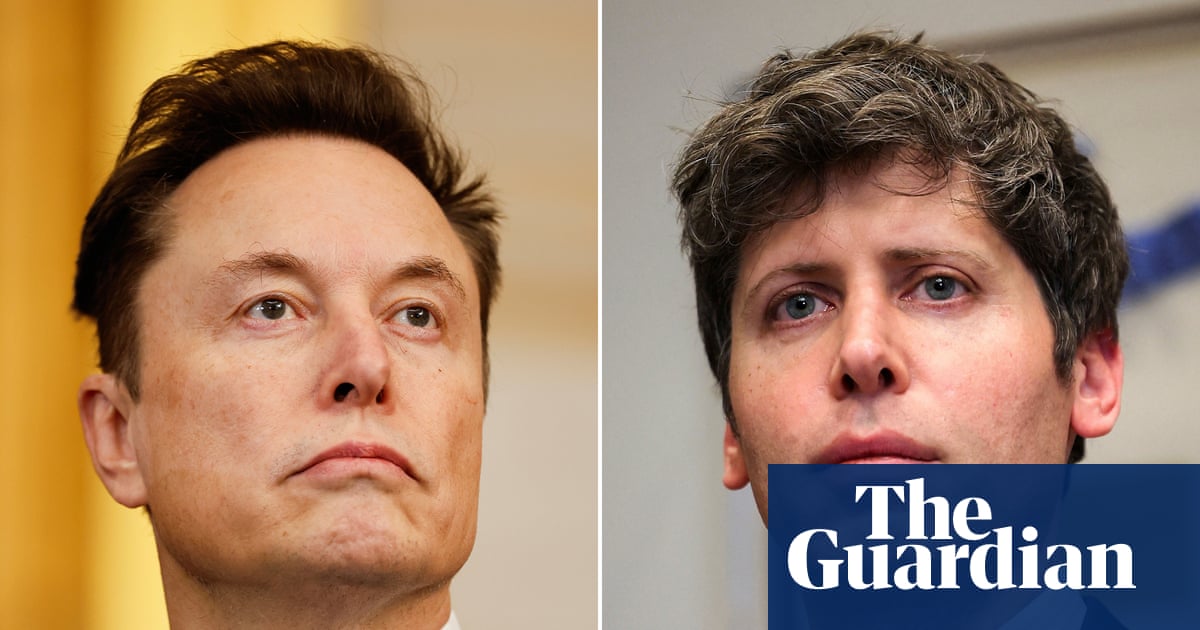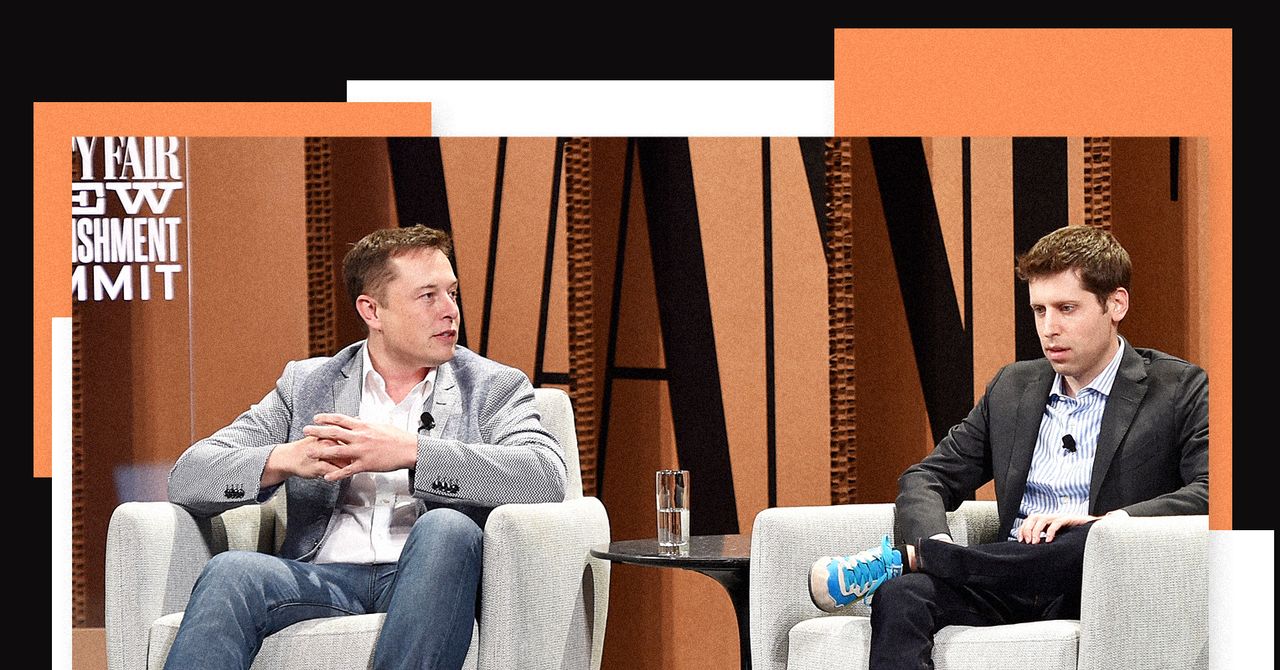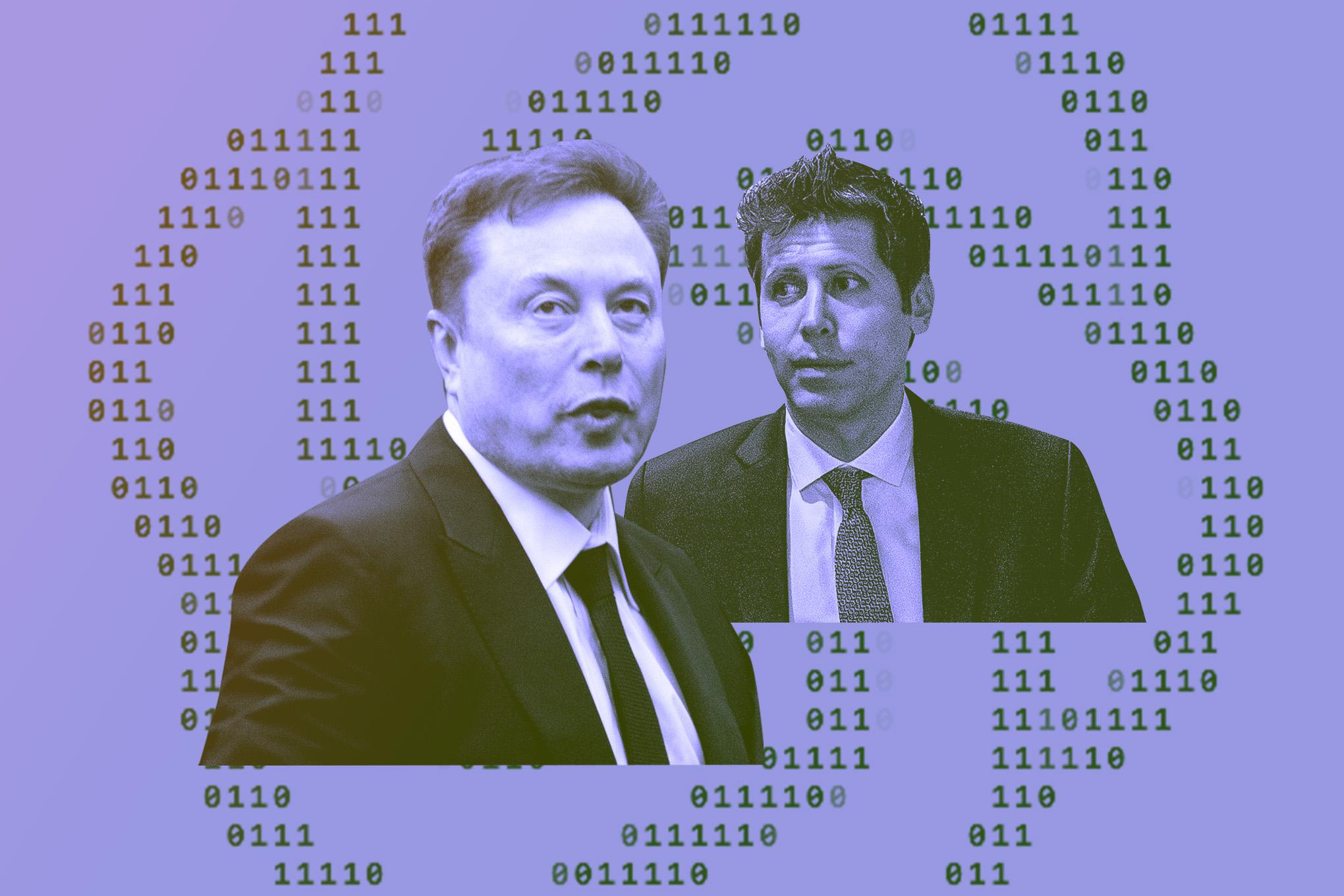
The starkly lit courtroom in Oakland fell silent as the jury foreperson delivered the news: Elon Musk’s claims against OpenAI CEO Sam Altman were, for the most part, dismissed. After just two hours of deliberation, the advisory jury found that key claims in Musk v. Altman were barred by the statute of limitations. This outcome, while not legally binding as the ultimate decision rests with Judge Yvonne Gonzalez Rogers, represents a significant — and likely influential — blow to Musk’s case.
The trial, which gripped Silicon Valley for three weeks, centered on Musk’s accusation that OpenAI had veered from its original nonprofit mission and that his substantial financial contributions had been misdirected. Musk alleged that Altman and OpenAI president Greg Brockman breached a charitable trust and unjustly enriched themselves at his expense, with Microsoft implicated for aiding and abetting. Both sides, in their pursuit of victory, painted a rather unflattering portrait of the other, leaving many observers questioning the credibility of both parties.
Was This Lawsuit Ever Going to Stick?
From the outset, the core of Musk’s argument rested on OpenAI’s purported betrayal of its founding charter. He contended that the initial agreement envisioned a non-profit entity dedicated to beneficial AI for humanity, a vision he felt was shattered by the company’s commercial ambitions and its deep partnership with Microsoft. The data, however, told a different story for the jury.
They found that Musk’s claim for breach of charitable trust was indeed time-barred. This means the window for legally pursuing that specific accusation had closed long before the lawsuit was filed. Consequently, the related claim that Microsoft aided and abetted such a breach also faltered. It’s a procedural win, yes, but one that cuts to the heart of Musk’s legal strategy.
What’s fascinating here is the sheer financial and reputational capital poured into this legal battle. For Musk, a figure synonymous with audacious ambition and a sharp public persona, this verdict is an undeniable setback. It begs the question: why pursue a case where the evidentiary hurdles, particularly concerning historical timelines and statutes of limitations, seemed so formidable?
The Advisory Jury’s Role: Influence, Not Authority
It’s vital to reiterate: this jury’s verdict is advisory. Judge Rogers has the final say. However, juries are often tasked with distilling complex information into a digestible format, and their findings can heavily sway judicial thinking. Her decision will be rooted in legal precedent and the evidence presented, but the jury’s consensus — especially one reached unanimously — carries considerable weight.
Musk’s initial investment in OpenAI was substantial, reportedly around $45 million. He envisioned a non-profit, open-source AI project. Yet, as the technology matured and its commercial potential became undeniable, OpenAI pivoted, embracing a capped-profit model and forging a powerful alliance with Microsoft, which has invested billions. Musk’s lawsuit sought to enforce what he saw as a sacred trust, arguing that the spirit of the original agreement had been violated to his detriment.
OpenAI, meanwhile, argued that its mission had always been to ensure AI benefits all humanity, and that the partnership with Microsoft was essential to achieving that goal at the scale and pace required. They painted Musk as an individual seeking to control or undermine a venture he no longer had dominion over, especially after his departure from the board in 2018.
Looking back, this case highlights a persistent tension in the AI world: the conflict between open, altruistic ideals and the immense commercial pressures and competitive dynamics that define cutting-edge technology development. Musk’s attempt to legally enforce a more idealistic past onto a rapidly commercializing present has, at least in the eyes of this jury, failed to gain traction.
The implications here extend beyond a courtroom drama. They touch upon the governance of powerful AI organizations and the enforceability of foundational agreements in the face of exponential technological advancement and market realities. For now, the data suggests Musk’s legal gamble hasn’t paid off.
What does this verdict mean for OpenAI’s future?
From a practical standpoint, this advisory verdict is a significant win for OpenAI and its leadership. It validates their current operational model and strengthens their defense against claims of malfeasance regarding their founding mission. While Judge Rogers will render the final judgment, a ruling influenced by a jury’s finding against Musk will likely allow OpenAI to move forward with greater confidence, unburdened by this specific legal threat.
Will this outcome deter future lawsuits of this nature?
Perhaps. Lawsuits are costly and consume significant resources. A clear rejection of Musk’s claims based on statutes of limitations and the interpretation of founding documents could make potential litigants more cautious about initiating similar legal challenges, especially if the core arguments hinge on historical agreements that might be superseded by intervening events or regulations. It underscores the importance of timely legal action and the evolving nature of technology companies.