The air in the federal courtroom felt thick with desperation this week. Not from the litigants, but from the sheer spectacle of it all.
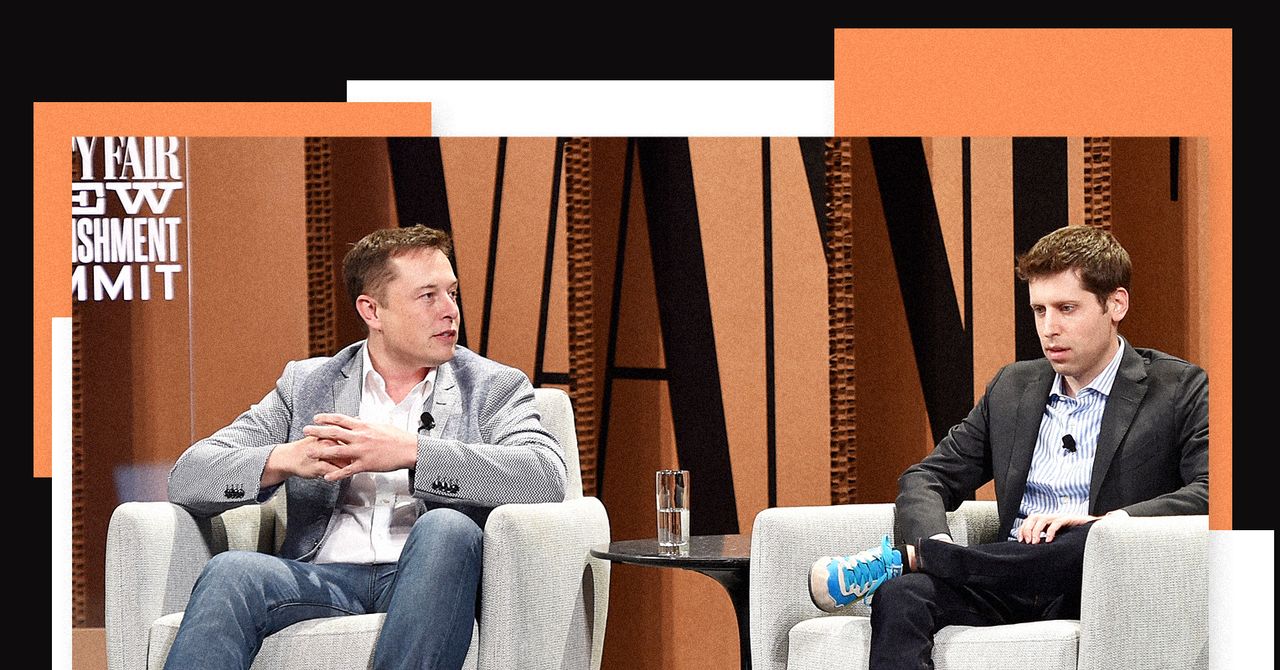
Elon Musk, the titan of industry and alleged AI disruptor, wanted Sam Altman to join Tesla. Years before the current brouhaha, back in 2017, he apparently offered the then-OpenAI CEO a cozy spot on the Tesla board. All this, according to emails and testimony gracing the ongoing Musk v. Altman trial.
And the timing? Right before Musk bailed on OpenAI’s board in early 2018. Coincidence? Please.
Musk’s central argument, for those who haven’t been living under a rock or plugged directly into Neuralink, is that Altman and Greg Brockman essentially hijacked a non-profit. He tossed in $38 million, and now it’s an $800 billion behemoth. He wants it back. Or, at least, he wants someone to blame.
OpenAI’s defense? Classic “sour grapes.” They’re painting Musk as a spurned suitor, desperate to regain control after his 2017 power grab failed. His current venture, a for-profit AI lab, certainly doesn’t look like an impartial bystander.
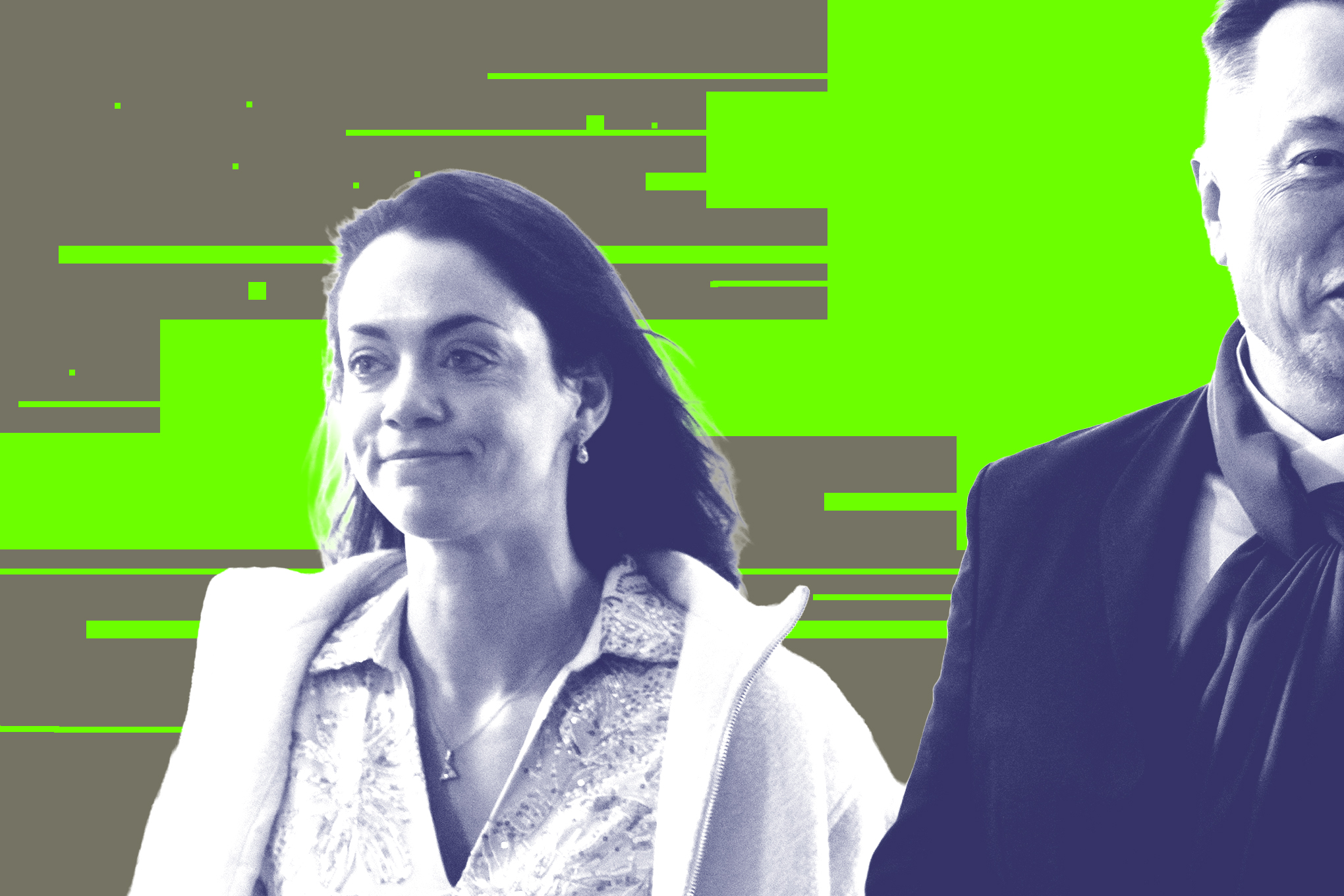
Shivon Zilis, former OpenAI advisor and, oh yeah, mother to four of Musk’s kids, has been a key witness. Her cross-examination dripped with implications. Lawyers waved emails, seeking to prove Zilis was privy to Musk’s alleged schemes to subvert OpenAI. She was, in essence, the messenger. The go-between. The one texting about B Corp subsidiaries.
“There was documentary evidence that, at several points, Mr. Musk had contemplated seeking to join Sam Altman to the board and offered that option,” said OpenAI lawyer William Savitt. “It was part of Mr. Musk’s effort to corrupt OpenAI and absorb it into Tesla … he was trying to get Altman to abandon the mission and be part of Tesla.”
This is where it gets good. An email from November 2017, drafted by Zilis, lays out Tesla’s grand AI ambitions. They wanted a lab to rival Google/DeepMind and FAIR. But there was a wrinkle. When people thought “Elon” and “AI,” they thought OpenAI. Awkward.
And then there’s Altman’s name, scrawled next to Musk’s on this FAQ draft, with two question marks. Two question marks! It’s hardly a ringing endorsement. It screams “maybe if we can strong-arm him.” The goal? A “forcing function” for Altman to commit to TeslaAI.
Did it happen? No. Altman stayed put. The lab never materialized. The NeurIPS event? Poof.
Did Tesla lure Andrej Karpathy? Apparently. Zilis testified Musk contacted him. Musk, however, told the jury Karpathy left OpenAI willingly. Zilis’ testimony? Not so much. It’s the kind of discrepancy that makes lawyers drool and judges frown.
Remember those 2017 texts? “Fuck yeahhhhhhh” when Karpathy signed. Followed by a smiley face when asked if OpenAI would be mad. Zilis’ reply: “good question,” but Greg Brockman was clueless. Apparently.
We knew Musk wanted to merge OpenAI with Tesla. This is new. Zilis’ email about co-founders not “internalized the advantages of burying this in Tesla for stealth advantage.” Stealth? For AI? It’s a “small fish in a big pond” hiding its technology. Sounds… less like innovation, more like corporate espionage. Or at least, a deeply awkward attempt at it.
Another February 2018 email from Zilis to Musk. Musk’s departure from OpenAI’s board: a watershed moment. Zilis outlines scenarios to counter Google DeepMind. One? Altman runs Tesla AI. Another? “Find a way to get Demis.” Seriously. Demis Hassabis, Google DeepMind’s chief. A man who, last I checked, enjoys his current gig.
This isn’t just about a past business deal gone sour. It’s about control. It’s about ego. And it’s about whether the law can untangle the messy web spun by tech’s most polarizing figures.
The whole saga feels less like a battle for the future of AI and more like a custody dispute over a very lucrative child. And the child, by the way, is rapidly outgrowing its parents.
Did Musk Really Want to Control OpenAI in 2017?
Based on the evidence presented in the Musk v. Altman trial, it certainly appears so. Emails and testimony suggest Musk was actively trying to recruit key OpenAI figures, including Sam Altman, to a nascent Tesla AI lab. The goal seemed to be absorbing or heavily influencing OpenAI’s direction, which Musk apparently felt was straying from its mission and becoming too beholden to Microsoft. The court documents paint a picture of a strategic effort to bring cutting-edge AI development under the Tesla umbrella.
Why is This Lawsuit Happening Now?
Elon Musk is suing OpenAI, alleging that Altman and Brockman turned a non-profit into a for-profit entity, betraying the original mission. Musk invested $38 million in OpenAI and claims they are now operating in violation of their founding agreement by prioritizing profit over safety and broad benefit. The lawsuit is an attempt to enforce the original charter and potentially reclaim his investment or influence the company’s direction.
How Does This Connect to Tesla?
The connection to Tesla is twofold. Firstly, Musk’s alleged attempts to recruit OpenAI talent to Tesla years ago are being used as evidence of his long-standing desire to control advanced AI development within his own company. Secondly, Musk himself has founded xAI, a competing AI company, which critics suggest is an attempt to replicate OpenAI’s success under his direct control, thus fueling the rivalry and the current legal battle.
What About Shivon Zilis’ Role?
Shivon Zilis, who has held roles at both OpenAI and Tesla and is the mother of four of Musk’s children, is a central figure in this trial. Her communications and testimony are being used to corroborate Musk’s claims of attempted recruitment and potential schemes to influence OpenAI. However, OpenAI’s legal team is also using her testimony to suggest she was aware of Musk’s plans and potentially complicit, or that her perspective is biased, aiming to undermine the narrative Musk is trying to build.
Is OpenAI Still a Nonprofit?
Technically, OpenAI operates under a capped-profit subsidiary structure. The original OpenAI Inc. is a non-profit, but it controls OpenAI LP, the for-profit arm responsible for most of its commercial operations and partnerships, including the one with Microsoft. Musk’s lawsuit argues this structure violates the original non-profit charter, as the capped-profit model allegedly prioritizes generating returns for investors over the founding mission of developing safe, beneficial AI for humanity.