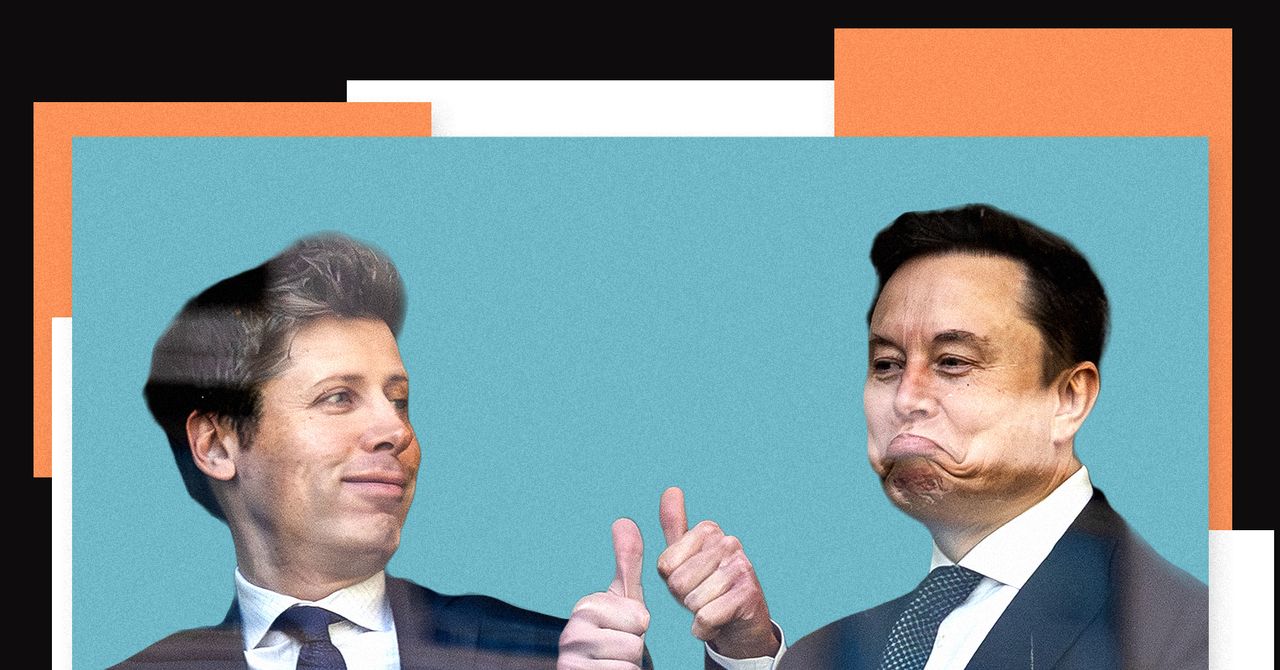
Oakland, CA – The courtroom air crackled with a different kind of static than usual on Monday. Not the hum of servers or the whisper of algorithms, but the sharp pronouncements of a jury dismissing Elon Musk’s blockbuster lawsuit against OpenAI.
It’s a defeat so thorough, it bypasses the entire spectacle of his accusations. The jury, after a mere two hours of deliberation, recommended that the case be tossed, citing the statutes of limitations. Judge Yvonne Gonzalez Rogers, bless her efficiency, immediately adopted it as her own ruling. Game over, before it even really began.
Musk, bless his dramatic flair, wanted to paint a picture of betrayal – a nonprofit vision warped by Microsoft’s cash and the ambition of Sam Altman and Greg Brockman. He envisioned a dramatic courtroom saga where he’d expose the alleged transformation of OpenAI from its humble, altruistic beginnings into a profit-driven behemoth. But the jury wasn’t interested in the ‘what’; they were fixated on the ‘when’.
Because the core of the case—Musk’s claims of breach of charitable trust and unjust enrichment—was never even reached. The statute of limitations expired long before Musk decided 2024 was the year to litigate. It’s like showing up to a race a year after the finish line, complaining about the course design.
No big speeches from Musk or his adversaries in the immediate aftermath. While the jury deliberated and the verdict was read, Musk was busy… well, who knows? He’s got a lot of plates spinning. OpenAI’s legal team, however, was characteristically blunt. William Savitt, an attorney for OpenAI, had called the whole affair a “gloriously” played out “pageant of hypocrisy.” Can’t argue with that.
What’s fascinating, and perhaps a bit embarrassing for OpenAI, is that even in victory, this trial has left a smudge. Details about Brockman’s wealth and Altman’s alleged past dealings surfaced. Both executives were pulled away from their crucial work—tens, maybe hundreds of hours—for depositions and courtroom appearances. Musk, by contrast, showed up for a meager three days before jetting off to China. Savitt even pointed out Musk’s absence as a surprise, a curious decision for someone who initiated the legal dust-up.
This whole thing was less about the future of AI and more about bruised egos and broken partnerships. Musk and Altman, once collaborators, now find themselves on opposite sides of a very public, very expensive spat. Musk’s last-minute settlement attempt? Ignored. It seems both sides were ready for a fight, but only one was ready for the right fight.
Who’s Actually Making Money Here?
Let’s be blunt. Musk isn’t making money off this lawsuit; he’s spent it. OpenAI and Microsoft, on the other hand, are in the business of building and selling AI. Their bottom line isn’t directly impacted by this legal skirmish, beyond the cost of defense and any reputational dampening. The real winners here are the lawyers, as always, and the tech journalists trying to make sense of the chaos. The public? We get more data points on the personalities driving this industry, which is, I suppose, a form of currency.
Did Musk Have a Point About OpenAI’s Mission Drift?
That’s the million-dollar question, isn’t it? Musk argued that OpenAI strayed from its founding as a nonprofit dedicated to benefiting humanity. He pointed to its increasingly commercial ties with Microsoft. The jury, however, didn’t get to weigh in on that philosophical debate because the legal mechanism—the timing—failed him. Whether there’s merit to his underlying claims is now a matter for public discourse, not judicial review, at least in this instance.
Musk spent much less time in the courtroom than the OpenAI executives, about three days before never returning again. He even flew to China for President Donald Trump’s state visit last week, though he technically could have been called to testify again on short notice. “I will say that it was a surprise to us to see that,” Savitt told the media last week. “Instead of being in the jurisdiction where he filed the lawsuit ready to come in front of the jurors who he has caused to be impaneled, [he] decided to get on Air Force One and go to China.”
**
🧬 Related Insights
- Read more: API Documentation Tools: Why Apidog Might End the Eternal Update Headache
- Read more: Cloud Seller Triages Rust Panic in 1,300-Star Smart Home Bridge — No Coding Required
Frequently Asked Questions**
What did Elon Musk sue OpenAI for?
Elon Musk sued OpenAI and its executives, alleging they breached their founding charitable trust and unjustly enriched themselves by transforming the nonprofit into a for-profit entity heavily partnered with Microsoft.
Why was Elon Musk’s lawsuit against OpenAI dismissed?
The lawsuit was dismissed because a jury found that Musk waited too long to file his claims, meaning the statute of limitations had expired before he brought the suit in 2024.
Will this decision affect the development of AI?
This decision primarily impacts the legal battle between Musk and OpenAI. It doesn’t directly halt or alter the technical development of AI by OpenAI or other companies, though it might influence public perception and future legal challenges regarding corporate mission drift in the AI sector.