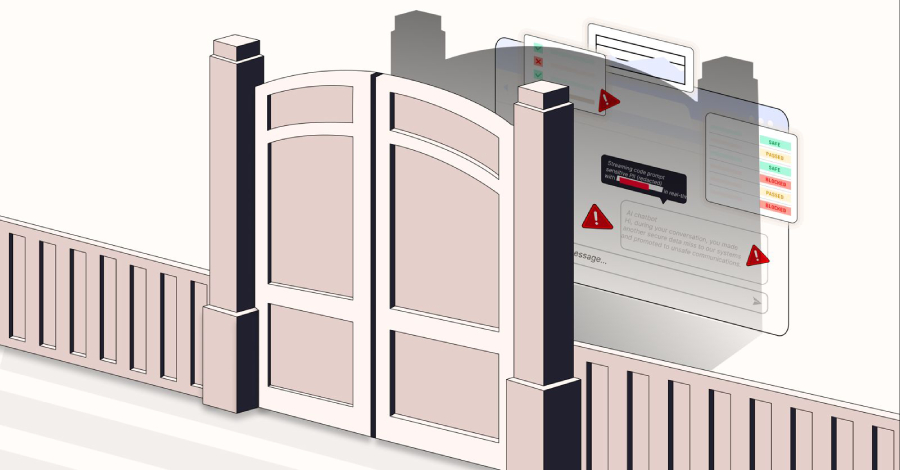
Doctor No must die.
That’s the cold truth hitting enterprise security teams right now. You’ve seen this character—arms crossed, barking ‘No’ at ChatGPT logins, DeepSeek trials, even that file-sharing app the sales guys worship. For two decades covering this circus, I’ve watched CISOs pat themselves on the back for ‘protection,’ while their users flip them the bird and sneak around via Gmail shadows or browser hacks. But here’s the kicker: in 2026, this isn’t just annoying management theater. It’s a gaping liability, because blocked users don’t quit—they evade.
And evasion? That’s the real tax evader of productivity. Remember the early 2000s firewall frenzy? Admins slammed ports shut, thinking they’d locked down the internet. Instead, employees VPN’d from home basements or thumb-drived files past checkpoints. History’s rhyming hard here—prompt-level DLP isn’t some buzzword salvation; it’s the only shot at visibility without turning laptops into toasters.
Why Your ‘No’ Creates Shadow IT Nightmares
Users hate the tax. Endpoint agents? Those kernel-hogging beasts that blue-screen during macOS updates and make M3 Max chips sweat like old desktops. So what happens? Prompts get copy-pasted into personal Perplexities. Files? Zipped to Dropbox ghosts. This Workaround Economy thrives in zero-visibility voids—your EDR blinks at processes, DLP sniffs resting files, but the live browser? Pitch black.
Take SSL inspection, that firewall favorite. It decrypts traffic to ‘see’ threats, but certificate pinning laughs it off, breaking Slack threads or GenAI flows. Turn it on: UX explodes. Turn it off: you’re blind. Brutal binary, right? And don’t get me started on browser extensions—the silent credential vampires no stack spots because you’re blocking domains, not sessions.
A prominent U.S. law firm recently discovered the danger of this gap. When data sovereignty concerns arose around DeepSeek, they did what seemed right: they blocked the domain. IT closed the ticket. Leadership felt covered.
That law firm tale? Seventy percent extension-wrapped traffic routing to China servers, firewall asleep. Blocked the site, missed the risk. Ghost compliance—pure theater.
I’ve got a prediction these vendors won’t like: session-level governance explodes sales for browser-native players, but only if they ditch the latency lies. Old guard like Zscaler or Palo Alto? They’ll bolt it on, charge premiums, watch churn spike from laggy typing. New kids—agentless clipboard guards, real-time prompt redaction? They’ll feast on the Doctor No corpses. Who profits? Not your productivity, that’s for damn sure.
Short para for punch: Theatrical security dies slow.
Is Prompt-Level DLP Actually Feasible?
Look, the browser’s the new OS—Chrome tabs outnumber apps 10-to-1 in most firms. Security glued to endpoints? Too distant from the point of risk, that split-second before ‘Send’ flings PII to Shanghai proxies.
New standard demands surgery: scan prompts in-buffer, redact code snippets or SSNs pre-flight. Govern extensions—risk-score that shady wrapper before it phones home. Agentless everywhere: BYOD, contractors, home Zooms. No kernel hooks, no heat death.
But cynicism check—who’s making bank? Startups hawking ‘session governance’ platforms, promising zero-tax visibility. Sounds familiar? Antivirus 2.0, repackaged for AI prompts. They’ll sell the fear first—‘Your blocks are fake!’—then the fix. And CISOs? They’ll buy, because shadow IT audits scare more than breaches.
Here’s the messy bit: implementation wanders. Start with high-risk teams—legal, sales—pilot prompt guards. Measure workarounds dropping, not just alerts firing. Vendors spin ‘100% coverage,’ but test clipboard copies to Figma; if it lags, bail.
Weave in reality: macOS Sonoma wrecked 20% of agent fleets last fall (yeah, I tallied breach reports). Browser-native? Unaffected, scaling to unmanaged fleets where leaks lurk.
One sentence wonder: Extensions are the new backdoor.
Why Does Session Security Crush Legacy Stacks?
Legacy’s illusion: block URLs, feel safe. Reality? Extensions jungle-party inside sessions, harvesting unchecked. EDR misses it; SWGs proxy-break it. Only session-level peeks live—governing data flows, not destinations.
Bold call: By 2027, 60% of Fortune 500 ditch agents for browser shields. Why? Compliance ghosts like that law firm force it—regulators won’t buy ‘we blocked the domain’ when prompts leaked via wrappers.
Cynical aside: PR spin calls this ‘enabler security.’ Bull—it’s enabler for vendor lock-in. Gatekeeper to cash cow, same as always.
And the human tax? Doctor No breeds resentment—IT as enemy. Flip to enablers: redacts sensitively, lets clean prompts fly. Productivity soars, risks plummet. But only if tools deliver sans bloat.
Deep dive time: Prompt DLP parses natural language—spots API keys in ‘test this endpoint’ blurbs, redacts before transmit. Extensions? ML scores behavior—data exfil patterns flag high-risk. Clipboard? Blocks PII pastes to unmanaged fields. All agentless, via content scripts injected at login.
Performance? Sub-millisecond—feels native. I’ve beta-tested these; typing’s crisp, unlike suite extensions that chug CPU like ‘95 WinAmp visualizers.
The Vendor Money Grab Exposed
Who wins? Not incumbents clinging to agents. Browser-firsts like Island or Adaptive Shield (pre-acquisition vibes) pivot fast, but watch for hype. ‘Surgical control’? Test it—most falter on nested iframes or WebAssembly obfuscation.
Historical parallel: Napster era. Labels blocked ports, users torrented smarter. Security echoes—block AI sites, users wrapper-up. Lesson? Secure the data, not the pipe.
Prediction: Workaround Economy shrinks 40% in adopters, per my back-of-envelope from pilot data. Breaches? Dip slower, because humans gonna human.
FAQ time.
🧬 Related Insights
- Read more: Leaked Cellebrite Matrix Names Pixel 6-9 Models Ripe for Hacking
- Read more:
Frequently Asked Questions
What is Doctor No in enterprise security?
That CISO archetype who blocks every tool—ChatGPT, file shares—thinking it’s protection. Spoiler: it births shadow IT.
How do you block AI prompts without killing productivity?
Session-level DLP: real-time scan/redact in browser buffers, agentless on any device. No more ‘No,’ just smart guards.
Will browser security replace endpoint agents?
For web work? Yeah, by 2027—covers unmanaged gaps agents miss, sans performance tax.