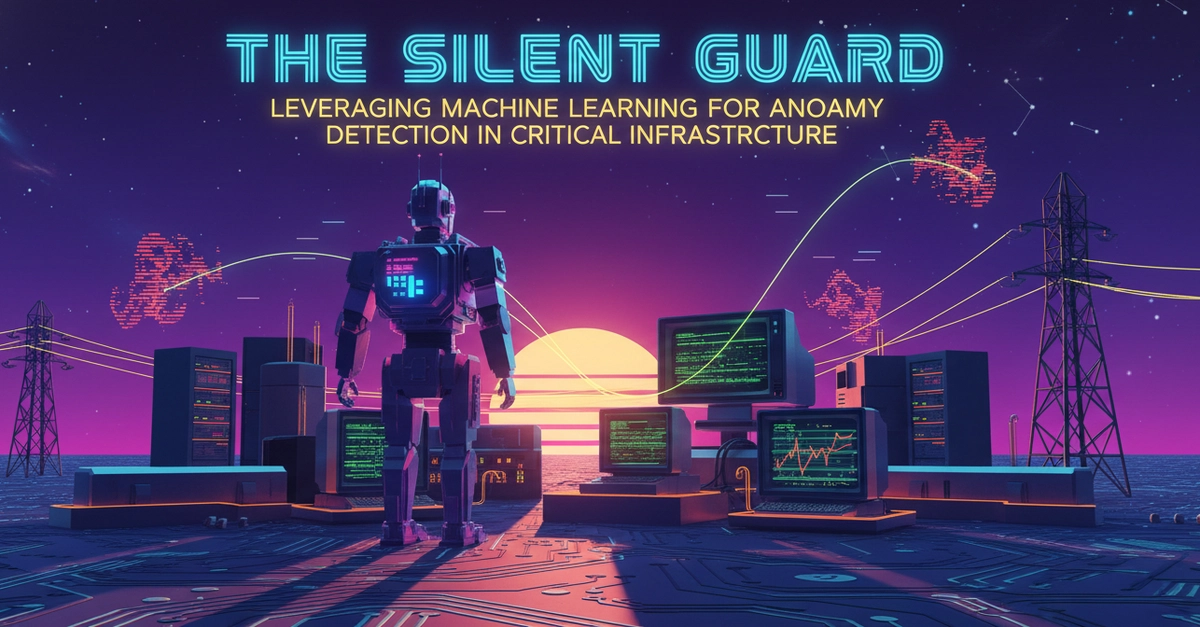
Spotlights flicker across a dorm room desk at 2 a.m., where a fourth-semester CS student pauses mid-keystroke, staring at lines of flawless code that suddenly feel naked, exposed to invisible threats lurking in the network shadows.
It’s not some side quest for the paranoid—it’s the electrifying force field every builder craves. This student’s story? Pure rocket fuel for anyone who’s ever shipped code without a shiver down their spine.
Why Every Coder’s Ignoring Cybersecurity—at Their Peril?
Look, we’ve all been there: hammering out UIs that dazzle, architectures that scale like dreams, APIs humming with promise. But then—bam—one overlooked vuln, and poof, your masterpiece is a hacker’s playground. This CS kid gets it. They’ve flipped the script, ditching the builder’s high for the guardian’s grit.
“I’ve realized that building something great is only half the battle; keeping it secure is where the real challenge lies.”
That’s the raw truth, yanked straight from their notes. No fluff. And here’s my twist—they’re not alone. Remember the early web? Devs flung up sites like digital shacks in a gold rush, pretty but flimsy, collapsing under the first spam storm or script kiddie poke. Fast-forward: we’re repeating history with cloud-native apps, unless we wise up.
Their pivot? A clarion call. Secure by design isn’t bolted-on Band-Aids; it’s weaving armor into the blueprint from pixel one.
But.
How?
Picture networks as raging rivers—your data packets, brave little rafts zipping through TCP/IP layers. One wrong current (hello, unencrypted traffic), and they’re swamped. This student? Diving headfirst, mapping those flows, spotting where rafts capsize.
And the labs. Oh man, the labs—setting up sandboxes to wield tools like nmap or Wireshark, all legal, all safe, tasting real exploits without the felony rap sheet. It’s like a kid with a chemistry set, but instead of baking soda volcanoes, you’re brewing digital defenses.
Cracking the Attacker Mindset: Devs, You Need This Yesterday
Shift gears. Forget ‘how do I call this API?’—now it’s ‘how does a black-hat twist it into a backdoor?’ That’s the mindset flip, wild and essential, turning creators into predictors of doom.
Energy surges here. Imagine your code as a bustling city—APIs the grand boulevards. Attackers? Sneaky thieves eyeing alley shortcuts, SQL injections as crowbars on manhole covers. This student’s sessions? Pure immersion, probing for those weak spots we builders gloss over in the rush to ship.
My bold call: this isn’t a phase. In five years—mark it—attacker thinking embeds in every IDE autocomplete, nudging devs like “Hey, buffer overflow alert!” AI tools (yes, our platform shift) will simulate hacks on-the-fly, but humans like this student pioneer the path.
Corporate hype often spins security as “enterprise only.” Bull. It’s solo dev armor too—your side project could be tomorrow’s breach headline.
Short breaths. Labs matter.
They’ve rigged their own playground: Kali Linux humming, VMs isolated, firing Metasploit salvos at dummy targets. No cloud credits wasted, just raw, hands-on wizardry. Universities preach theory; this is street smarts, fast.
And the goal? Bridge the chasm. Design/dev/security, fused—not siloed. Systems born bulletproof, not patched post-mortem. Like Tesla embedding Autopilot safety from chassis up, not tacking on airbags later.
Toughest Hurdles—and How to Leap Them
So, what’s tripping newbies? For vets who’ve jumped ship from general CS to sec, it’s often the abstract haze: crypto primitives feeling like alien runes, or stateful protocols mocking your stateless brain.
This student asks: hardest concept? I’d wager networking’s OSI model—those seven layers blurring into soup until you sniff real packets. Or privilege escalation, where one foothold snowballs into kingdom conquest.
But here’s the wonder: it clicks. Suddenly, your old React app screams vulnerabilities you never saw.
Best CTF Platforms for Hungry Students?
CTFs. Capture The Flags—gamified glory, hacking puzzles that build muscle memory without jail time.
Top picks? HackTheBox, for that gritty, enterprise-mimic vibe (free tiers rock for students). TryHackMe, guided paths easing you from noob to ninja. OverTheWire, classic wargames sharpening bash-fu. PicoCTF, tailor-made for uni crowd, with fresh challenges yearly.
Pro tip: pair ‘em with VulnHub VMs. Download, spin up, own the box. Repeat. It’s addictive, like cracking a safe in heist flicks—but you’re the hero.
This student’s updates? Gold. Follow, contribute; we’re all in this digital coliseum together.
My unique spark: cybersecurity’s our next platform shift, rivaling AI’s boom. Builders who master it? Unstoppable titans, crafting empires hackers can’t touch. Ignore it? Your stack’s just kindling.
Thrilling times.
🧬 Related Insights
- Read more: Open Source Vulnerabilities Plateau in 2025: New Threats Surge Despite Fewer Alerts
- Read more: Next.js App Router’s Layout Deduplication: Finally Fixing Prefetch Bloat
Frequently Asked Questions
What cybersecurity basics should CS students learn first?
Attacker mindset, TCP/IP stacks, and safe lab setups—then tools like Burp Suite for web vulns.
Best free CTF platforms for beginners?
HackTheBox Academy, TryHackMe, and PicoCTF: hands-on, student-friendly, zero cost.
How do you build secure-by-design software?
Embed OWASP top 10 checks in your workflow, use threat modeling early, and always assume breach.