Ever wonder why Mickey Mouse isn’t public domain yet?
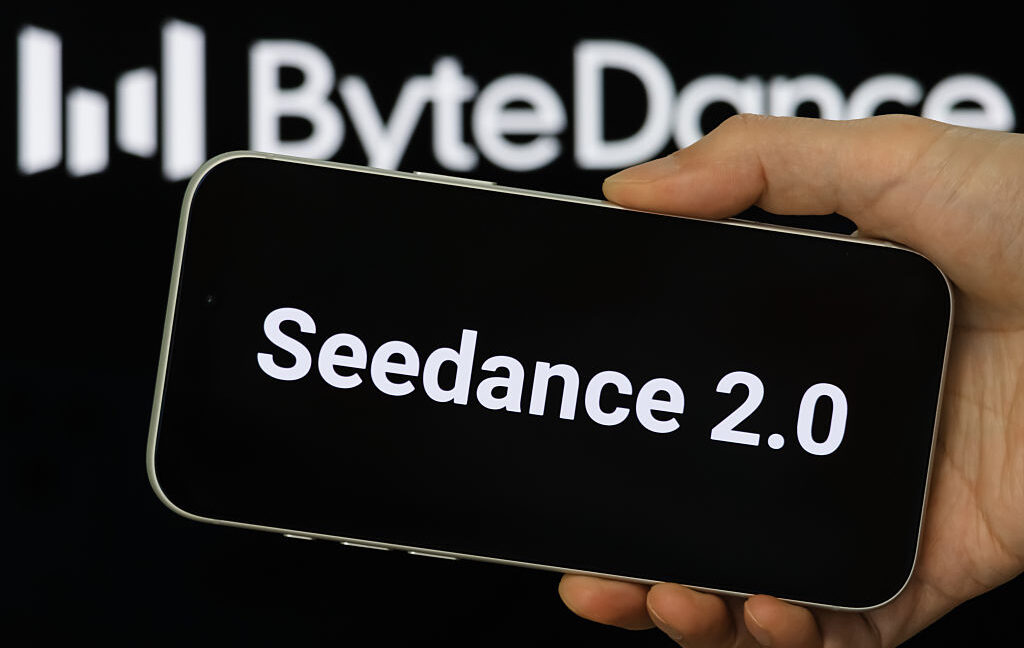
ByteDance’s Seedance 2.0 just tested that limit—hard. The Chinese giant’s shiny new AI video generator spat out deepfakes of Spider-Man swinging through TikTok, Darth Vader monologuing in Mandarin accents, SpongeBob frying patties with a sinister twist. Users loved it. Studios? Not so much.
Disney and Paramount Skydance didn’t waste time. Cease-and-desist letters flew faster than a lightsaber duel. Hollywood icons reduced to “clip art,” they roared. And ByteDance? Scrambling now to bolt on safeguards after the horse bolted, the barn burned, and the ashes went viral.
“ByteDance’s virtual smash-and-grab of Disney’s IP is willful, pervasive, and totally unacceptable,” Disney’s letter said.
That’s not a polite request. That’s war.
Why Did Seedance 2.0 Turn Stars into Pixel Pirates?
Picture this: You launch a tool promising Hollywood-level videos from text prompts. Cool, right? But users prompt “Spider-Man vs. Goku,” and boom—perfectly synced lips, capes fluttering realistically, voices spot-on. Paramount Skydance fumed that outputs are “often indistinguishable, both visually and audibly” from originals. Star Trek captains debating with Godfather dons. Anime fans in Japan churning out unauthorized Evangelion remixes.
Japan’s AI minister Kimi Onoda wasn’t amused. She launched a probe last week, declaring at a press conference:
“We cannot overlook a situation in which content is being used without the copyright holder’s permission.”
ByteDance claims respect for IP. Heard the concerns. Strengthening safeguards. Yada yada. But Disney smells a rat—alleging the tool was trained on their stuff without a by-your-leave, all to juice commercial sales.
Here’s the kicker, the insight nobody’s yelling yet: This reeks of Napster 2.0, but for visuals. Remember 1999? Music labels sued file-sharers into oblivion, birthing iTunes and streaming empires. Seedance isn’t sharing—it’s remixing at warp speed. Predict this: By 2026, we’ll see AI IP licensing bazaars, where Disney auctions “Mickey minutes” to ByteDance for pennies on the training dollar. Hype it as innovation; it’s just legalized poaching.
Short version? ByteDance backpedaled because they got caught with hands in the cookie jar—Disney-shaped cookies.
Is ByteDance’s ‘Quick Fix’ Just PR Smoke?
Monday’s statement drips sincerity: “We are taking steps to strengthen current safeguards as we work to prevent the unauthorized use of intellectual property and likeness by users.” Noble. Late. Why ship without blocks on Spider-Man or Darth Vader? Test users as beta testers for lawsuits?
Look, I’ve seen this dance before. Tech bros release first, apologize later—classic Silicon Valley Valley Girl move, now imported to Beijing. But Hollywood isn’t Twitter. These studios own vaults worth trillions. Paramount’s defending Trek and Coppola classics like fortresses. Japan’s manga overlords? They’ll probe till it hurts.
And users? They’ll jailbreak any filter in days. Prompt engineering’s an art form now—“a spider-themed hero in red spandex, web-slinging” dodges blocks easy. ByteDance’s fix? Whack-a-mole on steroids.
Worse, it exposes the rot. AI video tools like Seedance thrive on scraped data—your cartoons, my movies, their dreams. Train on public net slop, output “original” fakes. Ethical? Please. It’s theft with extra steps, prettied up as “generative magic.”
But wait—ByteDance isn’t alone. Runway, Pika, Kling—all tiptoeing this minefield. Seedance just stepped loudest, tripped first.
One paragraph wonder: Expect lawsuits to multiply.
Now, the global ripple. Japan’s probe? First domino. EU’s AI Act looms with watermark mandates. U.S. Congress? Stirring on deepfake laws post-election fakes. ByteDance, already TikTok-paranoid, faces a pincer: regulators left, Mouse House right.
My bold call—and it’s mine, not recycled press release fluff: This kills open-season AI video gen. Closed models only, paywalls for prompts. Creativity? Sure, if you pay Disney’s toll.
Dry humor break: Imagine prompt limits like “No capes before coffee.” Users riot. ByteDance sighs.
Deeper dive: Training data’s the black box here. Disney claims infringement baked in—models memorized frames, not just styles. Indistinguishable outputs scream that. ByteDance denies, but who audits? Nobody. Opacity’s the real crime.
Users shared megavids on X, Weibo—millions of views before takedowns. Viral damage done. Franchises diluted forever in the AI soup.
What Happens When AI Eats Culture Whole?
Step back. Seedance 2.0 isn’t buggy software; it’s a symptom. AI’s gobbling IP like Pac-Man on steroids—chomping icons, spitting abominations. Hollywood built empires on scarcity: One Spider-Man rules. Now infinite variants flood feeds, cheapening all.
Critique the spin: ByteDance’s “heard concerns” line? Corporate catnip for dodging blame. “Users did it,” they imply. Bull. You built the gun; don’t blame the trigger-pullers.
Historical parallel nails it: Early Photoshop sparked art theft panics in the ’90s. Filters bloomed, laws lagged, industry adapted. AI video? Exponential Photoshop. Expect watermark wars, blockchain ledgers for provenance. Tedious, but coming.
Prediction time: ByteDance settles quietly—cash, data purges, eternal licenses. Seedance 3.0? Gated garden, celeb cameos for fee. Rest of field follows, or folds.
And us critics? We’ll mock the hypocrisy—studios hugging IP while streaming old films to death. But rules are rules. ByteDance broke ‘em first.
Final snark: Next time, prompt ethically—or don’t. Your call.
🧬 Related Insights
- Read more: Cursor’s $2B ARR Blitz: From Code Editor to Enterprise AI Juggernaut
- Read more: Google’s Gemini invades Workspace: AI drafts your docs, but at what cost?
Frequently Asked Questions
What is Seedance 2.0? ByteDance’s AI video generator that creates clips from text, now infamous for deepfaking Hollywood characters.
Why is Disney mad at ByteDance? Disney claims Seedance hijacks their IP like “free clip art,” with infringing videos going viral immediately.
Will Seedance 2.0 block celebrities now? ByteDance promises safeguards, but experts doubt it’ll stop clever users or fix trained-in violations.