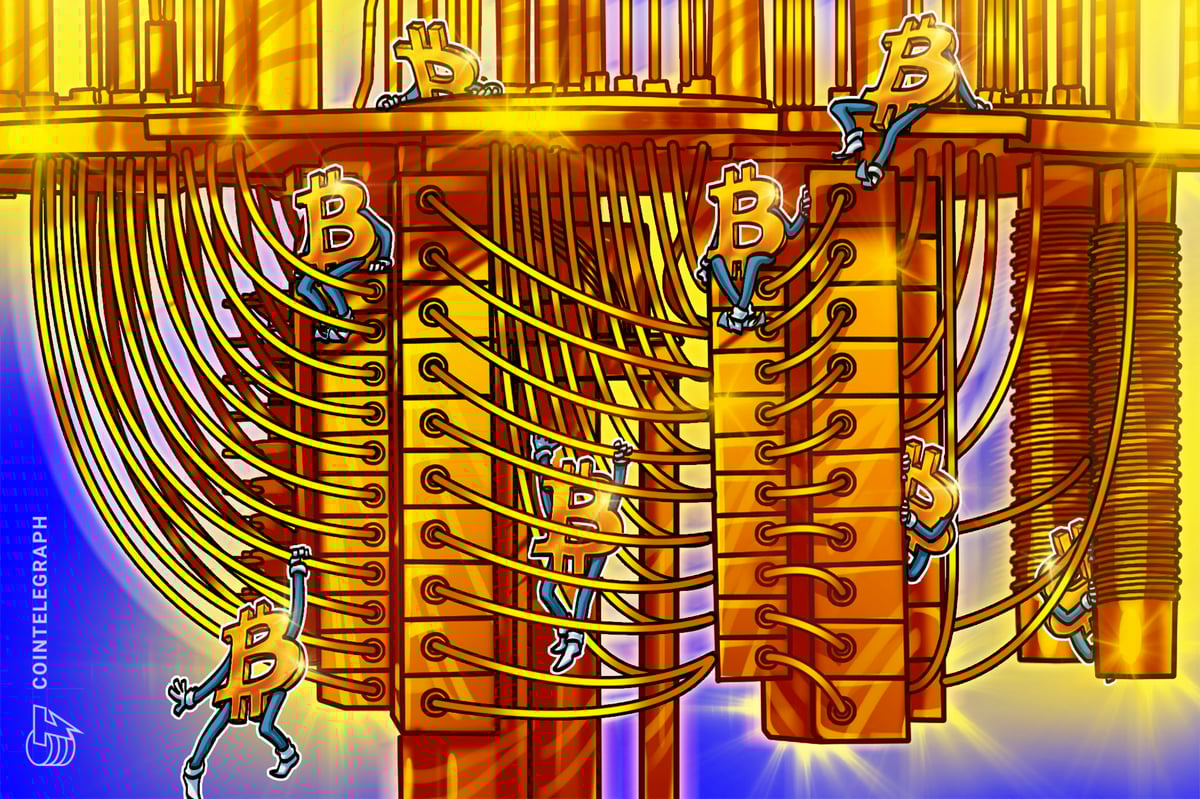
What if your Bitcoin stash— that digital gold you’ve HODLed through crashes and booms—suddenly became as vulnerable as a paper wallet in a hurricane?
Adam Back, the cryptography wizard behind Blockstream and a Bitcoin pioneer from the dial-up days, just dropped a reality check. Bitcoin’s quantum threat isn’t storming the gates tomorrow. But the clock? It’s ticking. Loudly.
Back laid it out in a Bloomberg chat: current quantum rigs are noisy toddlers, tripping over their own error-prone qubits. No error correction means no real bite—yet. Picture a demolition crew with sledgehammers made of wet noodles. Papers back this up—one a straight-faced engineering takedown, the other a savage satire—both screaming ‘not yet.’
But here’s the kicker, the thing that keeps this futurist up at night with stars in his eyes.
Is Quantum Computing Bitcoin’s Doomsday Device?
No. Not soon. Back’s crystal clear: “the current hardware…generally doesn’t have any error correction.” That’s the lede they buried. Quantum’s theoretical claws—Shor’s algorithm, Grover’s search—could shred ECDSA signatures like tissue. Harvest-now-decrypt-later attacks? Spooky, sure. But today’s machines? Laughably short on qubits and coherence time.
Think of it like the early internet versus today’s web. Back in ‘95, dial-up modems choked on cat videos. Quantum’s there now—promising, primitive. NIST’s post-quantum standards, finalized late 2024, are the upgrade path. Crystals, lattices, hashes—math fortresses quantum can’t climb.
And Back’s not just talking. Blockstream’s got a 20-person squad cranking papers, prototypes, live tests on the Liquid network. It’s happening. Quietly. Methodically.
My hot take? This mirrors the DES-to-AES pivot in the ’90s. Governments raced to beef up encryption as brute-force loomed. Bitcoin dodged that bullet early with stronger curves. Now quantum forces round two—and it’ll birth a harder, shinier BTC. Not a threat. A superpower.
How Long Until Bitcoin Must Migrate Keys?
A decade. That’s Back’s goldilocks timeline. Not tomorrow’s panic, not century-out complacency. “We don’t have to agree about the timeline for quantum computers to become powerful enough to be a threat, because the prudent thing to do is to prepare Bitcoin and give people the option to migrate their keys to a quantum ready format, and to have, let’s say, a decade in which to do that.”
“We don’t have to agree about the timeline for quantum computers to become powerful enough to be a threat, because the prudent thing to do is to prepare Bitcoin and give people the option to migrate their keys to a quantum ready format, and to have, let’s say, a decade in which to do that.” — Adam Back, Blockstream CEO
Spot on. Users get a soft landing—tap a button, migrate UTXOs to PQC addresses. Nodes upgrade softly. No hard fork Armageddon. It’s like vaccinating the network before the virus mutates.
Critics whine about overkill. Why spook normies? But Back calls BS on the hype machine—quantum’s not vaporware forever. IBM, Google, China—they’re qubit-hungry. By 2035? Error-corrected beasts could lurk. Migrate early, sleep sound.
Blockstream’s Quantum Lab: Real Work, No Hype
Forget vaporware roadmaps. Blockstream’s shipping. That 20-head team? Publishing, implementing, testing on Liquid—a Bitcoin sidechain that’s basically a quantum beta playground. Issuance, covenants, all PQC’d up.
It’s coordinated chaos—researchers, devs, across ecosystems. Ethereum’s eyeing it too. The playbook: soft forks for new ops, user-triggered migrations, maybe taproot-style upgrades. No one’s sleeping; they’re sprinting.
Here’s the wonder: quantum forces evolution. Bitcoin wasn’t built for this, but it’ll adapt like it did for SegWit, Lightning. Emergent resilience. That’s the platform shift—crypto as living math, morphing against physics itself.
And yeah, corporate spin? Blockstream’s vested—Liquid benefits. But Back’s cred is ironclad; he hashed out Hashcash pre-Satoshi. This ain’t PR fluff. It’s prophecy.
Why This Quantum Prep Race Matters for Your Wallet
Short-term? Yawn. Your keys are safe. Long-term? Existential.
Imagine 2030: nation-state quantum cracks old sigs. Dormant wallets? Drained. Exchanges? Frozen. But migrated ones? Untouchable. It’s Y2K for cypherpunks—except we saw it coming.
Bold prediction: this decade’s migration sparks Bitcoin 2.0. Quantum-hard, privacy-boosted (shoutout Zcash’s encryption edge over obfuscation hacks). AI metadata sniffers? They’ll bounce off too. Fintech’s future? Blockchains that laugh at physics.
Don’t HODL blind. Watch the clock. Migrate when ready. The future’s bright—quantum-proof.
🧬 Related Insights
- Read more: Duolingo CEO Luis von Ahn: ‘Delete the Blockchain’ and Why AI Won’t Kill Language Apps
- Read more: Marathon Digital’s $1.1B Bitcoin Fire Sale Signals the Great Mining Pivot—And Why It’s Darker Than It Looks
Frequently Asked Questions
What is Bitcoin’s quantum threat? Quantum computers could use Shor’s algorithm to forge ECDSA signatures, cracking private keys from public ones. Not today—needs millions of error-free qubits.
When will quantum computers break Bitcoin? Estimates range 10-20 years for threat-level hardware. Adam Back pegs a safe migration window at a decade.
Should I migrate my Bitcoin keys now? Not urgent, but monitor upgrades. Tools will come—user-friendly, non-custodial. Prep by staying informed.