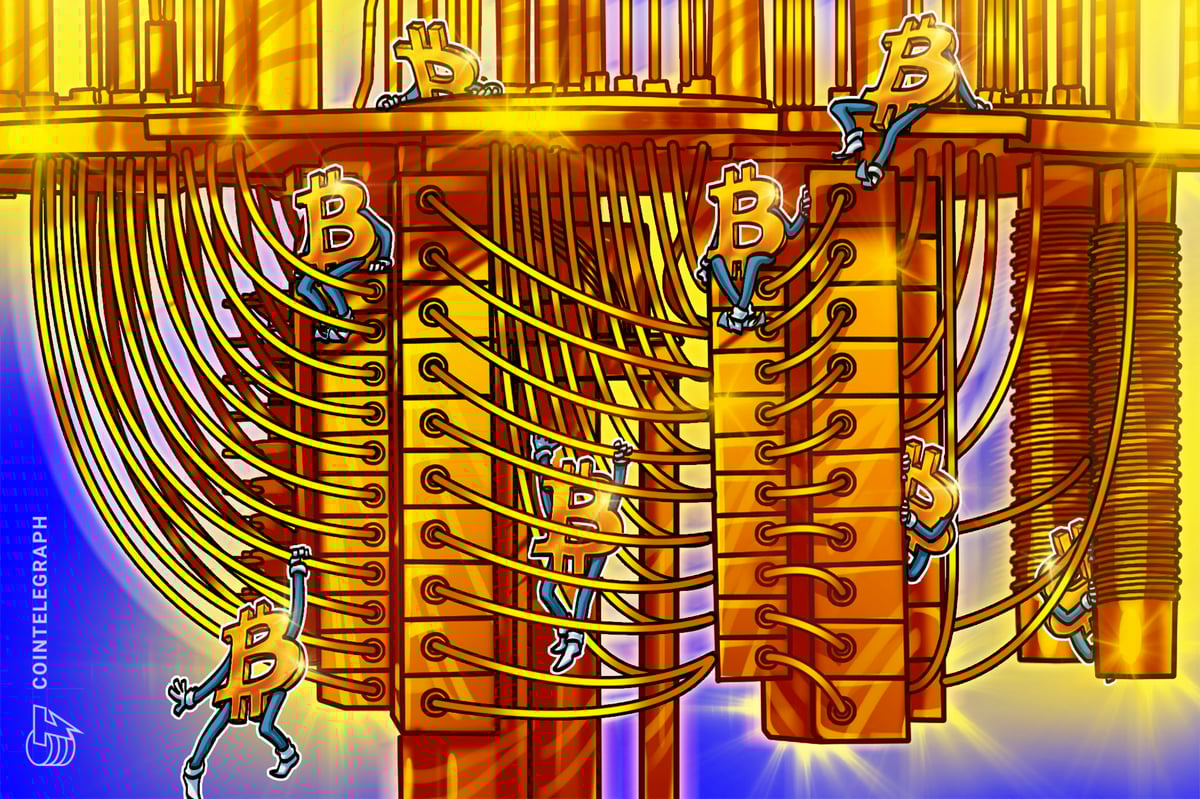
Quantum doom for Bitcoin.
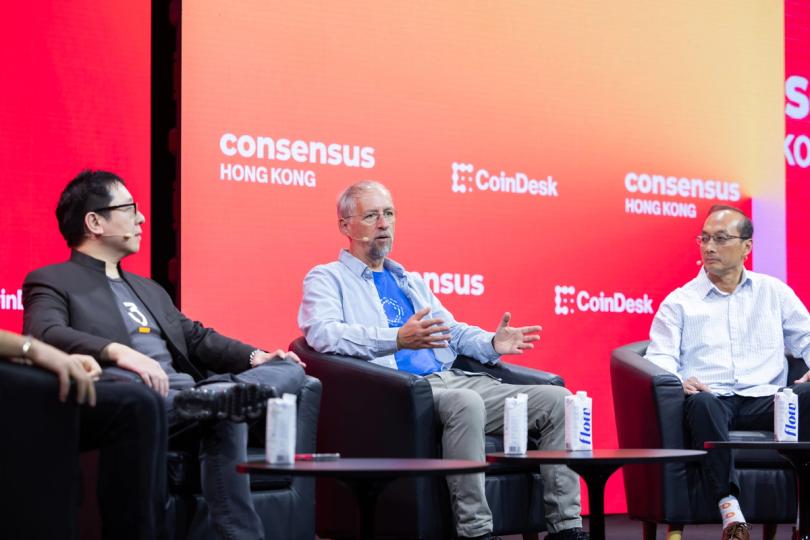
That’s not some doomer tweet—it’s straight from John Martinis, the guy who led Google’s quantum push and just snagged the 2025 Nobel in Physics. After 20 years chasing Silicon Valley’s wild promises, I’ve seen plenty of “revolutionary” tech fizzle. But this? This Bitcoin quantum threat feels different. Martinis isn’t peddling vaporware; he’s warning that cracking your private keys could be quantum computing’s first real trick, maybe in five to ten years.
Look, quantum hype has burned us before—remember all those supremacy claims that solved nothing useful? Martinis cuts through it. In a CoinDesk chat, he endorses a fresh Google paper showing how a beefy quantum rig could snag a Bitcoin private key from its public one in minutes. That’s during that hairy window when your transaction broadcasts the public key before the blockchain locks it in.
Bitcoin Quantum Threat: Closer Than You Think?
Here’s the kicker: breaking crypto isn’t the hard part for quantum machines. “It turns out that breaking cryptography is one of the easier applications for quantum computing, because it’s very numeric,” Martinis told CoinDesk. “These are the smaller, easier algorithms. The low-hanging fruit.”
“I think it’s a very well-written paper. It lays out where we are right now,” Martinis said, referring to Google’s latest work on quantum threats to cryptography. “It’s not something that has zero probability; people have to deal with this.”
And Bitcoin? Smack in the crosshairs, thanks to its elliptic curve digital signature algorithm (ECDSA). Spend a coin, expose the public key—boom, quantum Shor’s algorithm swoops in, derives the private key, reroutes your sats. Banks can flip a switch to post-quantum crypto like lattice-based stuff. Bitcoin? Good luck herding those decentralized cats.
Martinis gets it. “You can go to quantum-resistant codes in banking and other systems,” he says. “Bitcoin is a little bit different, which is why people should be thinking about this right now.”
But wait—ain’t building these quantum beasts insanely tough? Yeah. Martinis admits it’ll take major engineering leaps in error correction, scaling qubits without decoherence turning everything to mush. He’s not panicking tomorrow. His timeline: five to ten years, roughly. Still, that’s no excuse to twiddle thumbs.
Why Bitcoin’s Governance Dooms It
Remember the block size wars? Or Taproot’s slog? Bitcoin upgrades crawl like a hungover tortoise. Decentralized means consensus or bust—and quantum-resistant signatures (say, Dilithium or Falcon) mean soft forks, hard forks, maybe replay attacks. Miners, nodes, exchanges—all gotta sync, or chaos.
Who’s making bank here? Not your HODLer. Quantum startups like Martinis’ own Qolab (he’s CTO now) smell opportunity. Post-quantum crypto chips, secure enclaves—Silicon Valley’s next gold rush. Bitcoin fixes this, and suddenly everyone’s selling “quantum-safe wallets.” Smells like the NFT boom, minus the apes.
My hot take—and this ain’t in the original piece: this mirrors the Y2K scare, but dumber. Back then, banks shelled billions proactively. Bitcoin? Devs’ll bicker till a quantum nation-state demo-cracks a wallet on YouTube. Bold prediction: by 2030, we’ll see a “QuantumSegWit” fork after a $1B heist spooks the plebs. History rhymes—Bitcoin’s 2017 scaling fiasco delayed fixes for years.
So, Google’s paper. It models a quantum attack on that transaction window. Public key pops out, quantum box crunches Shor’s algorithm—private key in minutes, not eons. Current RSA or ECC? Toast. Bitcoin’s pay-to-script-hash (P2SH) or segwit hides keys better till spent, but reuse ‘em? You’re exposed.
Martinis stresses: plan now. “Given the serious consequences, you deal with it. You have time, but you have to work on it.”
Quantum Hype vs. Hard Reality
I’ve covered quantum since D-Wave’s oven-warm annealers. Google’s 2019 supremacy? Cute benchmark, zero apps. But error-corrected, million-qubit machines? That’s the beast that bites crypto. China, IBM, Google—all racing. And crypto’s not waiting for NIST’s full post-quantum suite.
Bitcoiners, wake up. Your laser-eyes won’t stop qubits. Start testing BIP drafts for Lamport signatures or whatever. Exchanges like Coinbase already muse quantum funds. But network-wide? Ages away.
And the money angle—who profits? Not Satoshi’s dream. Quantum consultancies, hardware firms (hello, Qolab), even nation-states harvesting keys now for “store now, decrypt later.” Martinis’ warning? It’s the kick in the pants we needed.
🧬 Related Insights
- Read more: Drift’s $285M Solana Heist Exposes DeFi’s Dirty Secret: Code Isn’t Enough
- Read more: Bitcoin’s Institutional Strength Masks a Deeper Crack: Why Good Friday Could Get Ugly
Frequently Asked Questions
What is the Bitcoin quantum threat? Bitcoin’s encryption relies on math quantum computers can shatter, exposing private keys from public ones during transactions.
When will quantum computers break Bitcoin? Nobel physicist John Martinis estimates 5-10 years, but engineering hurdles could stretch it—still, prep now.
How can Bitcoin go quantum-resistant? Via protocol upgrades like post-quantum signatures, but slow governance means consensus battles ahead.