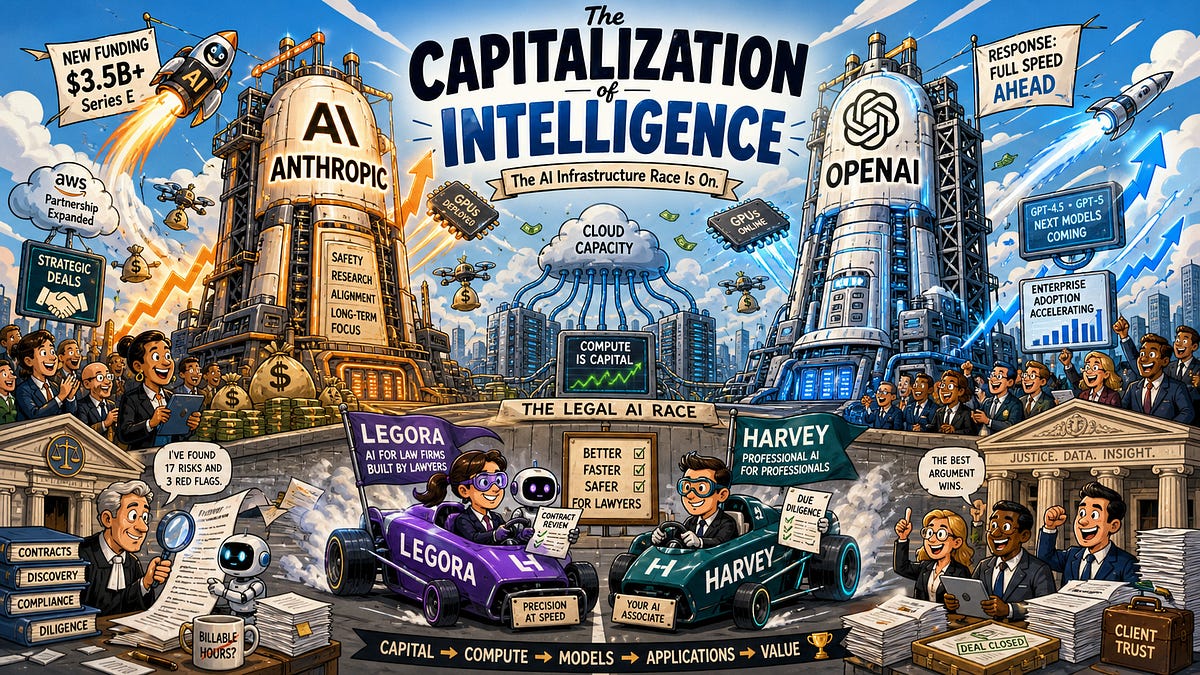
Big Tech’s AI thirst is parching investors’ patience.
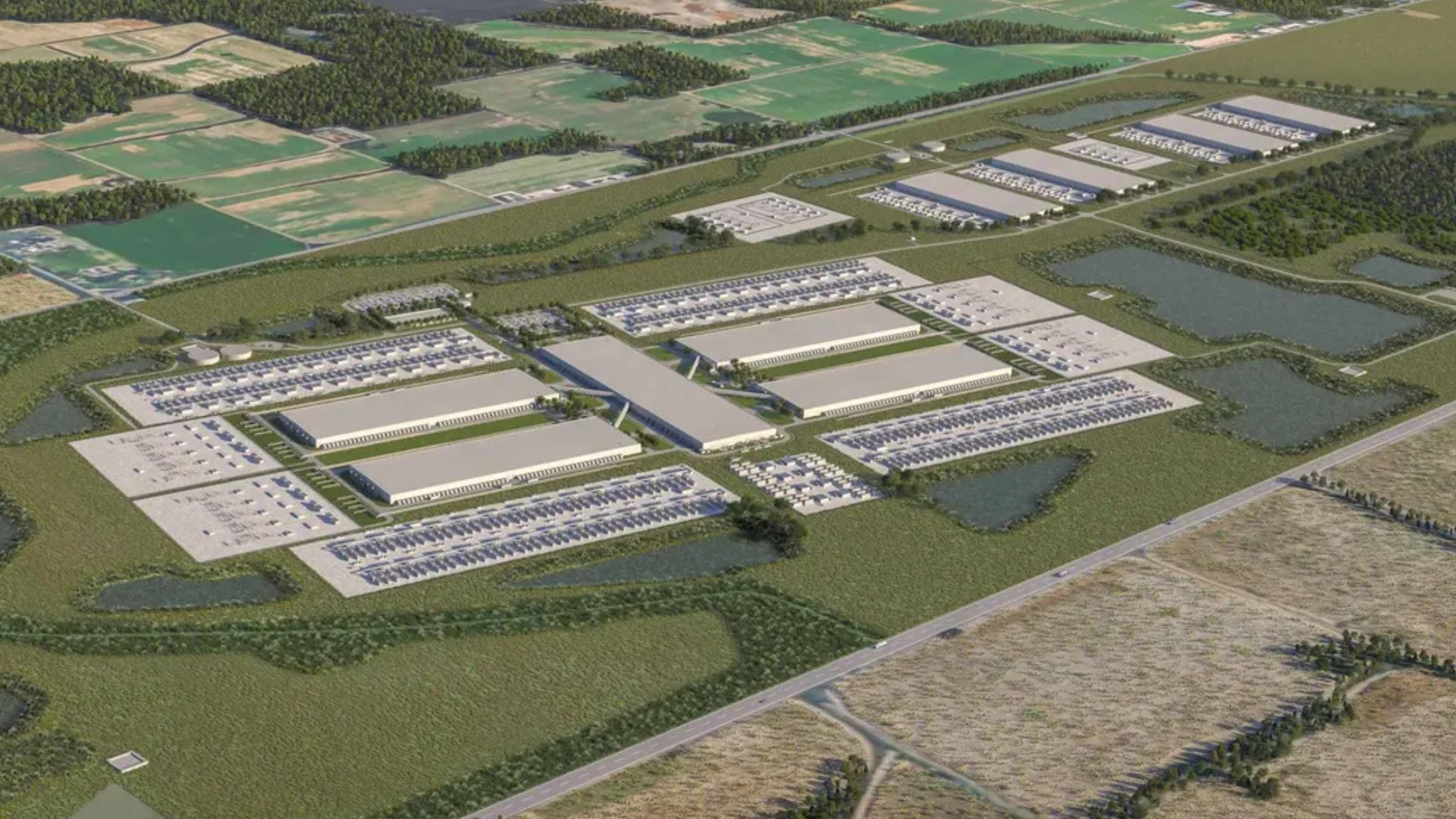
More than a dozen shareholders—led by firms like Trillium Asset Management—are twisting arms at Amazon, Microsoft, and Alphabet’s Google. They want granular, site-specific disclosures on water and power guzzled by U.S. data centers. This push hits right as North American facilities slurped nearly 1 trillion liters of water in 2025, per Mordor Intelligence. And that’s before AI’s full frenzy.
Look, these hyperscalers scrapped multibillion-dollar projects lately—community backlash over resources sealed their fate. Yet capex keeps exploding: Microsoft, Amazon, Meta pouring billions into AI infra, even if half of 2026’s planned U.S. builds are already delayed or dead, Bloomberg says.
Why the Sudden Investor Heat?
Trillium filed a resolution with Alphabet back in December. Why? Google pledged in 2020 to halve emissions and go carbon-free by 2030. Instead, emissions jumped 51%. Andrea Ranger, Trillium’s shareholder advocacy director, spelled it out to Reuters: they’re probing how Alphabet plans to hit those goals—or miss them spectacularly.
Water’s the flashpoint. Generating 100 words with GPT-4? That’s three bottles gone, some estimates claim. Broader studies peg AI data centers’ annual draw higher than global bottled water sales. Indirect use dominates too—power generation soaks up most, with a 2024 study clocking 800 billion liters for data centers overall. Offsite? Vast majority for AI spots, says 2025 research.
“We haven’t seen them disclosing enough about their water consumption (and the) impact on the local community,” Jason Qi, lead technology analyst at Calvert Research and Management, told Reuters.
Jason nails it. Site-level data lets investors gauge real operational risks—like droughts hitting key spots or locals revolting.
Hyperscalers tout closed-loop cooling—far thriftier than old evaporative tech. Amazon’s Josh Weissman claims they’re ramping site-specific water disclosures already, vowing to be good neighbors with efficiency investments. Microsoft? Sustainability’s a “core value,” their spokesperson insists. Google zipped it; Meta ghosted Reuters.
But here’s the thing.
Disclosure varies wildly. Investors smell spin—especially with AI capex skyrocketing amid project cancellations. Practicality clashes with sustainability demands; new builds fund fast, old promises fade.
Does Site-Specific Data Even Matter for AI Growth?
Absolutely—if you’re betting on these stocks. Opacity breeds doubt. Remember Enron? Their black-box finances hid disasters until boom, then bust. Big Tech’s dodging site data feels eerily similar: vague green pledges mask local strains. Death Valley solar hubs gleam in comments (Dubai’s Moro Hub runs 100MW solar, Microsoft-Dell backed), yet U.S. hyperscalers balk—grid ties, cooling loads, or plain superstition?
My take: this pressure’s no blip. It’s market dynamics biting back. AI’s power hunger—projected 8% of U.S. electricity by 2030—amplifies water woes in arid zones like Arizona, Virginia. Investors wield votes at annual meetings; resolutions like Trillium’s could pass, forcing reports. Prediction: by 2027, mandatory site dashboards emerge, or capex cools as ESG funds bail.
And water’s just indirect power thirst now. Hyperscalers chase nuclear deals, PPAs for renewables—but transparency lags execution. Amazon’s edging disclosures? Smart PR, but site-by-site proves stewardship. Microsoft’s core value? Prove it with numbers, not platitudes.
Shift gears: global context. Middle East data centers hit 100% solar already—why not Nevada deserts here? Orbiting panels? Dreamy, but $100 billion per GW? Pass. Ground realities rule: investors want earthbound accountability.
This isn’t anti-AI griping. It’s data-driven caution. Hyperscalers’ market caps—trillions—ride on sustainable scaling. Scrapped projects signal cracks; water wars loom. Disclose, adapt, or watch shares wobble as funds pivot to greener bets.
Bloomberg’s delay stats? Half of 2026 pipeline stalled—infrastructure begs. Yet funding flows. Tension brews.
Unique angle: parallels oil majors’ 2000s emissions fights. Shell, Exxon stonewalled until shareholder revolts mandated reporting. Result? Costly retrofits, but survival. Big Tech’s at that fork—ignore, and AI bubble risks pricking on eco-faults.
Why Are Data Centers So Thirsty for AI?
Direct cooling? Minimal now, thanks loops. Indirect? Electricity’s shadow use—hydro, thermal plants chug water. AI amps it: training GPT-scale models rivals small cities’ draws. Mordor’s trillion liters? North America alone. Scale globally, it’s biblical.
Communities push back—projects axed. Investors amplify: assess risks site-by-site. Virginia hubs strain aquifers; Phoenix fights scarcity. No data? Blind bets.
Amazon invests in reductions—laudable. But “good neighbor” rings hollow sans metrics.
Bottom line: pressure’s smart strategy. Forces efficiency amid boom. Without it, AI’s promise drowns in backlash.
🧬 Related Insights
- Read more: Gemma Scope 2: Peering Into AI’s Brain or Just Shiny Distraction?
- Read more: Gemma 4: Google’s Bid to Own the Edge AI Revolution
Frequently Asked Questions
What is data center water consumption?
It’s direct (cooling) plus indirect (power generation)—trillions of liters yearly for AI hubs, mostly offsite.
Why are investors demanding site-specific data from Amazon and Google?
To spot local risks like droughts or community opposition, beyond vague corporate averages.
Will this slow Big Tech’s AI data center expansion?
Likely—transparency could spike costs, delay builds, as half of 2026 U.S. plans already are.