Look, the tech world was hunkered down, expecting venture dollars to trickle, not torrent, into AI after last year’s overpromises and rate-hike jitters. Q4 2025? A measly $37 billion. Analysts whispered of a cooldown, with VCs licking wounds from bloated valuations. But Q1 2026? North American AI startups didn’t grow—they detonated, raking in $221 billion, per Crunchbase. That’s not evolution. That’s a seismic shift in how capital sees AI: not as a trendy side bet, but the main event rewriting enterprise guts.
North American artificial intelligence startups didn’t just grow in Q1 2026. They exploded, pulling in $221 billion, roughly six times the previous quarter, according to Crunchbase.
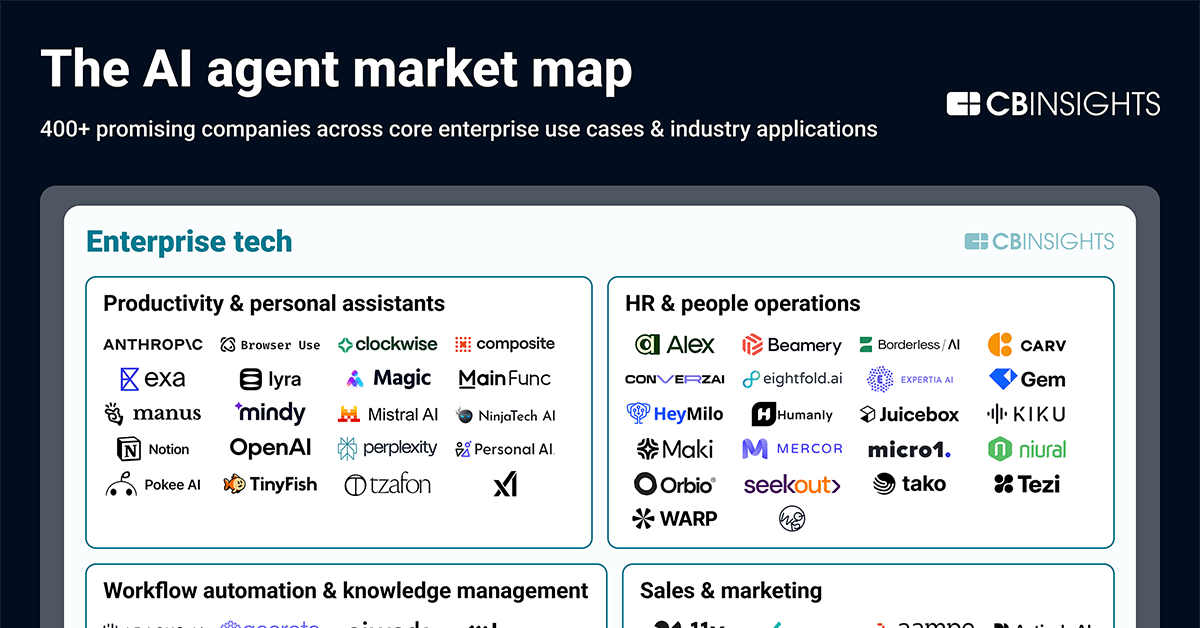
A trio of titans did the heavy lifting—OpenAI, Anthropic, xAI—snagging over $160 billion combined. OpenAI alone? $110 billion in February, led by Amazon, Nvidia, SoftBank; then another $12 billion in March. Anthropic’s $30 billion Series G. xAI’s $20 billion Series E. Waymo chipped in $16 billion. These aren’t rounds; they’re national GDPs funneled into silicon dreams.
But here’s the thing—and my unique angle no one’s yelling about yet—this echoes the 1999 internet gold rush, when Cisco and Amazon scarfed market caps bigger than countries, only for the bubble to pop and birth today’s cloud giants. Difference? AI’s got real plumbing now: multimodal models churning agents that actually automate drudgery. Prediction: 70% of these mega-funded beasts consolidate by 2029, but survivors remake software like PCs remade mainframes.
Why the Hell Are VCs Still Shoveling Billions at AI Startups?
Simple: returns. OpenAI’s valuation? Nosebleed territory, yet revenue’s exploding on enterprise ChatGPT subs. Investors aren’t blind— they’re betting AI agents crack the enterprise software piñata, where SaaS peaked at $200 billion annually but left workflows maddeningly manual. Early signals? Series A/B rounds slurped $25.1 billion, up 17% quarter-over-quarter, 56% year-on-year. Strongest early-stage AI pop in three years, though shy of 2021 mania.
Mid-tier deals tell the real story. Not fireworks, but steady fuses lighting enterprise pain points.
Take Variance: $21.5 million Series A for AI agents that devour regs, map to policies, flag gaps live. Compliance? Nightmare fuel for banks, now automated.
Sona? $45 million for payroll AI in retail, hospitality—scheduling, forecasting, wage tweaks without human error.
SteDi? $50 million to glue healthcare payments: standardize data chaos, slash manual recon that bloats costs.
These aren’t moonshots. They’re picks-and-shovels for the AI gold rush—targeting ‘high-friction workflows’ where ROI hides in plain sight.
Enterprise workflows. That’s the next wave, especially IT and insurance: rigid, slow, begging for disruption.
How AI Agents Are Quietly Conquering IT and Insurance Ops
NeuBird AI: $19.3 million for predictive IT monitoring. Logs, metrics—sucks ‘em in, spots fires pre-ignition, auto-fixes (restarts, reallocates). Downtime? Slashed.
Yuzu Health: $35 million Series A for insurance ops—claims, configs, onboarding. Ditches intermediaries, manual checks; AI accelerates, error-proofs.
And it’s spreading. Investors smell blood: processes defined enough for AI to map, messy enough to justify premiums. Remember Salesforce? Ate CRM by automating sales reps’ grunt work. Now? AI agents for every cubicle zombie task.
But skepticism time—OpenAI’s haul screams PR spin. $110 billion? That’s not investment; it’s a liquidity event for early holders, with SoftBank’s Masayoshi Son (dot-com bust survivor) playing visionary again. Hype or harbinger? My bet: harbinger, but with a 2027-28 shakeout culling unicorns that can’t ship agents.
Early-stage surge matters too. $25 billion into A/B? Signals conviction beyond hype—founders pitching not ‘general intelligence,’ but ‘your workflow, fixed.’ VCs, burned by web3, crave defensibles: proprietary data moats in regs, health records.
Waymo’s $16 billion underscores physical AI’s pull—autonomous fleets aren’t sci-fi; they’re scaling.
So, what’s shifting architecturally? Capital’s fleeing consumer gimmicks for B2B plumbing. AI’s not app-layer candy anymore; it’s re-architecting stacks. Agents as OS layer—ingest data, reason, act. That’s the ‘why’ behind the flood: trillion-dollar TAM in ops software ripe for 10x efficiency.
Critique the spin: Crunchbase calls it ‘no slowdown.’ True, but ignores froth—valuations imply 100x returns or bust. Corporate PR (Amazon leading OpenAI) masks strategic moats: Nvidia chips, AWS infra lock-in.
Deeper: this funding tsunami accelerates consolidation. Big Tech laps startups via acquisitions; survivors like these workflow winners build fortresses.
One-paragraph wonder: Watch insurtech and IT ops— they’ll mint the next decacorns.
Will This AI Funding Bubble Burst Like Dot-Com?
Short answer? Kinda, but smarter. 1999 lacked product-market fit; 2026 has demos working today. Still, $221 billion quarterly? Unsustainable without 10x GDP growth in AI output. Bold call: Q4 2026 sees 40% drop as rates bite, but rebounds on agent revenue proofs.
Enterprise bets win because they’re unsexy—predictable churn from Fortune 500 drudgery.
Variance, Sona: frontline ops. SteDi, Yuzu: payer-provider glue. NeuBird: IT uptime.
That’s the how: narrow, vertical agents scaling horizontally.
Final thought—skeptical joy: AI funding’s frenzy isn’t blind faith. It’s calculated plunder of legacy systems. Changes everything? Yeah—for devs building agents, VCs hunting niches, enterprises dreading obsolescence.
🧬 Related Insights
- Read more: AI Cracks Open Vesuvius’ Charred Scrolls — Purple Ink from 79 AD Emerges
- Read more: MCP Servers Evolve: From Toy Demos to Production Powerhouse in One Forkable Template
Frequently Asked Questions
What drove the $221 billion AI startup funding in Q1 2026?
Mega-rounds from OpenAI ($122B total), Anthropic ($30B), xAI ($20B), plus early-stage enterprise workflow plays—up 56% YoY.
Is AI venture funding sustainable at this pace?
Short-term yes, on agent ROI; expect 2027 shakeout as unproven hype firms falter.
Which sectors are hottest for AI startup investments?
Enterprise IT, insurance ops, healthcare payments—high-friction areas ripe for automation.