Everyone figured Māui dolphin research meant endless boat trips, binoculars glued to faces, praying for calm summer seas. Costly. Ineffective. Barely scratching the surface—literally, since you can’t tell these sleek critters apart without tech wizardry. But here’s the shift: AI-equipped drones are rewriting the rules, plunging into winter gales, circling pods 16 kilometers offshore, and spotting those rounded dorsal fins with eerie precision.
It’s like handing superhuman eyes to conservationists. These pint-sized dolphins—50 kilos max, darting through New Zealand’s wild west coast waters—have dodged humans for decades. Gillnets from fishing ops slashed their numbers from 63 in 2018 to 54 today. And winter? A black hole of ignorance, thanks to brutal weather.
MAUI63’s crew—marine biologist Rochelle Constantine, tech whiz Tane van der Boon, drone ace Willy Wang—didn’t wait for miracles. Over pub pints, they dreamed up drone swarms laced with AI, cloud smarts, and computer vision. Four years of hacking, fundraising, quals for sea flights. Boom: first sightings this year.
“Currently everything we know about them is from summer. We know virtually nothing about them in winter,” she says.
That quote from Constantine hits hard. It’s the uncertainty fueling their fire—to “give certainty to our uncertainty.”
Why Were Māui Dolphins a Tracking Nightmare?
Rounded black fins. No unique markings like human faces (sorry, dolphins don’t do selfies). Boat surveys? Laughable—fast swimmers vanish in waves, costs skyrocket, data trickles. Traditional methods left scientists blind, especially when storms rage.
Van der Boon, no coding pro at first, burned nights tagging internet clips. Built a custom model from scratch—existing ones choked on those fins. Paired it with 8K cameras, HD gimbals, Azure cloud crunching object detection and facial-recog tweaks for fin scars.
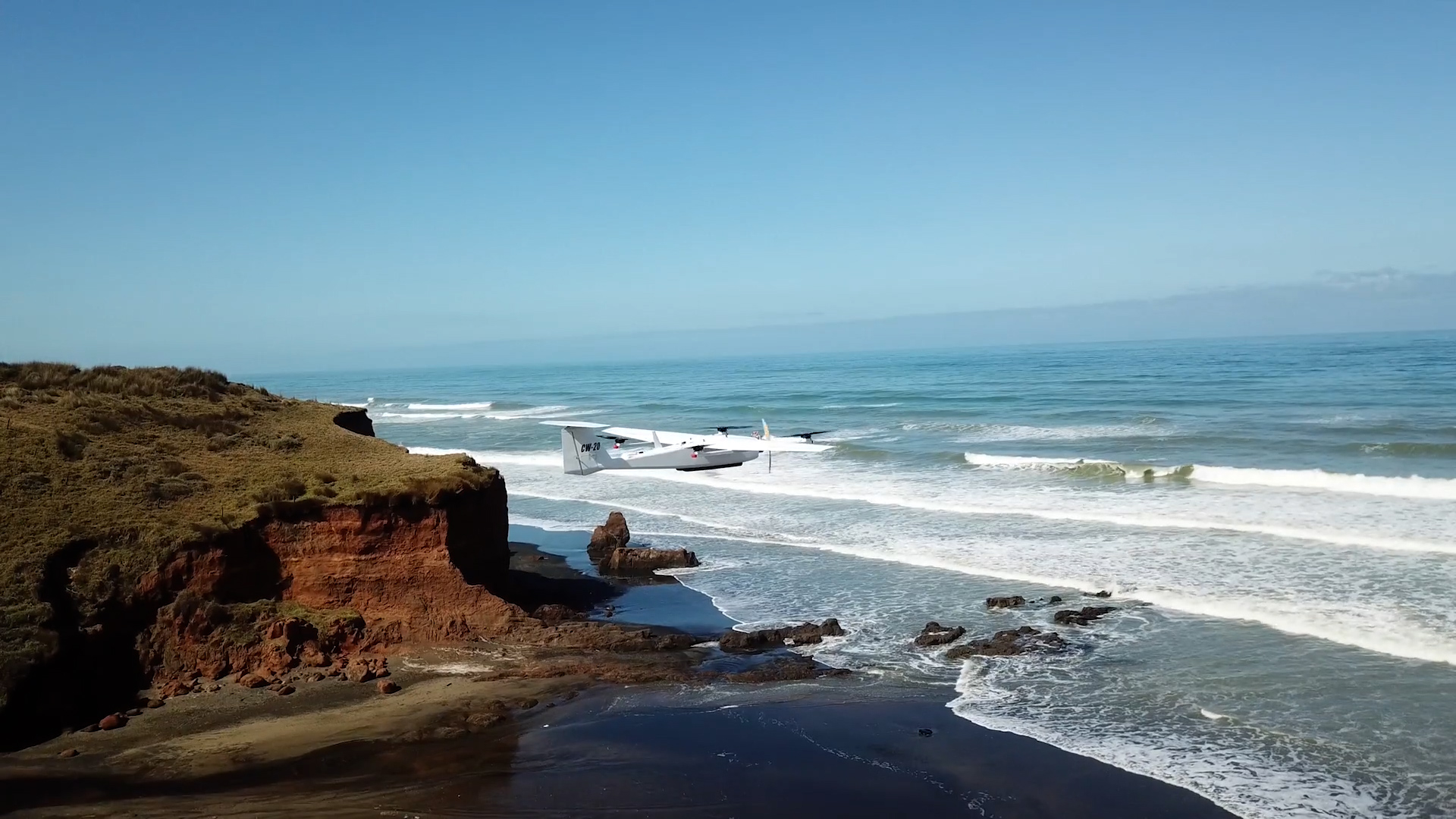
Picture this: drone wings 4.5 meters wide, slicing 16km out, AI pinging “dolphin!” live on laptop screens back in the van. Heart-pounding stuff.
“It was pretty exciting. We were sitting in the van, the drone was 16 kilometers down the coast, and we could see the AI detecting dolphins as we were doing circles around them,” van der Boon says.
They didn’t stop at spotting. Sea Spotter app incoming—snap a pic, upload, AI IDs the individual via fin nicks. Crowd-sourced protection.
But wait—my hot take, absent from the press: this isn’t just dolphin rescue; it’s the Wright brothers moment for conservation tech. Like early planes spotting game from skies, upending hunting forever. Bold call? AI drones will birth ‘ecosystem sentinels,’ fleets mapping oceans in real-time, preempting extinctions before they hit.
How Does the AI Drone Tech Actually Work?
Break it down. Ultra-HD stills capture fin shapes, scratches—unique snowflakes per dolphin. Open-source facial algos, retrained on Māui data, hosted on Microsoft Azure. Functions process uploads fast. New Zealand’s Cloud and AI plan, Microsoft Philanthropies cash? Fuel for the fire.
No hype overload here—it’s gritty. Months of model tweaks. Sea quals. Fundraising grind. Yet it scales. Conservation Metrics (Microsoft AI for Earth pal) already amps wildlife surveys with ML. NatureServe maps habitats via Esri and Azure. Māui63? Proves it for the teeniest, trickiest targets.
These dolphins aren’t just cute—ecological linchpins in Aotearoa’s (Māori for NZ) spiritual seas. Te Ika-a-Māui, the North Island, translates ‘Fish of Māui.’ Lose them, rip the fabric.
And the wonder? AI’s platform pivot turns oceans from mysteries to data goldmines. Drones don’t tire. Don’t seasick. See through murk our eyes can’t.
Look, skeptics might scoff—drones crash, AI errs, fishers ignore. Fair. But first flights nailed it. Winter data incoming. Habitats pinpointed. Threats dodged.
Can This Save Other Ocean Critics?
Absolutely. Vaquitas, right whales, abalones—pick your endangered swimmer. Same stack: drone eyes, AI brains, cloud scale. MAUI63’s open-ish vibe invites copycats.
Historical parallel I love: Hubble for stars. This? AI for seas. We mapped galaxies; now we map the deep to heal it.
Energy here? Electric. Pace of build—pub idea to prototypes in years—mirrors AI’s blitz. Wonder at teaching machines to ‘see’ the sea’s shy ghosts.
One punchy truth: without this, 54 becomes 40, then zero. With it? Hope surges.
🧬 Related Insights
- Read more: Google’s Lyria 3 Lands in Gemini: AI Jingles or Music’s Demise?
- Read more: Project Genie: Google’s Glitchy Dream of Infinite Worlds
Frequently Asked Questions
What are Māui dolphins and why are they endangered?
Rarest dolphins alive—54 left off New Zealand’s North Island west coast. Gillnet fishing snags them fatally; tiny size, elusive habits don’t help.
How do AI drones identify individual Māui dolphins?
8K cameras snap dorsal fins; AI models analyze shapes, sizes, scars—like dolphin fingerprints. Azure processes it all.
Will AI drone tech help other endangered species?
Yes—scalable for whales, seals, turtles. Already trends in Microsoft AI for Earth projects worldwide.