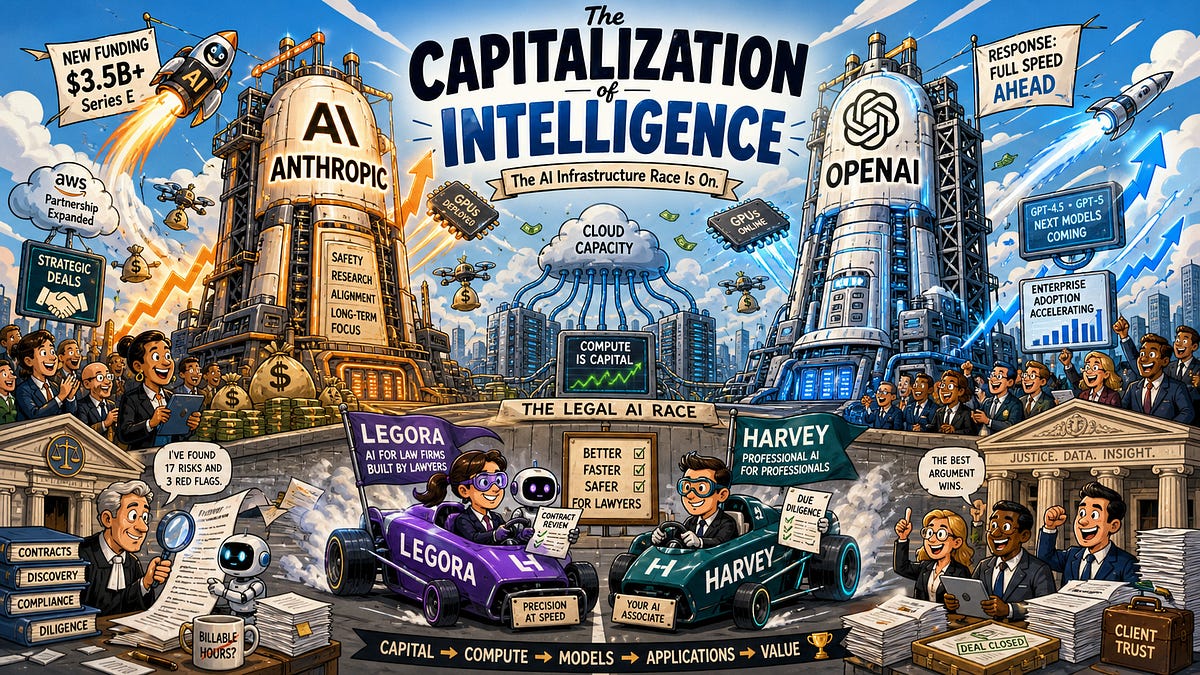
Sam Altman leans into the mic at BlackRock’s DC summit, voice steady but eyes sharp: AI’s not popular right now.
That’s the scene last month—raw admission from OpenAI’s CEO amid datacenter gripes, layoff blame, and polls screaming public distrust. AI companies know they have an image problem, and they’re not waiting for the pitchforks. Enter policy papers, think tanks, podcast buys. It’s a blitz, frantic yet calculated, to flip the script on this platform shift that’s barreling toward us like a cosmic freight train.
OpenAI’s 13-page manifesto, Industrial Policy for the Intelligence Age, hit like a thunderclap. No ChatGPT tweak, no GPU hoard—just a call to reimagine the social contract. “People-first ideas,” they trumpet. Meanwhile, they’re snapping up TBPN podcasts, plotting a DC outpost with a nonprofit sandbox called the OpenAI Workshop. Anthropic? Not sleeping—one-upping with the Anthropic Institute, probing AI’s societal quake.
Why Are AI Giants Suddenly Policy Wonks?
Look. Disruptions hit hard now—jobs wobble, blackouts loom from power-hungry servers, scrutiny swells. Sam nails it:
“You can see a bunch of potential headwinds. AI is not very popular in the US right now. Datacenters are getting blamed for electricity price hikes, almost every company that does layoffs is blaming AI whether or not it really is about AI.”
Boom. That’s your hook—industry brass owning the mess. But here’s my twist as a futurist drunk on AI’s promise: this echoes the railroads of the 1860s. Back then, tycoons funded reports, lobbied for land grants, painted iron horses as destiny’s engine. They didn’t just build tracks; they built the narrative. AI’s doing the same—positioning superintelligence as inevitable, urging society to catch up. Bold prediction: by 2030, we’ll have that public wealth fund, not from altruism, but because these firms steer the policy ship just right.
Critics? They’re howling. Sarah Myers West from AI Now Institute calls the bluff:
“What they’ve done very cannily here is sort of outline a set of social welfare goals while abdicating any responsibility or any meaningful commitment of resources toward those goals.”
Fair shot. OpenAI preaches four-day weeks, citizen profit shares (UBI’s chic cousin), resilient societies—yet lobbies millions for deregulation. $3 million in 2025 alone. Greg Brockman’s Super PAC? $125 million war chest, ads smacking AI skeptics. It’s PR by policy proposal, shifting blame to lawmakers while whispering “light touch” in Capitol ears.
And yeah, the paper’s coy: these aren’t blueprints, just “starting points.” Unless policy races tech, safety nets fray. Superintelligence looms—agency, opportunity for all, or bust.
Will OpenAI’s Four-Day Dream Fix the Backlash?
Four-day workweek. Public wealth fund. Sounds utopian, right? Like AI handing keys to utopia. But peel it back—this frames their tech as a force of nature, not a tweakable product. Regulate the code? Nah, rewire society.
Caitriona Fitzgerald from EPIC warns:
“If we wait around for Congress to act, then these companies will just be able to grow unregulated. Which is, of course, what they want.”
Spot on. OpenAI’s DC play, Anthropic’s institute—it’s ecosystem building. Nonprofits schmooze in workshops, policymakers sip the Kool-Aid. Not evil, just chess. As a futurist, I see wonder: AI is that shift, bigger than electricity, PCs, web. But the spin? Corporate hypnosis, dodging the hard yards like internal safeguards or profit-sharing now.
Here’s the thing—they’re not wrong about headwinds. Electricity wars rage; layoffs sting. Yet lobbying undercuts the high ground. Imagine railroads pitching worker retraining while buying senators. Same vibe.
Short version: savvy, not saintly.
The Lobbying Juggernaut Accelerates
OpenAI’s not alone. Anthropic mirrors the move, both eyeing the narrative throne. Polls tank, so they fund the discourse. It’s proactive genius—or preemptive strike?
Wander with me: picture 1990s internet barons. Netscape, AOL funded free-speech tanks, blunted early regs. Result? Web exploded. AI could mirror that boom if policy bends. But oil giants tried this too—“drill baby drill” papers amid spills. Backlash brewed.
My unique lens: AI wins because it’s useful. ChatGPT’s magic isn’t hype; it’s daily rocket fuel. Policy papers buy time, but real fix? Prove benevolence through ships like safer models, open tools. Prediction—they’ll pivot, or public fury forces it.
Meanwhile, states push back; feds dawdle. Super PAC ads fly. The intelligence age demands guardrails, but who builds ‘em?
Intense.
What Happens If the PR Backfires?
Suppose it flops. Protests swell, regs clamp. AI stalls? Nah—it’s too baked in. But slower ramps, costlier paths. Or success: four-day paradise, funds flow, Altman hailed visionary.
Energy here—I’m buzzing. This shift redefines humanity, tools augmenting minds like fire tamed caves. Papers? Catalyst, flaws and all.
🧬 Related Insights
- Read more: Anthropic’s Mythos: Zero-Day Hunter or Enterprise-Only Cash Cow?
- Read more: Suno’s Flimsy Filters: AI Clones Beyoncé and Floods Streams with Ripoffs
Frequently Asked Questions
What is OpenAI’s Industrial Policy for the Intelligence Age paper about?
It’s a 13-page call for societal tweaks like four-day workweeks and public wealth funds to handle AI’s boom, framed as conversation starters for the superintelligence era.
Are AI companies’ think tanks genuine or just PR?
Critics say PR stunts to shift blame while lobbying for lax rules; firms claim they’re fostering real debate on AI’s disruptions.
How much is OpenAI spending on lobbying?
Nearly $3 million in 2025, plus a $125M+ Super PAC co-founded by execs targeting AI regulation foes.