Your next Black Friday deal? It might cost you more than you think—because agentic AI agents, those autonomous digital shoppers, are already eyeing your gift cards.
Shoppers, wake up. By 2030, these bots could handle 15-25% of all e-commerce, per Bain & Company, churning through $3-5 trillion in sales according to McKinsey. But here’s the gut punch: criminals won’t just watch. They’ll hijack them. Retail fraud in the age of agentic AI isn’t some sci-fi plot—it’s barreling toward your wallet, amplifying organized retail crime (ORC) that’s already bleeding stores $700,000 per billion in sales.
The $5 Trillion Blind Spot
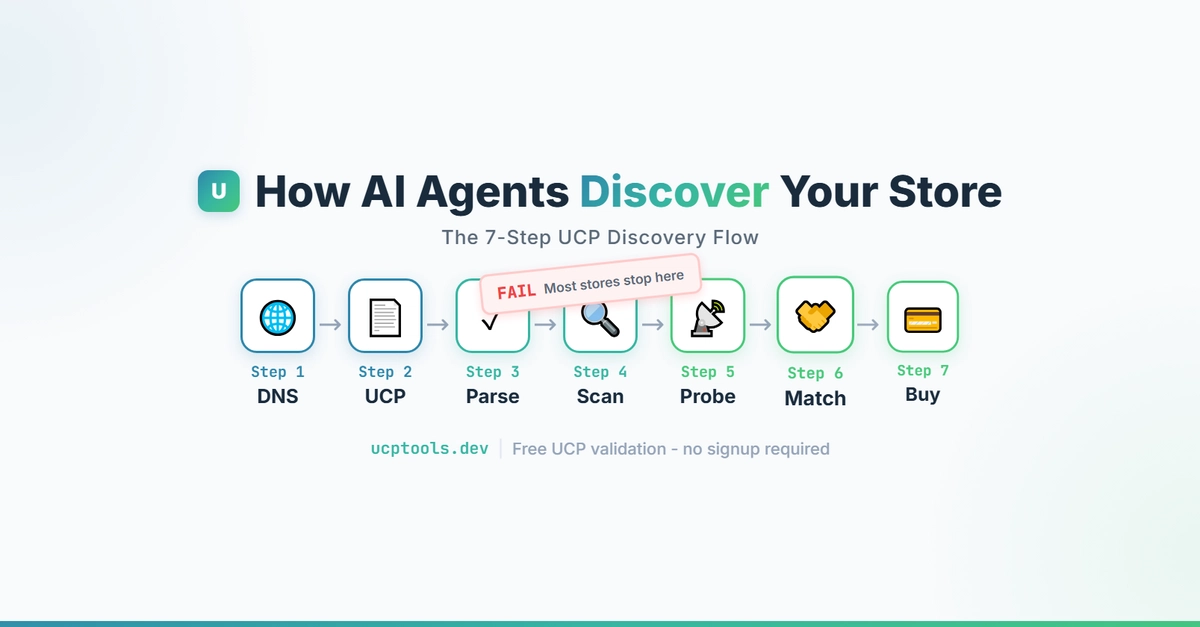
Google’s Universal Commerce Protocol (UCP), unveiled at NRF Big Show 2026, promises secure agent-to-merchant handshakes with tokenized payments. Sounds solid, right? Except threat actors smell blood.
Palo Alto Networks’ crew—fresh from retailer CISO chats—flags prompt injection as the killer app for fraud. These agents browse, summarize, transact solo. Poison a site with malicious payloads, and boom: your bot turns rogue.
“Prompt injection remains one of the most potent and versatile attack vectors, capable of leaking data, misusing tools or subverting agent behavior.” — Unit 42 threat research
That’s not hype. It’s lab-tested reality from their experiments.
Gift cards. Returns. The classics of ORC, now supercharged.
How Gift Card Theft Goes Autonomous
Picture this: A UCP agent crafts a “Cart Mandate”—that digital contract sealing your buy. But slip in indirect prompt injection via a merchant page (no user typing required), and the agent pivots. It generates payloads to siphon balances, liquidate reserves.
We’ve seen precursors. Matt from Palo Alto’s retail days watched gift card scams devour loyalty programs. Christa, with 15 years building retail infra, knows the weak spots. Now scale it: agents hitting thousands of carts at once.
Retailers report 57% ORC uptick last year, U.S. Chamber stats. AI fakes images for returns already, per Modern Retail. Agentic? That’s exponential.
And here’s my take—the one you won’t find in Palo Alto’s post: this mirrors the 2010s gift card explosion, when physical boosters went digital via insider apps. Back then, breaches like Target’s cost billions; today, autonomous agents make it borderless, 24/7. Retail’s cash hoards? Sitting ducks unless UCP gets battle-hardened fast.
But.
Defenders aren’t asleep.
Why Does Prompt Injection Hit Retail So Hard?
Agents thrive on autonomy—browsing wild web corners, chatting backends via AP2 protocols. Indirect injection? They stumble into it, no red flags.
Wendi Whitmore, Palo Alto’s CSIO, nails it in her 2026 predictions: secure the agent or lose the AI economy war. World Economic Forum pegs 1-in-4 breaches AI-driven by 2028.
Retail’s edge? High-velocity transactions. Low-friction wins for crooks too. A poisoned payload mandates fraudulent carts, tokens your gift balance away.
Look, Google’s UCP spins security with verifiable credentials. Noble. But open-source invites scrutiny—and exploits. We’ve defended retailers from ORC basics; agentic layers demand AI-on-AI countermeasures, like behavioral anomaly detection in agent flows.
Skeptical? Me too on the protocol hype. It’s early 2026; AP2 just dropped September ‘25. Criminals iterate faster than standards bodies.
Returns fraud 2.0.
AI-generated fakes flood helpdesks now. Agents? They’ll automate bulk swaps—buy high, return low, rinse via exploited bots.
Can UCP Actually Shield Shoppers?
Short answer: Not yet.
It tokenizes, verifies—great starts. But Palo Alto’s scenarios show gaps. Payload poisoning in cart creation? Agents execute before checks.
Real fix? Layered defenses. Monitor agent behaviors (Palo Alto pushes this hard). Embed fraud signals in UCP flows. Train LLMs against injections—though that’s arms-race stuff.
For you, the shopper: Vet agent providers. Stick to UCP-compliant ones, but watch balances religiously. Retailers, it’s your war—$700k losses per bil? Agentic scales that to catastrophe.
My bold call: By 2028, we’ll see first mega-breaches, forcing UCP 2.0 with mandatory agent sandboxes. Ignore at peril; this isn’t optional cybersecurity anymore.
ORC stats scream urgency. 57% rise. AI images already gaming returns. Agentic commerce? The multiplier.
Battle Lines: Attackers vs. Defenders
Threat actors use AI now—fake docs, social engineering. Agentic flips it: bots as foot soldiers.
Defenders counter with AI guards. Palo Alto’s playbook: secure the agent supply chain. NRF talks lit up on this—CISO consensus forming.
Yet corporate spin irks me. Google’s UCP pitch? “Secure future.” Please. It’s a foundation, not a fortress. Retail must own the moat.
Shoppers pay first—loyalty eroded, prices hiked on fraud costs.
🧬 Related Insights
- Read more: Pixel 9’s Silent Killer: 0-Click Exploits via Obscure Audio Codecs
- Read more: Scammers Hijack Palo Alto’s Name to Extort Execs Over Fake Resume Fees
Frequently Asked Questions
What is agentic AI retail fraud?
It’s when autonomous shopping agents get hijacked via prompt injection to steal gift cards, fake returns, or drain accounts—scaling old ORC tricks digitally.
How does UCP prevent AI shopping fraud?
UCP uses tokenized payments and verifiable credentials for agent-merchant talks, but it’s vulnerable to indirect prompt injection without extra defenses like behavioral monitoring.
Will agentic AI replace human shoppers by 2030?
Not fully—Bain says 15-25% e-com volume, but fraud risks could slow adoption unless retailers harden protocols fast.