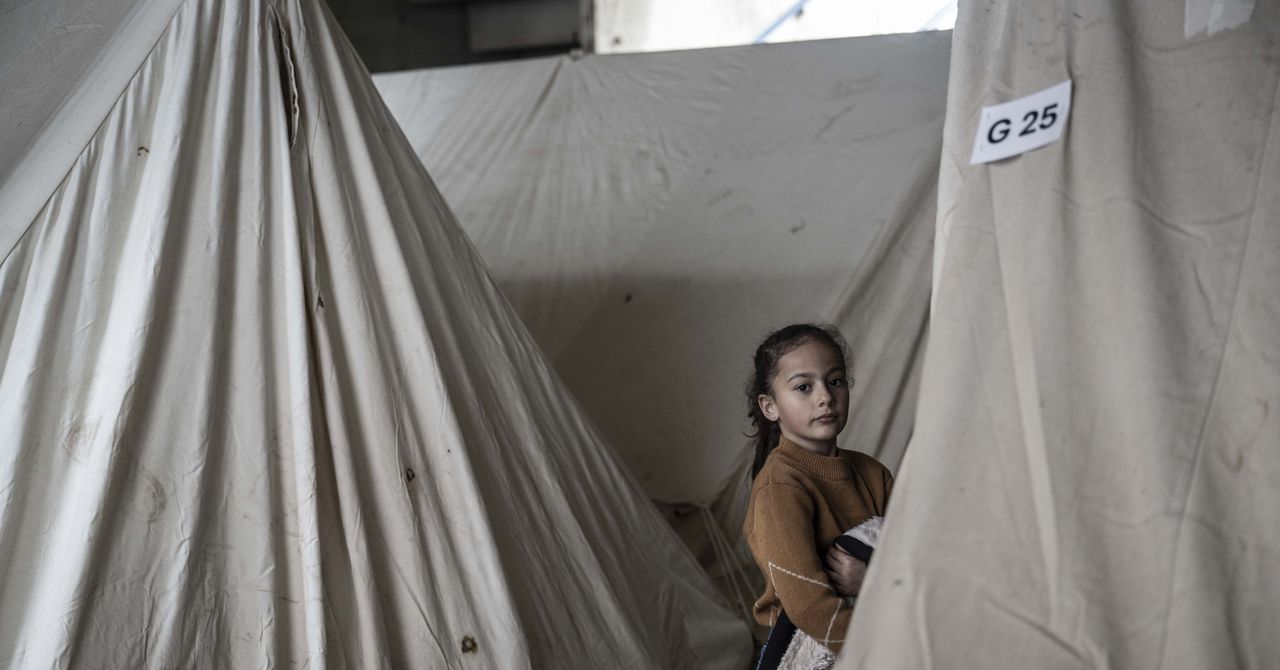
A frantic mother in Beirut swipes her phone. Not for groceries yesterday. Today? Diapers, rice, a tent. One million displaced since March, Israeli strikes shattering homes in the south, families cramming into relatives’ apartments or huddling in cars under olive trees. Infrastructure? It’s a ghost.
Zoom out: This isn’t just tragedy—it’s a fintech revolution exploding in real time. Digital wallets, those unassuming apps, are pumping emergency cash from the diaspora straight to the frontlines. No banks. No borders. Just instant peer-to-peer magic, turning smartphones into lifelines. Lebanon’s remittance river—$6-7 billion a year, a third of GDP—now surges through these channels, dodging the 11% fees that choke traditional wires.
Here’s the thing. When hell breaks loose, trust evaporates. Banks froze deposits years ago during Lebanon’s collapse. Public institutions? Distrusted, per that Economic Research Forum study—except the army. So aid skips the middlemen, landing in apps like Whish Money, born from gift cards but now a beast with 2 million users across 110 countries.
Whish Money’s origin story hits like a plot twist. Cofounder Toufic Koussa kicked it off in 2007, digitizing retailer gift cards on demand. Fast-forward (sorry, can’t help it), and it’s remittances, P2P transfers, full financial rails—especially wired to U.S. banks, letting expats link accounts directly to Lebanese wallets.
Why Are Digital Wallets Exploding in Lebanon’s Chaos?
Picture this: Traditional aid? Trucks bogged in checkpoints, NGOs tangled in bureaucracy. Digital wallets? Boom—funds hit in seconds. Jad Essayli, that Lebanese lawyer, raised $65k in 10 days via social media, funneling it through Whish. “We started off from the fact that we wanted to disrupt the distribution of gift cards,” Koussa told reporters, but now it’s survival infrastructure.
Displacement warps spending. Grocery runs balloon from $200 to stockpiles for the unknown. Ramadan and Eid juice inflows, sure—but donors worldwide smell the urgency. Koussa spots it: “Yes, there is an increase… people wanting to donate.”
“These informal inflows are captured by the formal BDL figures and constitute around 70 percent of the inflows during the crisis,” the UNDP added.
That’s the stat that stops you. Seventy percent—grassroots, app-fueled, invisible to old systems.
My unique take? This echoes M-Pesa’s Kenyan earthquake in 2007—no, wait, its quiet quake. Back then, mobile money bypassed corrupt banks, slashing poverty by letting farmers sell crops directly. Lebanon? Same script, but wartime velocity. Bold prediction: By 2030, 80% of global humanitarian aid will route through wallets like these—decentralized, trusted, unstoppable. Forget UN trucks; it’s grandma in Detroit Venmo-ing her cousin’s groceries.
When Banks Fail, Who Wins?
Unbanked worldwide: 1.4 billion, World Bank screams for inclusion. Lebanon? Ground zero. Platforms fill the void—P2P tops charts, remittances chase. Influencers turn fundraisers, posting receipts like battle reports. It’s messy, yeah—scams lurk—but transparent enough to beat cash mules dodging borders.
Koussa nails the shift: Bigger buys, uncertainty hoarding. Cars as homes mean fuel top-ups via app. Syria’s 130k refugees? Same desperation, cross-border wires.
But here’s the hype check—Whish isn’t flawless. Evolved from gift cards? Cool origin, but scaling warzone trust demands ironclad security. They’re connected to U.S. rails—smart—but what if regulators sniff money laundering? (They won’t say.)
Grassroots rules this round. No government saviors. Personal networks—ex-colleagues DMing wallet links—kept folks from starving in 2024’s attacks too. Social feeds? Donation hubs, receipts as proof.
The Future: Wallets as Global Aid OS?
Energy surges here. This isn’t patch—it’s platform shift. Like iOS redefined phones, digital wallets redefine crises. Instant. Inclusive. (Underbanked rejoice.) Wonder hits: What if AI layers on, predicting needs via transaction data? Futurist me sees it—wallets evolving into smart aid brains.
Skepticism lingers, though. Informal = risky. Trust influencers? Dicey. Yet data screams success: Billions flowing, lives sustained.
Lebanon’s proving it. Fintech doesn’t just bank the unbanked—it saves them.
🧬 Related Insights
- Read more: Hyperliquid’s Stealth Assault: How a DeFi Upstart Grabbed 6% of Perps from CEX Giants
- Read more: Argentine Banks Dodge Crypto Ban to Test JPM Coin’s Settlement Promises
Frequently Asked Questions
What are digital wallets doing for Lebanon aid?
They’re delivering instant cash from abroad to displaced families, bypassing broken banks—think Whish Money handling P2P transfers and remittances for essentials.
How much aid is flowing through digital wallets in Lebanon?
Remittances hit $6-7B yearly (1/3 GDP), with 70% informal crisis inflows via apps like Whish, PayPal—spiking now with displacement.
Is Whish Money safe for crisis donations?
Built for unbanked with U.S. bank links, it’s trusted locally—but verify fundraisers, check receipts, as scams shadow any grassroots boom.