Forty-two invites to a payments service. A celebrity auction. A $42 payment sent via sci-fi reference. This isn’t how fintech companies typically go to market—but then again, X Money isn’t a typical fintech play.
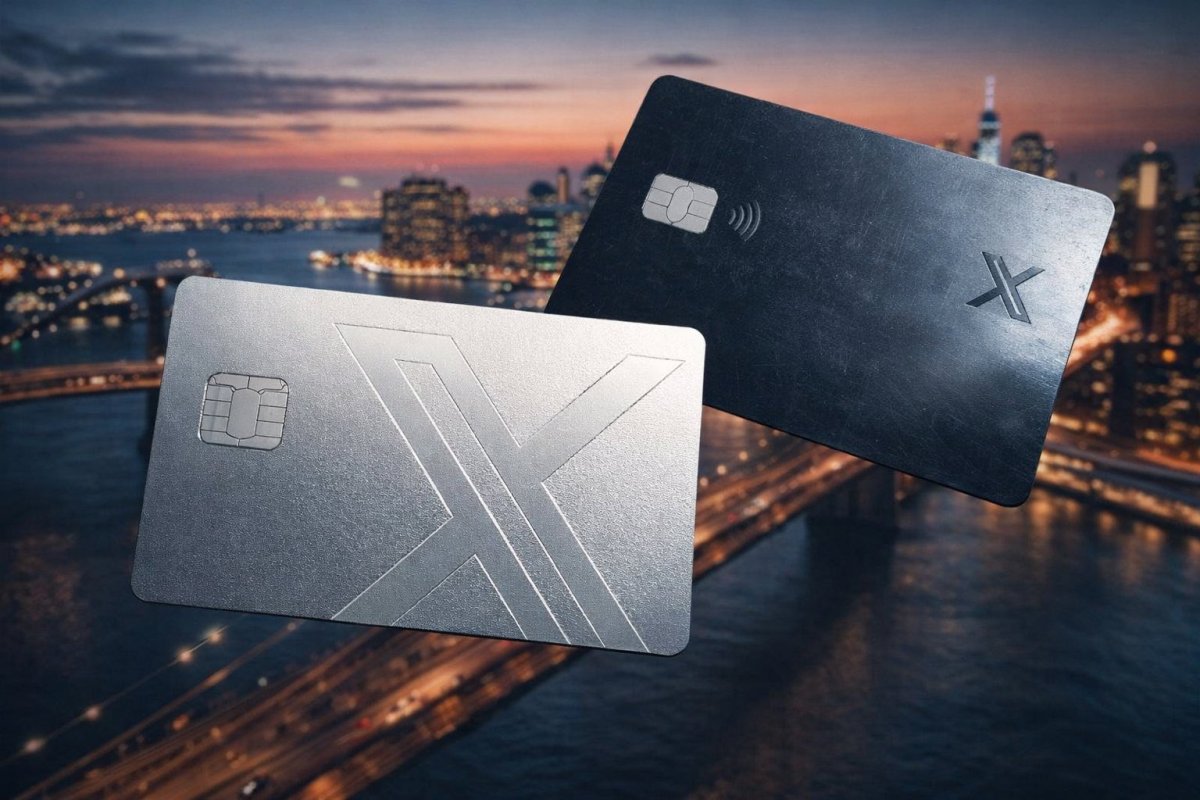
Elon Musk has just handed out the first wave of beta invites to X Money, his long-gestating payments service, through an auction conducted by William Shatner. Winners who donated $1,000 to the actor’s charity supporting children’s and veterans’ organizations get early access to the app, plus a metal Visa debit card emblazoned with their X username. It’s unconventional. It’s also oddly genius.
This isn’t just celebrity marketing theater—though it absolutely is that too. What’s happening here is something more architecturally interesting: Musk is testing whether X can function as an “everything app” that doesn’t need to fight for users the way traditional fintech startups do. He already owns the distribution network. He just needed a hook.
Why Does Musk Keep Returning to Payments?
There’s a through-line here that goes back nearly 25 years. In 1999, Musk founded X.com, an online financial services startup. It merged into Confinity, which eventually became PayPal. When he acquired Twitter in 2022 and rebranded it as X last year, he wasn’t just picking a random letter—he was signaling a return to an old obsession.
“X Money itself is not an FDIC-insured bank, but it has been racking up money transmitter licenses across the U.S. X now has licenses in over 40 U.S. states.”
That’s the operational backbone nobody’s talking about. While the Shatner auction grabbed headlines, X has quietly been grinding through the regulatory gauntlet, securing money transmitter licenses in 40+ states. This matters because it’s the unglamorous, months-long work that separates real fintech ambitions from vaporware.
Is X Money Actually Going to Challenge Venmo?
Maybe. Here’s the catch: Venmo, PayPal, and Cash App all built their user bases by solving a specific problem first (peer-to-peer payments), then expanding. X Money is doing the inverse. It’s launching into a platform that already has 500+ million monthly users and asking them to adopt a new financial service.
That’s either a massive advantage or a massive liability, depending on execution.
The leaked screenshots show the expected functionality—Account, Rewards, and Activity tabs, deposit options, direct deposit for APY (up to 6.00%, apparently), and peer-to-peer transfers. Your deposits sit with Cross River Bank, FDIC-insured up to $250,000. It looks functional. It looks fine. It doesn’t look revolutionary, which might actually be the point.
But here’s where the architecture matters: X Money could spin off into its own app, just like X Chat recently did. That would let Musk build a standalone competitor to Cash App without the baggage of being tethered to the social network. Instead of relying on network effects (the reason TikTok became a financial powerhouse in China), X Money would be banking on brand trust and Musk’s peculiar charisma.
The Shatner Auction: Marketing or Strategy?
Look, the $42 payment to Shatner (a reference to “The Hitchhiker’s Guide to the Galaxy”) and the matching number of invites (42) feel like Musk being cute. And they are. But don’t mistake the performative part for the entire strategy.
What Musk has done here is solve a real cold-start problem. Fintech apps need early adopters—people willing to link their bank accounts, test the transfers, and provide feedback. Paying $1,000 to Shatner’s charity to get 42 of them is actually a rational customer acquisition cost when you factor in the publicity. It’s a $42,000 marketing spend that generated headlines across fintech media, crypto discourse, and mainstream tech coverage.
The auction also selects for a specific user archetype: people with disposable income, charitable inclinations, and enough X platform engagement to know about the opportunity. Those are exactly the users who’ll evangelize the service early.
The Bigger Picture: Everything App Economics
Musk’s “everything app” vision isn’t new—WeChat and Alipay proved it works in Asia. But it hasn’t succeeded in the U.S. yet. PayPal tried and fumbled it. Square pivoted away from the vision. Apple Pay never went there. The barriers are regulatory, operational, and cultural.
X Money changes the economic math slightly. If Musk can get even 10% of X’s user base to link a bank account and run transactions through X Money, the payment volume alone becomes a financial powerhouse. Not quite banking—but close enough to matter.
The debit card from Visa matters here too. It’s not X creating its own payment infrastructure; it’s Visa outsourcing the card-issuing to a third party (X/Musk) to gain access to X’s platform. That’s a signal that traditional fintech infrastructure partners are willing to integrate with Musk, regulatory friction be damned.
What Happens Next?
Musk told staff in February that X Money would hit limited external beta in “a month or two,” then go worldwide. We’re past that timeline now, but the Shatner auction suggests the broader rollout is imminent. Expect to see a full standalone app within the next quarter. Expect Musk to make it weird—custom features, weird naming conventions, strange integrations with X’s creator economy or subscription model.
The real test isn’t whether X Money works technically. The test is whether a fintech service can succeed without being primarily a fintech service. Whether it can piggyback on social network effects and brand loyalty to capture a genuine financial services user base.
If it does, we’re looking at a fundamental architectural shift in how financial services get distributed. If it doesn’t, we’re looking at expensive validation that Venmo’s path was the right one all along.
Either way, the Shatner auction tells us Musk isn’t treating this as a sideproject anymore.
🧬 Related Insights
- Read more: Bitcoin’s Consolidation Trap: Why Bearish Bets Are Rising Even as Altcoins Rally
- Read more: Coinbase’s AI Payments Protocol x402 Just Got the Tech Giants’ Blessing—Here’s Why It Matters
Frequently Asked Questions
What is X Money and how do I get access?
X Money is Elon Musk’s payments service launching on X (formerly Twitter). It offers peer-to-peer transfers, direct deposit with APY, and a Visa debit card. Early access requires winning an auction (starting at $1,000 donations) or waiting for public beta rollout, expected soon.
Does X Money replace my bank account?
No. X Money is a payments app partner with Cross River Bank for deposit insurance. You’d use it for transfers and spending, but it’s not a full banking replacement—though Musk’s long-term vision suggests that direction.
Why did Elon Musk pay William Shatner $42?
It’s a “Hitchhiker’s Guide to the Galaxy” reference—the book’s answer to life, the universe, and everything is 42. Musk matched this with 42 beta invites in the charity auction. It’s both a joke and a marketing hook.
