Ever wonder why your lights flicker during a ‘storm,’ but nobody quite pins it down?
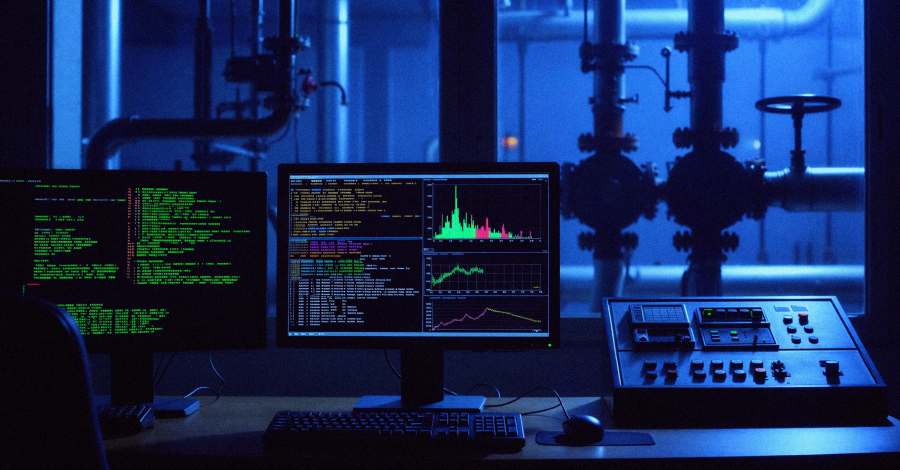
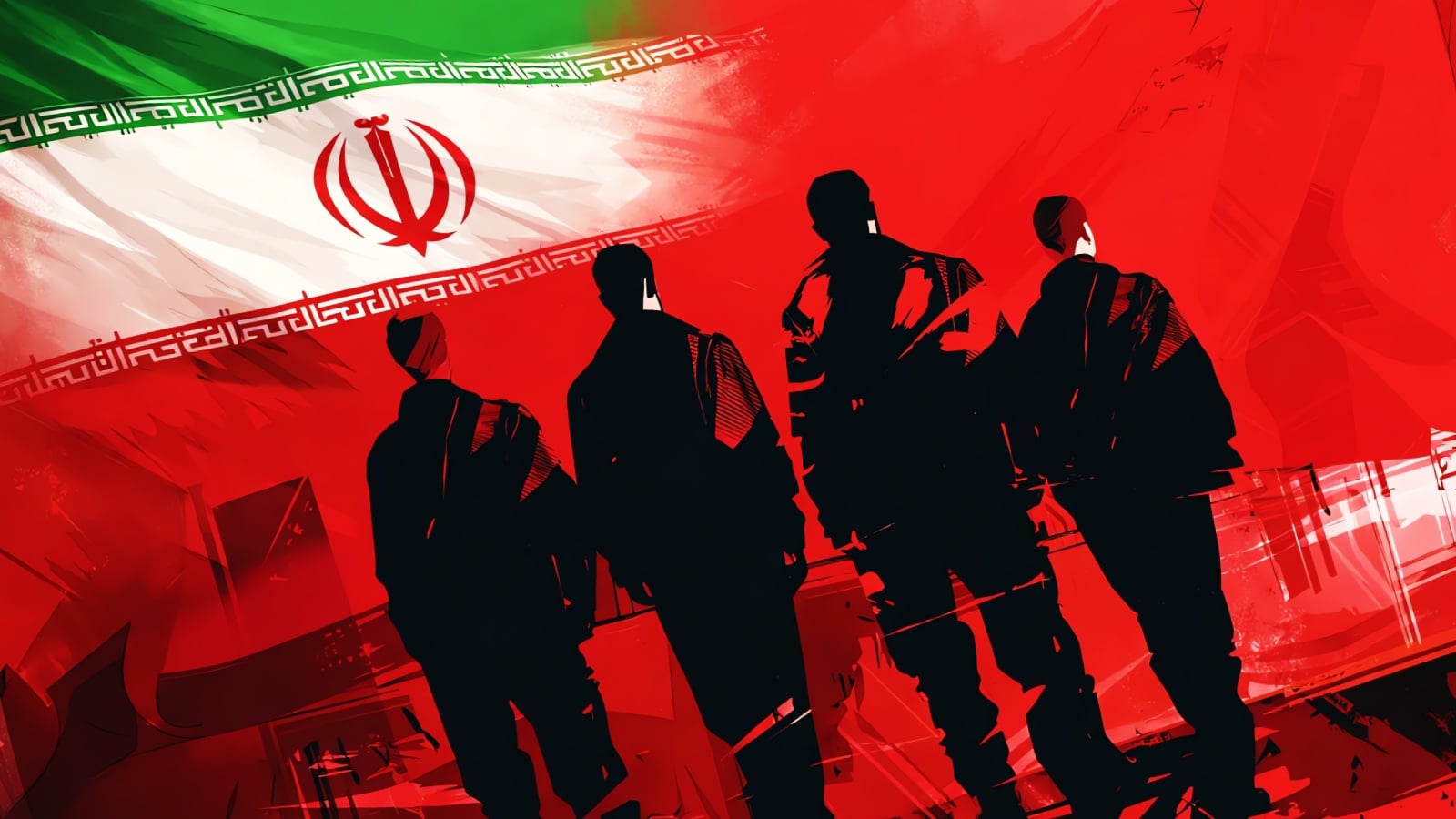
Iranian hackers targeting critical infrastructure just got a fresh U.S. government warning—straight from the FBI, CISA, NSA, and a half-dozen other agencies. They’re zeroing in on internet-exposed Rockwell and Allen-Bradley programmable logic controllers, those PLCs that actually run the show in factories, power plants, and water treatment facilities. Since March 2026—no, that’s not a typo, these attacks are ramping up now—these probes have caused real headaches: financial hits, operational snarls across government facilities, wastewater systems, energy ops.
“The FBI assesses a group of Iranian-affiliated APT actors are targeting internet-exposed PLCs with the intent to cause disruptions—including maliciously interacting with project files, and manipulating data displayed on HMI and SCADA displays—to U.S. critical infrastructure organizations,” the advisory warns.
That’s not hype. It’s a direct quote from the joint bulletin dropped today. These aren’t script kiddies; it’s state-backed APTs, likely pissed off over U.S.-Israel tensions. They’ve yanked project files, fiddled with human-machine interfaces, made SCADA screens lie. Imagine your water plant’s gauges showing clean flows when they’re not—or worse.
But here’s the thing.
We’ve been here before. Remember CyberAv3ngers? That IRGC-linked crew from late 2023, hitting Unitronics PLCs in water systems? They compromised 75 devices by early 2024, half in wastewater networks. Water utilities—lifelines—left wide open. And now, a year later, same playbook, different hardware.
Why Are These PLCs Still Hanging Out on the Public Internet?
Look, I’ve covered enough vendor roadshows to know: PLCs like Rockwell’s are tough beasts, built for industrial guts, not web surfing. Yet here we are, 2024, and critical ops expose them online. Why? Lazy configs from the ’90s? Budget-strapped IT teams patching OT networks with duct tape? Or vendors who profit from ‘easy setup’ wizards that skip firewalls?
The advisory spells it out: disconnect ‘em from the net, or wrap in firewalls. Scan for IOCs—they list ‘em. Watch OT ports for sketchy traffic, especially from overseas hosts. MFA on OT access (yeah, OT admins hate it, but suck it up). Firmware updates. Kill unused services, default keys.
Simple? Sure. Done? Apparently not.
And get this—last month, Handala hacktivists (Iran-linked, pro-Palestine crew) nuked 80,000 Stryker devices. Mobiles, PCs, gone. FBI ties MOIS hackers to Telegram malware drops. It’s not isolated; it’s a barrage.
Who’s Cashing In While the Grids Sweat?
Follow the money, always. Rockwell Automation? Their gear’s everywhere, but so are the vulns. A quick pentest shows paths galore; breach simulation tools prove controls fail. Vendors hawk ‘secure by design’ now—post-breach, of course. Consultants swarm with BAS platforms, whitepapers on ‘validation surfaces.’ (Six of ‘em, apparently, per some promo at the end of the advisory. Smells like ad space.)
But the real winners? Nation-states probing for weak spots. Iran’s not launching Stuxnet 2.0 yet—that was their masterclass in 2010, flipping centrifuges. No, this is recon. Map the terrain. Test reactions. My bold call: expect hybrid hits by 2025. Cyber plus drones, timed for election chaos or Middle East flare-ups. We’ve seen Russian playbook; Iran’s iterating fast.
Skeptical? Me too—of the response. Agencies bark advisories yearly. Utilities nod, then OT stays exposed because downtime costs millions hourly. Who’s enforcing? CISA’s nudges ain’t fines. EPA, DOE involved here—environmental angle on water hacks? Smart, but toothless.
Picture a Friday night. Operator sips coffee, HMI blinks wrong pressure readings. Pump fails. Flood. Or grid brownout in a swing state. Not sci-fi; playbook-tested.
Energy sector’s sweating bullets—already hit. Government facilities? Sloppy. Water? Perennial soft spot.
Is This Escalation Tied to Bigger Geopolitics?
Damn right. Advisory nails it: campaigns escalated post-hostilities. Iran-U.S.-Israel triangle’s red-hot. Proxy wars bleed into bits. Remember 2023’s Unitronics water hacks? Defaced HMIs screaming ‘You have been hacked by CyberAv3ngers.’ Message sent.
Unique angle nobody’s pushing: this mirrors Cold War submarine cat-and-mouse. Subs bumped hulls, tested sonar. Now, packets probe PLCs. Not war—yet—but positioning. U.S. response? More alerts. Where’s the counter-offensive in Iranian OT?
Defenders, listen up. That IOC list in the advisory? Gold. Traffic from Iran VPS? Block it. Logs screaming anomalous PLC pings? Act. But root it: segment OT from IT, finally. Use protocol gateways, not direct pipes.
I’ve grilled CISOs at Black Hat for decades. Common thread: ‘OT security’s different.’ Bull. It’s networked; it’s hackable. Time to treat it like crown jewels.
And the Telegram malware angle? MOIS slinging payloads via channels. Social engineering 2.0—don’t click, folks.
What Happens If They Flip the Switch for Real?
Disruptions so far: minor. But scale it. Coordinated PLC tweaks across a region? Blackouts, tainted water, halted ops. Financials? Billions. Lives? Maybe.
Prediction: by mid-2025, a major incident pins on these actors. Headline: ‘Iran Cyber Strike Hits U.S. Grid.’ Markets tank utilities. Biden 2.0 (or whoever) slaps sanctions. Cycle repeats.
Cynical fix? Mandate air-gapped OT for criticals. Subsidize it. Fine exposures. But Congress? Dream on.
Bottom line: this advisory’s a flare. Ignore at peril.
**
🧬 Related Insights
- Read more: Windows 11 Admin Protection Bypassed—Nine Times Over
- Read more: Google Cloud Authenticator: The Cloud Brain Powering Your Passwordless Future — And Its Sneaky Vulnerabilities
Frequently Asked Questions**
What are Iranian hackers targeting in US critical infrastructure?
Internet-exposed Rockwell/Allen-Bradley PLCs in energy, water, government sectors. They’re extracting files, tweaking displays for disruption.
How do I protect my PLCs from these attacks?
Disconnect from internet, firewall up, MFA, firmware patches, monitor OT traffic per CISA IOCs.
Is this linked to recent Iran-US tensions?
Yes—advisory says escalated campaigns respond to hostilities with US and Israel.