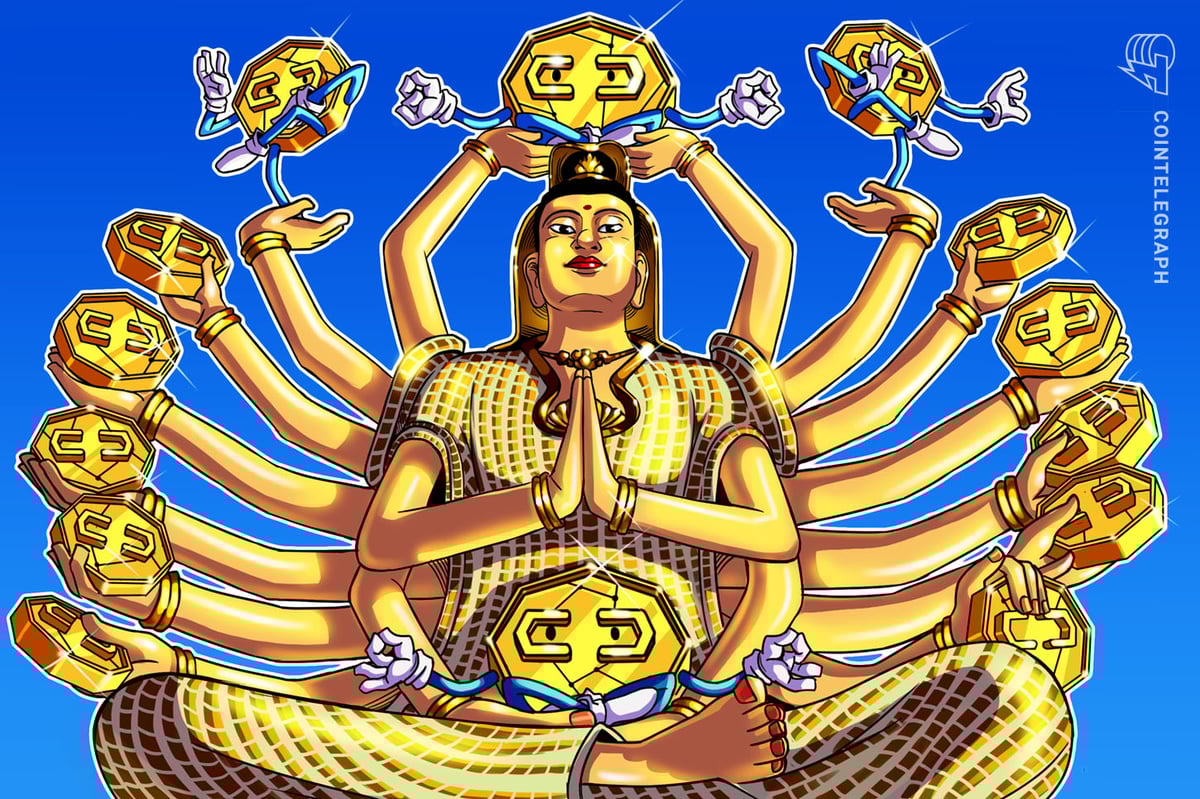
What if the one asset propping up crypto’s wild dreams just got a government chokehold?
Yeah, that’s the US Treasury stablecoin rules we’re talking about today. The sanctions agency — that’s OFAC — and FinCEN dropped a joint proposal that’s got issuers sweating. Stablecoins, those dollar-pegged darlings like USDT and USDC, handle billions in daily volume. But here’s the rub: they’re perfect for dodging sanctions or washing dirty money. Or so the feds say.
Look, I’ve covered enough Valley hype cycles to know when Washington’s circling. This isn’t some feel-good reg. It’s a targeted strike.
The U.S. Treasury’s sanctions agency and its financial crimes bureau released a joint rule proposal for stablecoin issuers.
Short and sweet, right? But unpack it, and it’s a beast. Issuers now face mandatory reporting on transactions over certain thresholds — think $10k, like old-school wire rules. They’ll need to verify users, freeze assets on command, and prove reserves aren’t smoke and mirrors.
And.
This hits right after Tether’s endless FUD storms. Remember those NYAG settlements? Same vibe, but national scale.
Who Actually Benefits from Treasury’s Stablecoin Grip?
Big players. Circle, with its USDC halo, probably high-fives in private. They’ve been compliance nerds forever — KYC baked in, audits galore. Paxos too. But the offshore cowboys? Tether’s sitting on a $100B+ market cap empire built on opacity. These rules scream ‘get in line or get out.’
Here’s my unique take, one you won’t find in the press release spin: this mirrors the post-9/11 Patriot Act playbook on remittances. Back then, Western Union got fat while mom-and-pop hawaladars vanished. Fast-forward 20 years, and we’re repeating history. Compliant giants consolidate; innovators scatter to Dubai or die.
Small issuers? Screwed. Compliance costs — lawyers, tech, endless audits — could eat 20-30% margins. Who pays? Users, via fees or shittier yields.
But wait, there’s optimism?
Nah. Not from this vet.
Silicon Valley loves to cry ‘regulation kills innovation.’ Bullshit. It killed dumb innovation. Remember FTX? Sam Bank’s clown show laundered via stablecoins. These rules might actually clean house — if enforced.
Will US Stablecoin Rules Kill DeFi’s Golden Goose?
DeFi thrives on stablecoins. Uniswap swaps, Aave borrows — all pegged to Tether or USDC. Freeze one wallet, and poof, trust evaporates. The proposal mandates ‘effective controls’ for sanctions screening. Translation: issuers become deputized cops.
Picture this sprawling nightmare: You’re a Ukrainian refugee bridging funds via stablecoins to dodge Russian blocks. Legit use. But OFAC flags a false positive? Frozen. Chaos.
Or worse — adversarial nations like North Korea, already hacking chains, pivot to non-compliant coins. Rules drive activity underground, not away.
I’ve seen it before. Dodd-Frank after ‘08 didn’t stop shadow banking; it just rebranded it. Expect the same: ‘regulated’ stablecoins for normies, wild-west ones for whales.
Treasury claims it’s about ‘national security.’ Fine. But who’s making money? Not users. Not devs. Banks salivate — tokenized deposits incoming, minus the crypto mess.
Why Stablecoin Issuers Are Quietly Freaking Out
Publicly? Crickets, or milquetoast support. Privately? Panic. Comment period’s open till early 2025. Expect lobbying blitzes. Binance.US, Coinbase — they’ll push carve-outs for ‘good actors.’
Costs skyrocket. Real-time screening tech ain’t cheap. Integrate Chainalysis? Millions. And reserves? Monthly attestations won’t cut it; they’ll demand real-time proofs.
Skeptical me asks: enforcement teeth? FinCEN’s understaffed. OFAC’s busy with Russia, Iran. This could be paper tiger — big bark, no bite.
Yet history says otherwise. Remember Binance’s $4B plea? Regs bite when they wanna.
One punchy truth: stablecoins aren’t ‘stable’ without trust. These rules rebuild it — on Uncle Sam’s terms.
Developers, brace. Forked chains, privacy layers like Tornado Cash 2.0 — incoming.
But the real winners? TradFi. JPMorgan’s JPM Coin smirks from the sidelines, fully compliant.
How Global Is This Stablecoin Shakeup?
Not just US. EU’s MiCA already live, Singapore tightening. But America’s the gorilla — 70% of stablecoin volume USD-pegged. Rules ripple worldwide.
Tether, based in BVI, might shrug. But US users? Exchanges delist non-compliant. Volume craters.
Prediction: market share flips. USDC to 60% dominance by 2026. Tether shrinks or spins off US ops.
Cynical? Yeah. But 20 years in, I’ve bet against hype every time.
Issuers, adapt or perish.
🧬 Related Insights
- Read more: Freedom Bank Bets on InvestiFi to Fuse Banking and Investing
- Read more: Coinbase’s AI Payments Protocol x402 Just Got the Tech Giants’ Blessing—Here’s Why It Matters
Frequently Asked Questions
What are the US Treasury’s proposed stablecoin rules?
Joint proposal from OFAC and FinCEN requires issuers to report high-value txns, verify users, screen for sanctions, and prove reserves — all to curb laundering and evasion.
How will stablecoin regulations impact crypto prices?
Short-term dip on uncertainty, but long-term, compliant coins rally as trust builds; expect USDC gains, Tether pain.
Do these rules ban stablecoins?
No, they regulate them like banks — KYC, reporting, freezes — to fit into the financial system.