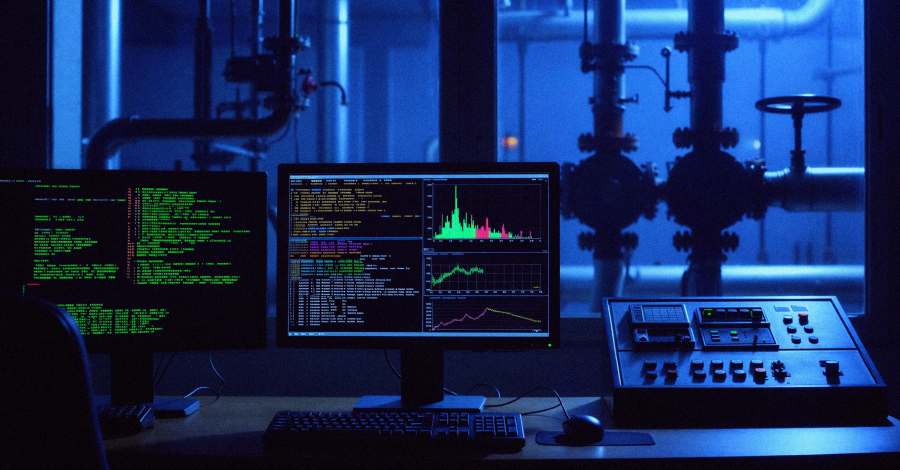
Lights flicker. Alarms blare in a Manchester factory at 3 a.m.—turbines seized, production lines frozen solid, all because some invisible intruder slipped into the operational technology backbone.
That’s no sci-fi thriller. It’s the pounding reality for 80% of UK critical national infrastructure (CNI) firms facing downtime costs from £100,000 to a gut-wrenching £5m per OT cyber-attack, fresh data from e2e-assure screams.
Why OT Downtime Could Bankrupt Your Favorite Utility
These aren’t your garden-variety IT hacks stealing credit cards. OT—think the digital nerves pulsing through power plants, rail signals, water pumps—when it goes dark, the physical world stumbles. E2e-assure quizzed 250 cybersecurity bosses across manufacturing, energy, utilities, transport, even retail. Punchline? 23% of OT outages scorch over £1m, 6% blast past £5m.
Fear’s thick in the air. Nearly two-thirds—64%—dread nation-state strikes. And here’s Rob Demain, e2e-assure’s CEO, nailing it:
“This fear reflects a shift in how cyber-threats are being used, not just for data theft and monetary gain, but to disrupt operations and apply strategic pressure against critical services such as energy, transport and manufacturing.”
Spot on. IT breaches? Embarrassing emails leaked. OT? Machines grind to halt, safety protocols glitch—lives hang in balance.
Picture the human cost: engineers scrambling in hard hats, executives sweating boardroom calls as revenues evaporate. It’s like yanking the plug on a heart monitor—immediate, visceral chaos.
Is Iran Poised to Flip Britain’s Switches?
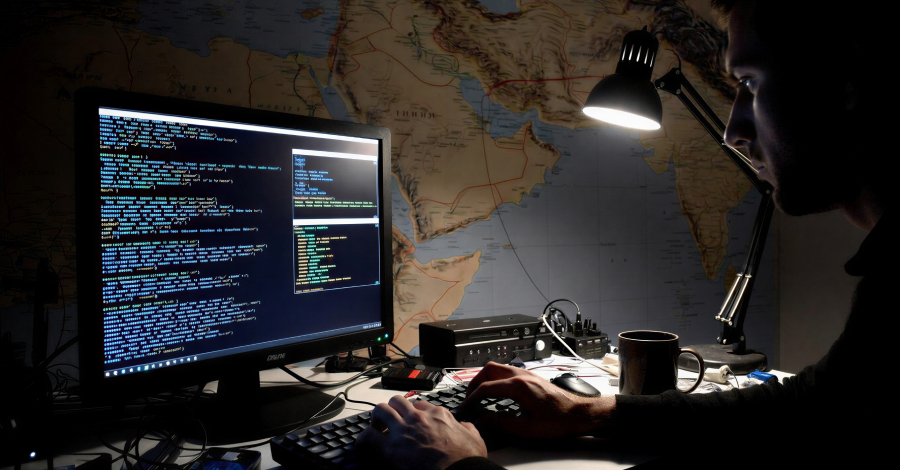
Tensions spiked lately. US-Israel strikes on Iran? Hackers from Tehran aren’t Russia’s horde or China’s swarm, but they’ve crashed parties before—hijacking CNI nets with ruthless precision.
Five Eyes just dropped a bombshell: Iranian crews password-spraying and MFA-bombing for a year straight, worming into healthcare, government, engineering, energy. UK’s own Intelligence and Security Committee? Blunt last year: “it is unlikely that all UK entities are able to detect or defend against Iranian offensive cyber activity.”
And here’s my hot take, one you won’t find in the press release spin: this echoes Stuxnet’s ghost from 2010, that US-Israel worm shredding Iran’s nukes. Back then, OT was a playground. Today? Iran’s plotting payback, but with AI-amplified phishing bots making entry child’s play. Bold prediction—we’ll see the first AI-orchestrated OT blackout in Europe by 2026, turning factories into silent tombs.
Nation-states love the pivot play: phish IT creds, slink to OT shadows. E2e-assure flags it—visibility’s a joke. 44% barely glance at OT traffic. 31% spot breaches in 12 hours (optimistic), but 10% of big firms? Over a year to clean house.
Supply chains? Ticking bombs. 21% of mid-sized outfits ate four-plus third-party hits last year. Rep damage (25%), revenue bleed (20%)—small firms even lose staff (37%). It’s a cascade: one weak vendor, and your grid’s toast.
How Exposed Are These OT Nervous Systems?
OT gear? Ancient, chatty, blind to IT’s defenses. Like inviting wolves to a sheep farm with spotlights off. No segmentation, legacy protocols screaming “hack me”—it’s begging for disruption.
But wait—energy’s buzzing here. We’re on the cusp of OT’s renaissance. Imagine AI guardians, not firewalls, predicting attacks like weather forecasts, swarming defenses with machine-speed reflexes. That’s the platform shift: AI doesn’t just patch holes; it rewires the grid for tomorrow’s wars.
Still, skepticism reigns. E2e-assure’s poll reeks of a sales nudge—“buy our SOC-as-a-service!”—but numbers don’t lie. CNI’s asleep at the wheel.
Firms boast detection, yet remediation drags. Why? Siloed teams, IT-OT chasms wider than the Thames. Solution? Fuse ‘em—AI bridges that gap, turning data deluges into preemptive strikes.
And the wonder: secure OT isn’t lockdown; it’s liberation. Factories humming 24/7, grids unbreakable—human ingenuity plus silicon smarts conquering chaos.
What Happens When the Lights Stay Off?
Downtime dollars? Chump change next to ripple effects. Cities stalled, food spoils, hospitals triage by flashlight. 6% over £5m? That’s per incident—multiply by frequency, and sectors crumble.
Retail? Empty shelves. Transport? Gridlock hell. Energy? Blackouts breeding panic. It’s strategic warfare, minus the missiles.
My unique lens: this mirrors the 1970s oil shocks, but cyber-flavored. Nations weaponizing pipes and wires—UK’s vulnerability? A wake-up to forge AI-OT fortresses, or watch empires flicker out.
🧬 Related Insights
- Read more:
- Read more: AirSnitch: Wi-Fi’s Encryption Shield Cracked from the Inside
Frequently Asked Questions
What causes OT downtime in UK CNI firms?
Mostly nation-state hacks pivoting from IT via phishing or creds, hitting unmonitored OT nets—think Iran-style campaigns.
How much do OT cyber attacks cost CNI providers?
80% face £100k-£5m per hit; 23% over £1m, 6% exceed £5m, per e2e-assure’s poll.
Can UK CNI stop nation-state OT threats?
Tough—boost visibility, segment networks, deploy AI monitoring; most lag, taking months or years to remediate.