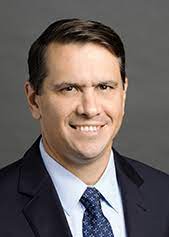
Todd Blanche just became interim Attorney General of the United States. That’s the headline. But here’s what should make you sit up: the same guy who, as deputy AG, authored a memo ordering prosecutors to stop going after crypto regulatory violations was sitting on somewhere between $159,000 and $485,000 in cryptocurrency when he signed that memo.
Let that sink in.
This isn’t political theater. This is what happens when the guardrails fail.
The Memo That Changed Everything
When Blanche stepped into the deputy attorney general role, he didn’t waste time. He ordered the dissolution of the DOJ’s National Cryptocurrency Enforcement Team—a unit created in 2022 specifically to tackle crypto crime and fraud. Then came the four-page memo: prosecutors were told, in no uncertain terms, to avoid pursuing regulatory violation cases in the crypto industry.
That memo wasn’t theoretical. It had real consequences. The Southern District of New York, one of the DOJ’s most aggressive offices, cited Blanche’s directive when it dropped charges against Tornado Cash developer Roman Storm. Storm was eventually convicted on different charges, but the regulatory case vanished.
“As deputy attorney general, Blanche ordered the disbanding of the DOJ’s National Cryptocurrency Enforcement Team… and signed a four-page memo ordering prosecutors not to pursue regulatory violation cases in the crypto industry.”
One memo. One decision. And suddenly, an entire category of enforcement—the kind that protects retail investors from getting fleeced—becomes off-limits.
Why This Conflict of Interest Matters (And Why Nobody’s Talking About It)
Here’s where it gets dark. According to government ethics disclosures and reporting from ProPublica, Blanche held substantial cryptocurrency positions—somewhere in that $159K to $485K range—when he signed the enforcement memo. He eventually transferred these holdings to his children and a grandchild, but that happened after he’d already made the call to shut down the unit designed to police his industry.
This violates federal ethics rules. Full stop. He was supposed to divest before working on crypto matters. He didn’t. He made policy anyway.
And now he’s in the top job.
The parallel that keeps haunting me: imagine if the head of the FDA, while holding $400K in pharmaceutical stocks, ordered his agency to stop investigating drug side effects—then claimed he divested before anyone noticed the papers. That’s the temperature of the room we’re in.
What Happens to Crypto Enforcement Now?
With Blanche elevated to interim AG, the landscape shifts seismically. The National Cryptocurrency Enforcement Team stays dismantled. Prosecutors across the country have already internalized the message: crypto regulatory cases are a waste of political capital. The deck is reshuffled, and the house always wins.
But here’s the thing—and this is where my futurist optimism kicks in—this concentration of power is actually making the dysfunction visible. You can’t hide a conflict of interest this blatant. It’s there, in government filings, in court documents, in the memo itself. The system isn’t broken; it’s just finally exposed. And exposure is the first step to redesign.
The bigger pattern: crypto has spent years lobbying for lighter regulation, and now it’s getting something far stranger—selective non-enforcement led by someone with direct financial stakes. That’s not deregulation. That’s capture. And capture always has an expiration date because it’s fragile. It only works if nobody’s watching.
Everybody’s watching now.
What Does This Mean for the Industry (And Everyone Else)?
In the short term, crypto companies and their investors just got a massive gift wrapped in bureaucratic language. Regulatory cases disappear. Enforcement priorities shift. The path is cleared.
But here’s the cost nobody’s pricing in: legitimacy evaporates. The crypto industry spent a decade trying to build trust with institutions. They got halfway there. Now? They’ve got a government that won’t enforce the rules because the government guy owns the same assets. That’s not a win. That’s a liability wearing a suit.
Retail investors—the ones who actually lose money in crypto scams and fraud—just learned something crucial: when the cops are invested in the same game, there are no cops.
🧬 Related Insights
- Read more: PayPal, Convera, and Nium Are Betting Big on Stablecoins—But Regulators Aren’t Done Writing the Rules
- Read more: Naoris Protocol’s Quantum-Resistant Blockchain Goes Live—But Bitcoin and Ethereum Still Aren’t Ready
Frequently Asked Questions
Will Todd Blanche actually enforce crypto laws as AG?
Unlikely in the near term. His memo already set the tone: avoid regulatory cases. As interim AG, his authority to set prosecutorial priorities is sweeping. That said, pressure from Congress, state AGs, and civil society groups could force his hand down the line.
Did Todd Blanche break ethics laws by holding crypto while signing the memo?
Yes, according to federal ethics rules and ProPublica’s reporting. He violated his pledge to divest before working on crypto matters. Whether the Justice Department investigates its own leadership? That’s the real question.
What happens to crypto enforcement at the federal level now?
It atrophies. The National Cryptocurrency Enforcement Team is gone. Field offices have already been signaled to deprioritize regulatory cases. Unless there’s external pressure, expect a sharp decline in white-collar crypto prosecutions.
Is this legal?
Technically, a president can appoint whoever they want as AG. Ethically? That’s a different conversation—and it’s one we’re having now.