Everyone figured developers thrived on the grind—hustle culture promised promotions, open-source glory, that next big commit. But this raw confession flips the script: being always on isn’t fuel; it’s poison seeping into your brain, your bed, your life.
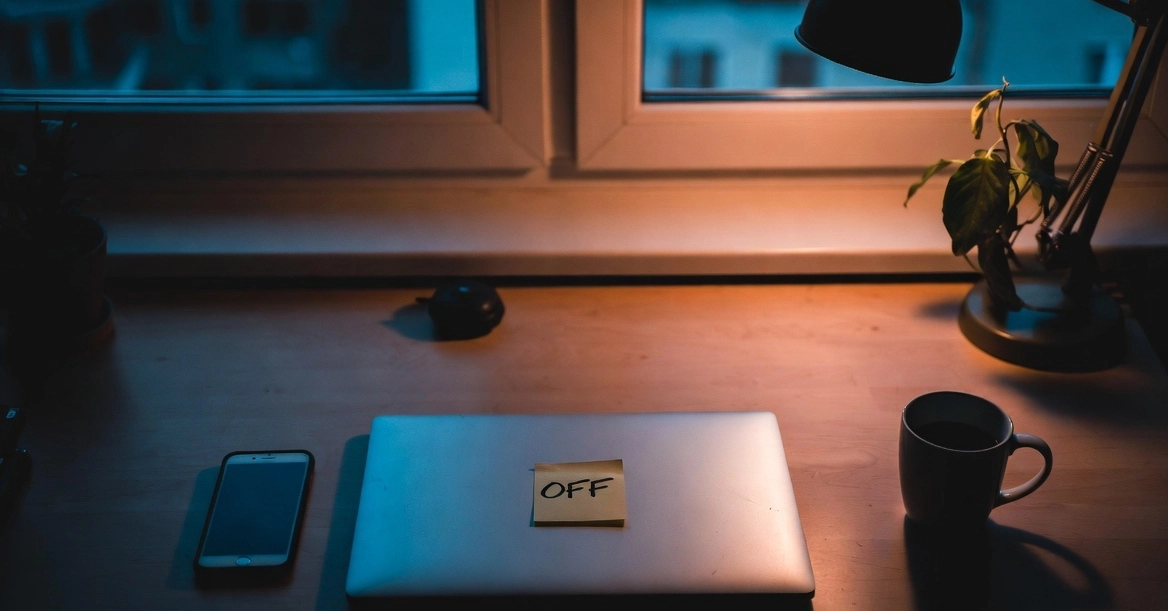
Last month, I closed my laptop at 11 PM. Then I opened it again at 11:15. Just to check one thing.
That wasn’t a bad night. That was a Tuesday.
A single line, dropped like a gut punch. It’s from a dev spilling the truth—no filters, no corporate wellness spin. And it changes everything because we’ve normalized this madness. Open source maintainers, especially, get hammered: notifications never sleep, contributors ping at 3 AM, that PR can’t wait. What we expected—endless velocity—crumbles under the weight of fractured humans.
Why Do Developers Stay Glued to the Screen?
Look. Imposter syndrome whispers if you unplug, the mask slips. Hustle bros on Twitter (sorry, X) swear grinding’s the only path up. Remote work erased boundaries—your bedroom’s now the office, always humming.
But here’s the architecture shift nobody clocks: apps hijack your dopamine. Slack pings? Engineered addiction. GitHub stars? Social proof pulling you back. FOMO in AI’s sprint? Miss one paper, fall behind forever. It’s not weakness; it’s design. Open source amplifies it—your repo’s a public ledger of your ‘commitment.’ Pause too long? Forks incoming.
One dev I talked to—anon, naturally—said it plain: ‘Code follows you to sleep. Literally dreaming in syntax.’ That’s not hyperbole. Neuroscientists back it: constant context-switching shreds focus, spikes cortisol. Your brain’s wiring for deep work atrophies.
Is Always-On Killing Developer Creativity?
Short answer: yes. Brutally.
We chase hours, but peak code flows from rested minds. Ever fixed a bug on a walk? That’s the magic—boredom sparks connections. Grind past hour 10? Garbage commits, tech debt mountains. I’ve seen it in open source: rushed merges, brittle forks, burnout maintainers ghosting projects.
The irony? You’re optimizing for busyness, not output. Relationships fade first—friends bail on flaky plans, partners eye the phone more than you. Then identity: ‘What do you do for fun?’ Blank stare. You’ve engineered yourself into a one-trick machine. Very good at TypeScript. Utterly boring elsewhere.
Physical rot sneaks in. Back screams—blame the chair. Eyes burn by lunch—blue blockers fix it, right? Skip gym, DoorDash dinner, crash Friday. Shallow sleep, caffeine crutch. It’s not ‘adulting’; it’s engineered decline. Bodies break before egos admit it.
Here’s my unique angle, the one articles gloss over: this mirrors the transcontinental railroad era. Back then, workers chained to telegraphs—always on for orders, disasters. Result? Mass exhaustion, innovation stalled till unions forced boundaries. Today’s digital telegraph? Slack and GitHub. Open source needs its Haymarket riot moment—maintainers unionizing against endless pull requests. Bold prediction: without it, we’ll lose a generation of talent to corporate gigs or early retirement.
Corporate PR spins this as ‘passion.’ Bullshit. It’s extraction—extract hours, extract soul. Tech giants preach wellness apps while pinging you at midnight. Open source? No HR safety net. You’re the volunteer fireman, burning out for stars.
How Does Always-On Hit Open Source Hardest?
Think about it. Closed-source devs clock out at 5, firewall emails. OSS maintainers? Repo owns you. That vulnerability report? Urgent. Dependency hell? Your weekend. Notifications designed for virality keep you hooked—‘just one more issue.’
Vacations? ‘Slower pace,’ they call it. Guilt shadows every hike. Free time? Wasted potential. We badge exhaustion: ‘Haven’t taken a day off in months.’ Wear it like a tattoo. But quality tanks—rushed reviews, overlooked sec bugs. The ecosystem suffers.
I dug into maintainer surveys (quiet ones, not the polished GitHub ones). Half report sleep under 6 hours. 40% dream code. Relationships? ‘Distracted presence’ tops complaints. Loneliest feeling: surrounded by family, brain in a thread.
The system levers: FOMO on fast tech like AI tools rewriting OSS. Remote blur—office in your pocket. Notification dark patterns—red dots screaming.
But levers flip. One dev quit Slack after-hours. Brain fog lifted in weeks. Walks birthed fixes he’d chased for days. Identity returned—picked up guitar, felt human again.
No dramatic rock bottom needed. Just that quiet snap: partner asks a question, you’re absent. Boom. Wake-up.
Hustle culture’s the villain here—not you. Call the spin: it’s not grit; it’s gamified burnout. Time to rewrite the rules.
🧬 Related Insights
- Read more: HCP Terraform’s IP Allow Lists: Finally, a Lock on the Front Door
- Read more: AWS EKS Auto Mode: Kubernetes Node Toil Meets Its Match — Or Does It?
Frequently Asked Questions
What are the signs you’re an always-on developer?
Laptop ‘sleeps’ but you reopen in minutes. Phone checks on silent. Guilt hits during rest. Dreaming syntax. Free time feels like failure.
How to stop being always on as a developer?
Kill notifications post-7 PM. Schedule ‘offline blocks’ in calendar. Walk without AirPods. Tell team: ‘After hours for fires only.’ Track wins weekly, not commits hourly.
Does always-on culture cause developer burnout?
Absolutely—shallow sleep, wrecked focus, identity collapse. Worst: worse code from tired brains. Open source maintainers burn brightest, fastest.