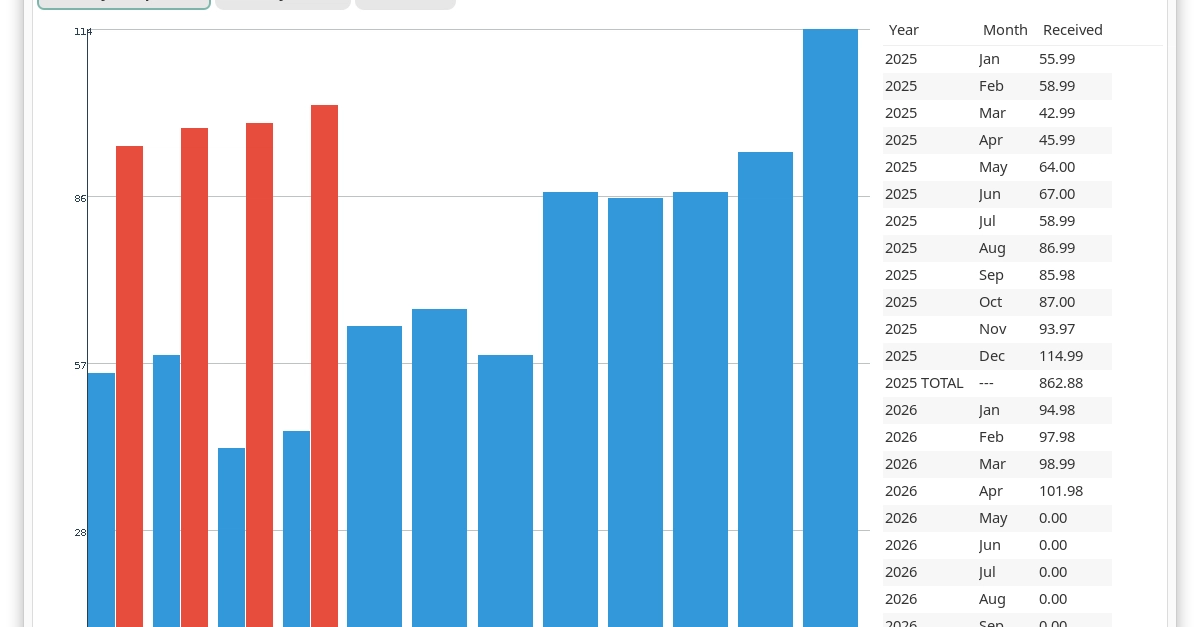
Indie developers have been chasing the dream of perfect App Store visibility for years. Build a dashboard — check. Cron jobs pulling downloads, revenue, rankings at dawn — done. Tools like App Store Connect or Sensor Tower spit out the numbers crisp and clean. What everyone expected? Fifteen minutes saved per morning, total victory.
But here’s the twist that changes everything: those dashboards don’t decide. They expose the gaps. A 22% download plunge stares back, mocking you. Why? Fix how? That’s where judgment fatigue sets in, turning a time-saver into a daily dread.
Enter the AI growth agent — a scrappy, indie-built beast inside Apsity that doesn’t just report. It diagnoses, hypothesizes, acts.
Look, I’ve covered enough dev tools to spot the pattern. Dashboards are table stakes now, commoditized to free basics. The real shift? Architectural leap from passive pixels to active reasoning. This isn’t bolted-on alerts; it’s Claude-powered patterns chewing through your data, spitting confidence-badged insights you can copy-paste into production.
Why Your Dashboard Feels Like a Tease
It took days to wire that dashboard in Episode 2 of Lazy Developer. Twelve apps, unified view. Solid.
Yet three days later? Exhaustion. The finance app’s downloads cratered 22%. Screen screamed it. But so what? No why, no next step. Decisions crystallized — painfully.
That’s the dirty secret of analytics tools. AppFollow caps at five apps for $39/month; scale to twelve, and you’re paying up. Sensor Tower? Enterprise at $30k/year. Indies stick to free App Store Connect, digging manually for causes. Competitor metadata tweak? Review sentiment shift? Buried signals, hours lost.
This agent flips it. Feed it data; get causes, evidence, actions. Not vague “optimize keywords” — precise 100-character sets ready for paste.
“Not just showing what happened — diagnose the cause, provide verifiable evidence, and deliver ready-to-use outputs.”
One line to Claude, and it engineered five core patterns. Boom.
Short para for punch: Game on.
The Five Patterns That Actually Work
First: Rank drop diagnosis. Pins why rankings slipped — competitor updates timed perfectly? Evidence toggle reveals raw data: “Competitor A changed three metadata fields same period.”
Second: Hidden markets. Spots keywords your app ghosts but opps lurk.
Third: Keyword optimization. Analyzes current set, auto-generates optimal 100-char replacement via second Claude call. App names too.
Fourth: Review analysis. Pulls recurring themes from user gripes or wins.
Fifth: Revenue breakdown. Flags sub vs. IAP weirdness, hypothesizes causes.
But patterns without trust? Useless AI hallucination fodder. Solution: Confidence badges. Fact (raw data), Correlation (pattern links), Suggestion (reasoned bets). Click evidence — judge yourself.
Philosophy baked in: Don’t blindly follow. Verify. When AI errs, you’ll spot it fast. Smart.
And the indie filter? Genius. Excludes enterprise behemoths (1k+ ratings). Compares apples to indie apples only. No budget-warped illusions.
This echoes the spreadsheet revolution in the ’80s — VisiCalc didn’t just calculate; it let small biz owners reason like CPAs without the firm. Here, AI growth agents democratize ASO expertise once locked to Sensor Tower pros. My bold prediction: In six months, half of indie App Store newsletters will clone this stack. (Unique insight: It’s not hype; it’s the quiet fork in devtool evolution, from observers to operators.)
How Does the Tech Stack Hold Up?
Second Claude integration for keyword magic. Auto-detects growth stage: SEED, GROWING, STABLE — tailors advice.
Weekly Monday 8 AM email via Resend + React Email. First run: 48 insights across 12 apps. No humans touched.
Skeptical? Me too, at first. Corporate PR spins “AI autonomy,” but this feels earned — bootstrapped from real pain. No $30k gatekeep. Yet.
What’s under the hood? Cron pulls data. Patterns fire. Badges attach. Emails dispatch. Simple, but surgically precise.
Deeper why: App Store’s black box demands this. Algorithm tweaks unannounced; competitors shadow-move. Human eyes drown. AI scales scrutiny.
One hitch — the original cuts off mid-indie filter gripe. Fair; building’s messy. But it underscores: Comparisons must be peers, or insights poison.
Why Does This Matter for Indie Devs?
Cost alone flips the script. Skip upgrades; hack your own.
Actionable outputs crush analysis paralysis. Paste keywords? Done in seconds.
Trust layer builds muscle memory — you’ll learn ASO by osmosis, spotting AI’s occasional correlations-masquerading-as-causes.
Scales too. Twelve apps today; imagine portfolios at 50.
Critique time: Tools like this expose incumbents’ weakness — they sell reports, not robots. Sensor Tower won’t auto-paste your fixes. Yet.
But watch: Copycats incoming. Open-source the patterns? Please.
First run delivered 48 insights. That’s not toy; it’s traction.
🧬 Related Insights
- Read more: Esquire’s Fake Mackenyu Chat: AI Interviews That Fool Us All
- Read more: My AI Agent Caught NVIDIA’s Earnings Dip — And Stopped Me from Panic-Selling Again
Frequently Asked Questions
What is an AI growth agent for App Store analytics?
It’s software that takes your dashboard data and runs targeted analyses — diagnosing rank drops, suggesting keywords, spotting review trends — with evidence and confidence levels, all automated.
Can indie devs build their own AI app insights tool?
Absolutely — using Claude API, cron jobs, and email libs like Resend. Skip $30k tools; focus on five patterns like rank diagnosis and keyword gen for quick wins.
Does this replace Sensor Tower or AppFollow?
Not fully — it complements free data sources, adding the ‘why’ and ‘do’ they lack, especially cost-effectively for indies managing 10+ apps.