Everyone figured AI agents would be tooling around the internet by now, booking flights, ordering lunch, trading stocks—all on their lonesome. Wrong.
Stuck filling out forms meant for meat-brains, they’d screech to a halt at checkout. Enter the Machine Payments Protocol (MPP)—Stripe and Tempo’s brainchild, dropping today. This open standard flips the script: agents ping a service, get a payment request, authorize it programmatically, and boom, transaction done. No accounts. No tier roulette. Just cold, hard microtransactions in stablecoins or fiat.
What Was Everyone Expecting From AI Agents?
Autonomy. Pure, unadulterated bot freedom. ChatGPT spins plans; agents were supposed to execute them. But nah—current fintech’s a human trap. Agents fumble subscriptions, billing setups. It’s comical, really. Like watching a toddler with a credit card.
This changes things. MPP slots right into Stripe’s API. Businesses add a few lines of code, and agents start paying. Browserbase charges per headless session. PostalForm handles snail mail. Hell, Prospect Butcher Co. delivers sandwiches to humans via bot orders. Agents even donate to Stripe Climate now. Programmatically.
Look—here’s Parallel’s founder Parag Agrawal, no slouch after his Twitter days:
“Parallel is built for a world where agents are the primary users of the web. We integrated machine payments with Stripe in just a few lines of code, and now agents can autonomously pay per API call for web access. This allows us to reach any agent developer in the world on the same Stripe stack we already run on.”
How Does MPP Actually Work?
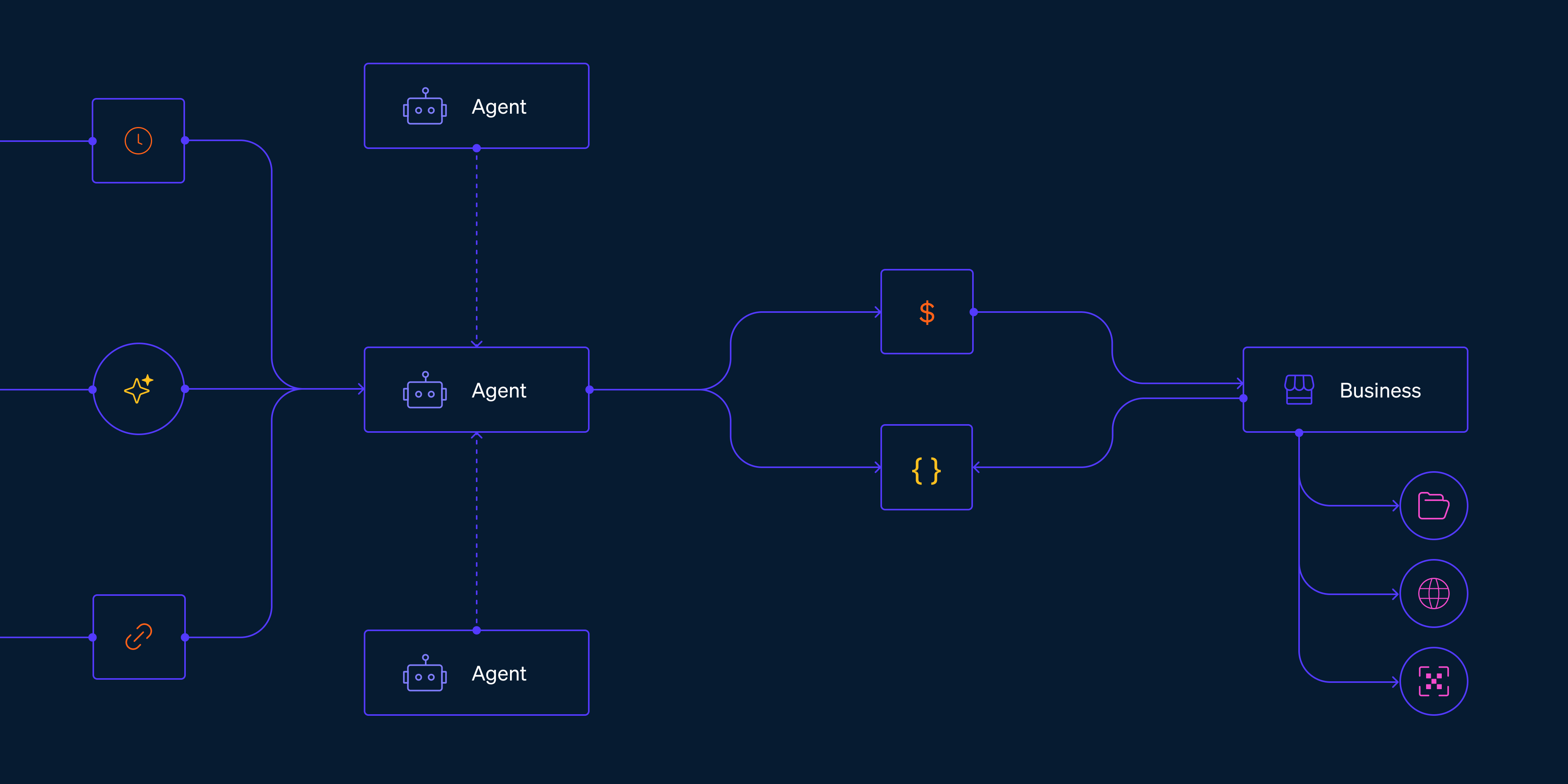
Simple flow, agent-style. Bot requests a resource—API call, MCP endpoint, whatever HTTP thing. Service shoots back a payment ask. Agent green-lights it (via Stripe’s PaymentIntents or Shared Payment Tokens). Resource delivers. Funds hit the business’s Stripe balance like clockwork—taxes, fraud checks, payouts intact. Same pipes as your Amazon splurges.
But here’s my unique gripe, straight from 20 years graveyard-shifting Valley press: this reeks of dot-com bot wars redux. Remember 1999? Everyone built shopping bots scraping eBay, Amazon. PayPal swooped in, owned programmatic payments, crushed the chaos. Stripe’s doing PayPal 2.0 for agents. Bold prediction—they’ll own 80% of agent commerce in three years, while ‘open standard’ fizzles into their ecosystem lock-in. Who’s surprised?
Stripe calls it their Agentic Commerce Suite—buzzword salad, but packed: MPP, ACP, MCP hooks, x402 support. Early access via docs. Cool.
Yet. Cynic hat on: agents aren’t legion yet. Devin codes okay; others hallucinate. Scale that to billions of transactions? Fraud bots gonna feast. Stablecoins help, but regulators lurk. (Remember Libra? Zuckerberg’s folly.) And microtransactions—love ‘em on paper, but chargebacks, disputes? Humans sue; agents ghost?
Who’s Actually Making Money Here?
Stripe. Duh. They’re threading agents into their $1 trillion payment empire. Businesses get agent sales without UX overhauls. Tempo co-authors for cred. But agents? They’re the pigeons, dropping crumbs everywhere. Parallel pays per API—cute, but Stripe skims the vig.
Take Browserbase. Agents spin browsers, pay per use. Neat vertical. PostalForm? Bots mailing valentines. Prospect Butcher—sandwich runs for desk jockeys. Real pilots, sure. But volume? Peanuts next to human e-comm. This ain’t tipping the scales yet.
And the PR spin—‘internet economy integral.’ Please. Agents are 0.01% of web traffic. Hype’s fun, execution’s brutal.
Will MPP Spark the Agent Economy Explosion?
Maybe. If agents hit escape velocity—say, 10% of web actions by 2027. My bet: niche wins first. Dev tools, cloud infra, content APIs. Then creeps to e-comm. But hurdles loom. Interoperability? MPP’s open, but Stripe’s the easy button. Competitors (Adyen? Checkout.com?) scramble or license in.
Historical parallel seals it: early web needed HTTP standards before commerce boomed. MPP’s that for agents. Ignore at peril. But don’t drink the Kool-Aid—Stripe’s not charity. They’re building the tollbooth for bot-kind.
Businesses: sign up. Test it. Stripe Dashboard treats agent pays like yours—reporting, refunds, all there. Early movers snag the pie.
Skeptical? Yeah. But pragmatic. Valley’s littered with agent ghosts. This protocol might resurrect a few.
🧬 Related Insights
- Read more: Tyfone Powers Metro CU as Fintech Sprint Closes Q1 2026 with Charters, Stablecoins, and $30M Raises
- Read more: Drift’s DeFi Black Hole: Millions Lost, Users Locked Out in Brutal Hack
Frequently Asked Questions
What is the Machine Payments Protocol?
MPP’s an open spec for AI agents to pay services programmatically—no web forms, just API handshakes via Stripe or others.
How does Stripe integrate MPP?
Few lines in PaymentIntents API; accepts stablecoins, cards, BNPL. Transactions flow to your usual balance.
Is MPP ready for production agent apps?
Early access now—pilots like Browserbase prove it. Scale risks: fraud, regs. Test small.
