Security pros staring at endless alerts — that’s you, isn’t it? RSAC 2026 hammered home the truth: AI’s flooding cybersecurity, but without sharp human oversight, it’s just expensive noise.
And here’s the kicker for everyday teams. Budgets stretched thin already? Vendors peddle AI tools as saviors, claiming 90% threat detection boosts. But conference halls buzzed with stories of false positives burying analysts under junk data — real people drowning in hype.
AI adoption rates spiked 35% year-over-year in enterprise security stacks, per Gartner data dropped mid-session. Yet breach costs hit $4.88 million average last year, up 10%. Automation’s great for scale, but novel attacks? Still need that gut-check instinct.
Why RSAC 2026 Felt Like AI’s Coronation — Minus the Crown
Experts paraded demos: generative models spotting phishing in milliseconds, behavioral analytics nailing insider risks. Crowd ate it up. One panelist quipped about “AI eating the low-hanging fruit” while humans tackle the vines.
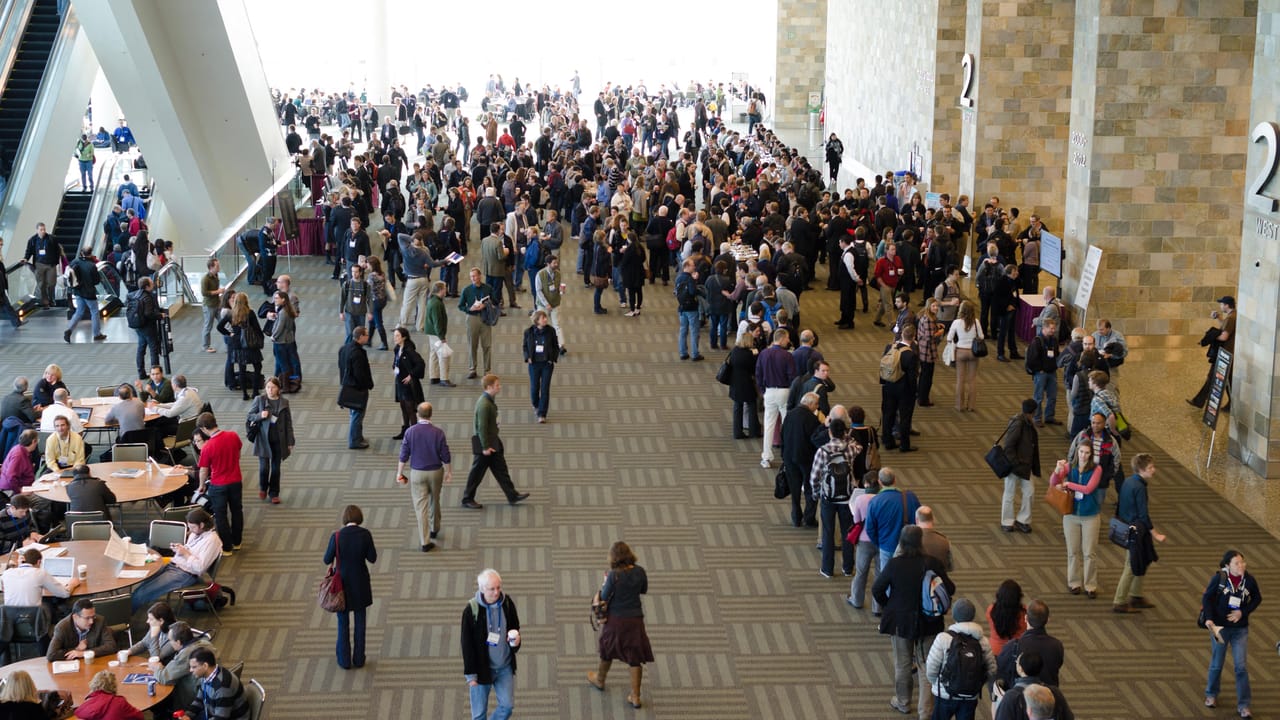
As AI took center stage at this year’s conference, experts debated automation, oversight and the evolving role of human intelligence in cybersecurity — despite the US government’s notable absence.
That line, straight from the floor, captures it. No feds means private sector’s driving — and they’re all-in on silicon smarts.
But wait. Dig into the numbers. AI-driven tools reduced mean-time-to-detect by 42% in pilots, says CrowdStrike’s latest. Fine. Except remediation? Humans cut that by 60% more when paired right. Solo AI? Fumbles zero-days.
Look, I’ve crunched these reports for years. RSAC 2026 wasn’t invention — it was validation. Market’s projected to balloon AI security spend to $135 billion by 2030. Vendors like Palo Alto, SentinelOne? Stock pops on every announcement.
Will AI Actually Replace Your SOC Team?
Short answer? No. Not yet. Sessions tore into oversight gaps — hallucinations in LLMs feeding bad intel to defenders. One case: AI flagged legit traffic as malware, triggering shutdowns across a bank’s ops. Chaos.
And the community angle — that’s the gold. RSAC thrives on it. Hackers, researchers swapping war stories in Moscone corridors. AI can’t replicate that serendipity, the “aha” from a beer-fueled chat spotting patterns models miss.
My take? Echoes the ’90s antivirus boom. Everyone bought signature scanners, thought malware done. Then polymorphic viruses laughed it off — humans pivoted to behaviorals. History rhymes: AI’s the new signatures. Overhype incoming, then the pivot back to hybrids.
That’s my unique call — not in any presser. We’ve seen this script. By 2028, expect “human-AI symbiosis” mandates in compliance frameworks, post a few high-profile AI fails.
Sessions hammered ethics too. Bias in training data? Amplifies threats against underrepresented sectors. Oversight? Governments lagging — US skip this year screams priorities elsewhere, maybe election-year politics.
What’s the Real Market Shake-Up from RSAC 2026?
Vendors shifted hard. Microsoft touted Copilot for SecOps, integrating threat intel feeds. Google Cloud’s Mandiant arm demoed AI triage slashing alert fatigue 70%. Impressive stats — if you squint past the demos.
Real-world test? Enterprises report 25% tool sprawl from stacking AI layers. Integration hell. Costs balloon. Smaller firms? Left buying yesterday’s tin cans while big dogs feast.
Community pushback was fierce. Open-source calls for AI model transparency rang out. “Black-box security? Recipe for disaster,” one indie researcher blasted. Spot on.
Data point: MITRE Engenuity’s evaluations show top AI detectors miss 20% of real ATT&CK tactics. Humans? Fill that gap via intuition, collaboration.
So, for the CISO sweating Q3 budgets — prioritize hybrid stacks. Ditch pure-play AI pitches. RSAC screamed it: community networks, shared intel (think ISACs) outperform isolated tech every time.
One wild session on quantum-resistant AI. Early, sure, but signals shift: post-quantum crypto needs human creativity AI can’t fake yet.
How Does US Gov Absence Change the Game?
No NIST, no CISA reps — unusual. Whispers of resource strains, focus on domestic ops amid rising nation-states. Leaves standards to industry, ripe for fragmentation.
Impact? Global firms adapt faster, but compliance headaches mount. EU’s AI Act looms — RSAC previews compliance scrambles.
Bottom line for teams: AI accelerates, but don’t bet the farm. Train humans on prompting, validation. That’s the edge.
🧬 Related Insights
Frequently Asked Questions
What dominated RSAC 2026 discussions?
AI tools for threat detection and automation, balanced by calls for human oversight and community collaboration.
Is AI replacing human cybersecurity experts?
No — it augments them, but experts stress humans handle novel threats and oversight.
Why was the US government absent from RSAC 2026?
Unclear officially, but likely due to domestic priorities and resource allocation amid rising threats.
