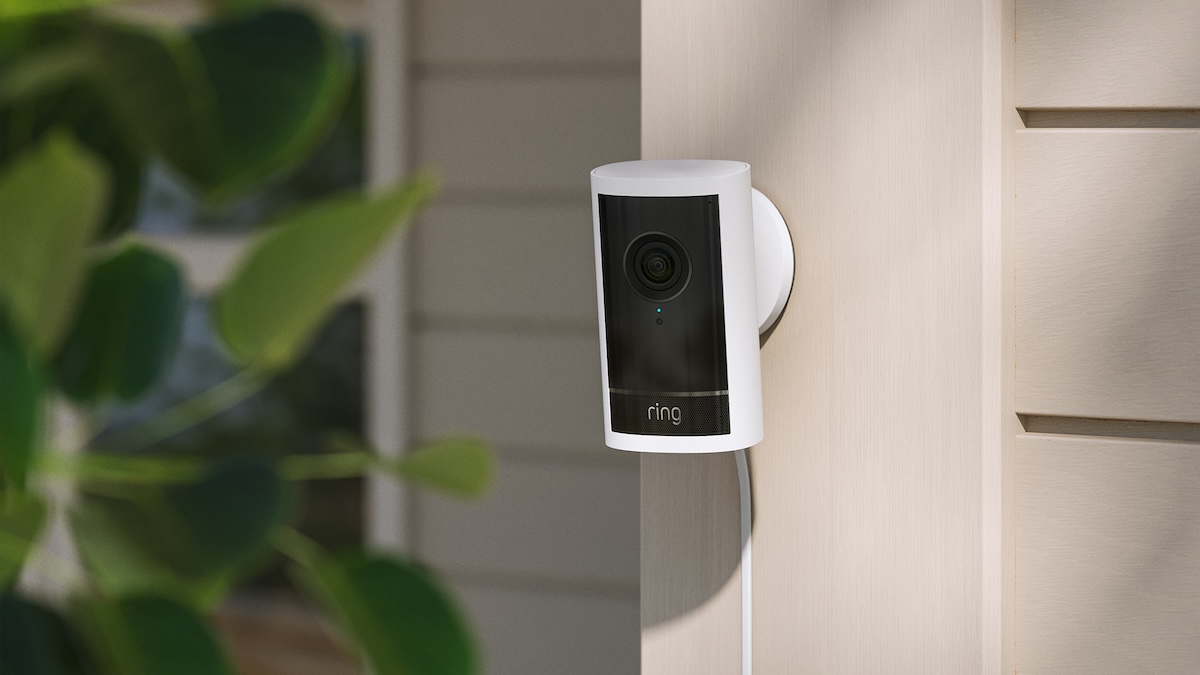
Imagine this: you’re an aging parent, alone at home, and your kid’s Ring doorbell spots you stumbling. Alert pings their phone. Sweet, right? Or creepy as hell.
That’s the pitch behind Ring’s shiny new app store, launching with AI apps that stretch those 100 million cameras way past porch pirates. Real people—families, hosts, business owners—might actually use this stuff. But here’s the rub: Amazon’s Ring has a rap sheet longer than a bad sequel. They’re betting big on AI to redeem it.
Look, elder care sounds noble. Density’s Routines app flags falls, routine shifts. QueueFlow times your restaurant wait. Minut nags Airbnb hosts about noisy tenants. Practical? Sure. But with Ring’s track record?
Why Trust Ring with Your Loved Ones’ Falls?
Ring’s CEO Jamie Siminoff gushes about ‘long tail use cases.’ Let’s quote the man:
“With AI, there’s just an incredible amount of long tail use cases,” he told TechCrunch. “We are unlocking value that our customers have invested in, in things that … all of us together never thought we could do.”
Cute. But Ring ditched Flock Safety after backlash—y’know, the outfit sharing your footage with cops. They’ve cozied up to police before, drawing fire from privacy hawks. Now an app store? Developers swarm in, 15 at launch, more coming. Ring skims 10% off the top. No Apple/Google cuts, since you’re sideloading partner apps. Clever dodge.
And the restrictions? No facial recognition. No license plates. Siminoff swears they’re ‘careful.’ Listening to ‘market scrutiny.’ Pull the other one.
This reeks of Apple’s App Store playbook from 2008—ecosystem lock-in, dev gold rush—but with eyeballs on your doorstep. Unique twist? Ring’s got the hardware monopoly already. No need to sell iPhones; grandma’s bell is the trojan horse.
Short para: Privacy theater.
But let’s unpack the business angle, shall we? Ring’s pivoting from homes to offices, rentals. Workforce analytics? That’s code for Big Brother at the water cooler. Congestion tracking at events—fine, until it feeds some marketer’s ad machine. And bird-watching apps? WhatsThatBird.AI. Harmless fluff to mask the surveillance surge.
Here’s my bold call: this ‘store’ won’t stay benign. History screams it. Remember Nest’s thermostat data scandals? Or how Ring’s Neighbors app turned block watches into gossip mills? Give devs API access to audio, video streams—AI parses it all. One rogue app slips through. Boom. Your fall video sells to insurers. Or cops subpoena routines data en masse.
Ring claims U.S.-only start, app discoverable in their iOS/Android client. Submit via dev site. Subscriptions, one-offs, even ads if you beg. Flexible, they say. Profitable, for sure—for them.
Can Ring’s App Store Dodge the Privacy Backlash?
Customers freaked over pet-finding, wildfire alerts. Felt too omnipresent. Now apps multiply that tenfold. Siminoff admits the scrutiny: “We’re trying to be careful to make sure that it is being used for … apps that deliver value to the customer.”
Value to whom? Ring’s unlocking ‘invested’ cameras, sure. But you’re the product. Always were. Amazon didn’t buy Ring for doorbells; it’s data gold. AI leaps make it exponential.
Wander a bit: think about the hosts. Minut pairs with sensors—no cameras needed, but Ring’s the hub. Noise spikes? Evict that party. Fair. But aggregate across Airbnbs? Neighborhood panopticon.
Businesses love QueueFlow. Wait times at desks, events. Optimize staffing. But what if it IDs faces anyway—subtly? Terms ban it, but enforcement? Ring’s no Apple with billions in review muscle.
And developers? Siminoff touts the ‘surface area.’ Massive install base means instant scale. Build once, reach millions. No chicken-egg problem. That’s the hook. But tying your startup to Ring’s toxic brand? Brave.
What Happens When AI Cameras Go Rogue?
Prediction time—and it’s grim. Within two years, lawsuits. Some app misfires, shares data wrong. Or hacks expose feeds. Ring’s history with law enforcement invites regulators. EU’s watching; U.S. might stir post-election.
Real people pay. Families get alerts, sure. But peace of mind? Shattered if footage leaks. Hosts evict unfairly on bad AI calls. Businesses face bias suits—AI miscounts diverse crowds.
Ring’s not dumb. CES tease in January, measured rollout. But hype ignores the elephant: surveillance fatigue. People yank cameras after scandals. App store could accelerate that—or normalize constant watching.
One sentence: Don’t buy the spin.
SoftBank’s Density leads elders pack. Noble. But scale it: millions of cams as nanny cams. Consent? Your parent’s home, their rules—but Ring controls the pipe.
Workforce apps? Track employees via door cams. ‘Analytics,’ they call it. Dystopia whispers.
Ring cancels cop ties, adds app store. PR pivot? Maybe. But data’s the endgame.
🧬 Related Insights
- Read more: ECH’s Shadowy Rollout: Privacy’s Best Bet or Bust?
- Read more: AI Safety Index 2025: Labs’ Promises Crumble Under Expert Scrutiny as Leaders Surge Ahead
Frequently Asked Questions
What is Ring’s new app store?
It’s a hub in the Ring app for third-party AI apps that tap your cameras for stuff like elder monitoring, queue tracking, rental oversight—no direct downloads from Ring, but partners handle that.
Will Ring app store apps invade my privacy?
They claim no face-recog or plates, but with Ring’s cop-sharing past and dev access to feeds, risks loom large. Read terms twice.
Can I make money building for Ring’s app store?
Yeah, hit their huge camera base. Ring takes 10%, but subscriptions or ads could pay off—if you stomach the brand baggage.
