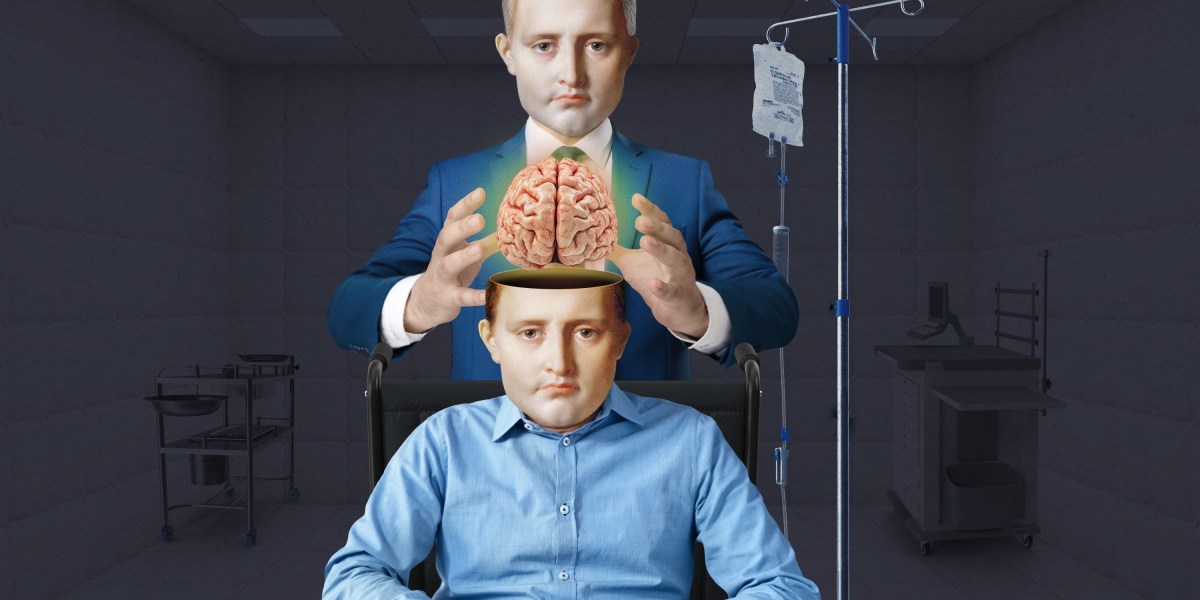
John Schloendorn leans into the pitch deck, eyes gleaming under the dim VC conference room lights. Brainless human clones. Backup bodies. Not science fiction—his vision for R3 Bio.
Years in the shadows, this California startup bursts out last week with $6 million raised for monkey ‘organ sacks’—nonsentient primates tweaked to grow human organs, ditching cruel animal tests. Clean story, right? Except MIT Tech Review cracks the lid: Schloendorn’s real play runs darker, ethically nuclear.
He shopped investors on human clones stripped of brains, vessels for organs or even consciousness transfers. No sentience, he claims—just meat factories. R3 Bio stonewalls now, but the cat’s out.
Why Brainless Clones Haunt Biotech Investors
Look, animal testing chews $40 billion yearly worldwide. Big Pharma hates the optics, the delays, the PETA raids. Enter organoids, xenotransplants—R3’s monkeys slot in neatly, genetically edited to host human livers, kidneys without rejection drama.
But humans? That’s the leap. Schloendorn argues therapeutic cloning—somatic cell nuclear transfer, Dolly-style—minus neural tissue. Grow a body, harvest parts, repeat. Market potential? Trillions if immortality beckons. Yet here’s the data: post-Dolly 1997, global cloning bans proliferated. U.S. Congress nixed federal funds; 50+ countries followed.
R3’s secrecy screams trouble. They’ve dodged filings, operated off-grid. Investors bite—true believers in disruption—but backlash brews. Public recoil could tank valuations faster than Theranos’ blood-test flop.
“MIT Technology Review discovered that founder John Schloendorn also pitched a startling, ethically charged vision: ‘brainless clones’ that serve as backup human bodies.”
—Antonio Regalado, unmasking R3’s double life.
My take? Bold, but boneheaded. Biotech’s hot—CRISPR firms fetch 20x multiples—but crossing into human cloning ignites regulators. FDA’s already twitchy on gene edits; this? Instant moratorium bait.
Uterus Outside the Body: ‘Mother’ Device Rewrites Reproduction
Shift gears. Ten months back, researchers slip a donated human uterus into ‘Mother’—a perfusion rig mimicking mom’s bloodstream. Plastic veins pump nutrient-rich blood substitute. Result? One full day alive, pulsing, responsive.
First ever. No prior ex vivo womb lasted hours. Team at Weill Cornell perfused it with oxygenated media, hormones ticking just right. Uterus blushed pink, arteries flexed—viable.
This isn’t parlor trick. Scale it, and you’ve got womb rentals for IVF fails, premature fetus incubators. Ectogenesis whispers: full artificial pregnancies by 2030s? Japan funds similar; Europe’s eyeing.
But risks stack. Immune cascades, clotting horrors—day one’s win, week’s war. Still, fertility market hits $50 billion, infertility up 20% in millennials from delayed births.
Is R3 Bio’s Clone Strategy Doomed by Ethics Backlash?
Data doesn’t lie. He Jiankui’s 2018 CRISPR babies? Lifetime lab confinement, career ash. Cloning polls: 80% Americans oppose human reproductive clones (Pew 2023). Investors know—Series A cash flows to safer shores like mRNA vaccines, not Frankenstein farms.
R3’s edge? Speed. Monkeys gestate 5 months vs. pigs’ 4 for organs. But PR spin crumbles. Schloendorn’s pitch decks floated ‘neurologically inactive humans’—euphemism won’t save ‘em.
Unique angle: Echoes Huxley’s Brave New World, but real-world parallel’s China’s organ trade scandals. Post-2019, Xi cracked down; black market volume dropped 40%. Regulators smell that rot here.
Won’t fly. Markets demand ESG compliance now—BlackRock dumps polluters. Biotech VCs pivot to digital twins, organ-on-chips (market $1B by 2028). Clones? Dead end.
Broader Ripples: AI Drugs, Data Heat, Kid Bans
Elsewhere, Eli Lilly drops $2.75B on Insilico’s AI drugs—proof ML accelerates discovery 10x. Compounds killing superbugs? Game on.
AI data centers roast neighborhoods—340M people in heat islands already (New Scientist). Mistral’s $830M Nvidia splurge in Europe? NIMBY wars incoming.
Kids’ social media curbs accelerate: Austria bans, Indonesia first in SEA, Starmer vows UK action. Quote nails it:
“We should be thinking about protecting young people in the digital world as opposed to protecting them from the digital world.”
—YouTube CEO Neal Mohan.
Tech stocks tank 5% worst week in a year—Iran jitters, AI bubble fears. Elon Musk eavesdrops Trump-Modi call? Geopolitics bites EVs.
Why Does Biotech Taboo Like Clones Matter for Markets?
Short-term: R3 stalls fundraising. Long-term: Forces innovation sans taboos—stem cells, 3D bioprinting ($5B market). Uterus tech? IVF boom, but FDA trials drag 5-7 years.
Prediction: By 2027, ex vivo organs standardize testing, slashing costs 30%. Clones? Buried in ethics committees.
One more: Taiwan raids Chinese talent poach; Bluesky’s Claude-fed feed customizer drops. BCI musician? Brain interfaces crave joy hooks.
🧬 Related Insights
- Read more: Gig Workers Strap Phones to Heads, Training Tesla Bots with Laundry Folds
- Read more: EU Member States’ Crushing Load: 88 AI Act Tasks That Could Fracture Enforcement
Frequently Asked Questions
What are brainless human clones? R3 Bio’s pitched idea: cloned human bodies without brains, grown for organs or as ‘backups’—purely speculative, ethically explosive.
Can a human uterus survive outside the body? Yes, ‘Mother’ device kept one alive 24 hours perfused with blood substitute—first step toward artificial wombs.
Will brainless clones become reality? Unlikely soon; global bans, public horror, and better alternatives like organoids kill momentum.
