Spotlights flicker over the MPE 2026 crowd in London, Danish Kanojia — Wolt’s Payments Product Lead — grabs the mic and declares war on clunky checkouts.
Invisible checkout. That’s Wolt’s north star, the holy grail for food delivery apps where payments blend into the background like a well-timed swipe. No pop-ups nagging for CVV codes, no fraud checks grinding the vibe to a halt. Just you, the merchant, the courier — connected in a frictionless loop. Kanojia didn’t mince words: Wolt’s dumping serious cash into this, learning from consumer habits, payment trends, data shifts. It’s personalized to the point of eerie.
But here’s the thing. In a market where DoorDash and Uber Eats battle for every tap, does vanishing the payment screen actually move the needle? Wolt’s not alone in this obsession — remember Amazon’s 1-click patent wars back in the ’90s? They turned checkout into wallpaper too. Yet Wolt’s twist feels fintech-flavored, heavy on modularity and merchant tech stacks.
Can Wolt’s Invisible Checkout Really Deliver?
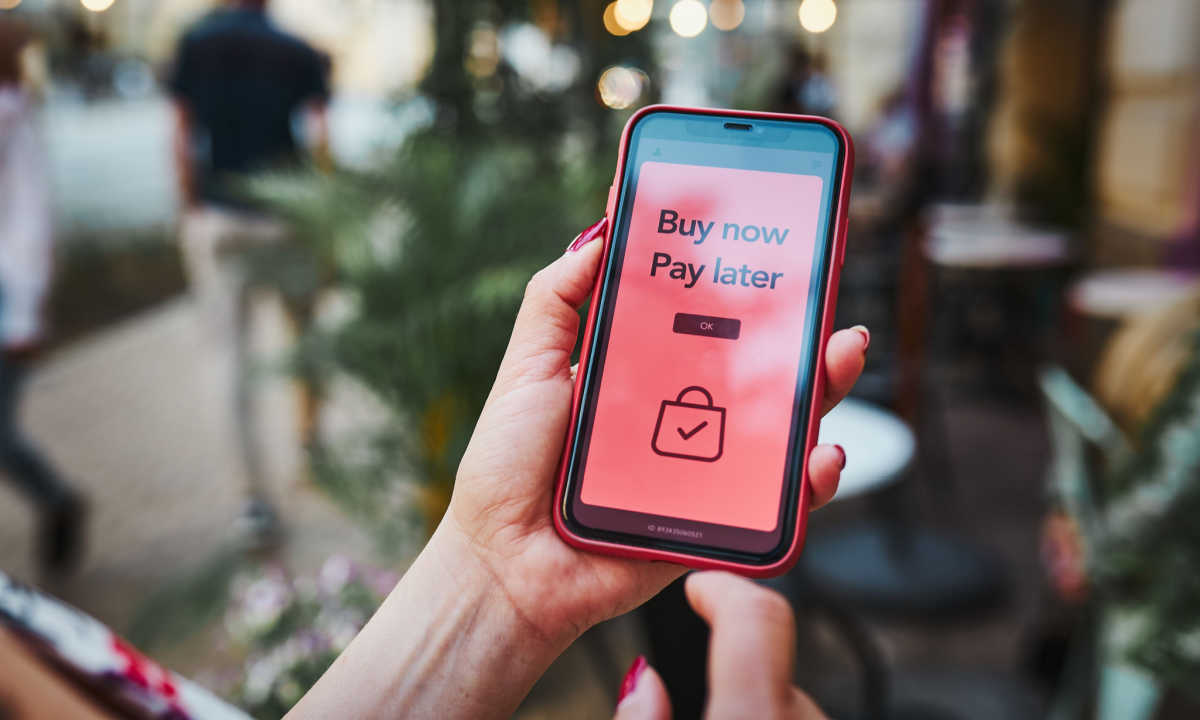
Kanojia laid out the gold standards for digital merchants, three pillars that sound straightforward but trip up most players. Affordability first — brutal in this pinched economy. Wolt counters with Buy Now, Pay Later (BNPL) options, letting cash-strapped diners spread payments without the guilt. Smart? Sure. But BNPL’s default rates spiked 30% last year across providers like Klarna (per their own filings), hinting at trouble if recessions bite harder.
Selection ranks second. Not just menu choices, but payment methods flooding the screen — cards, wallets, crypto teases maybe. One wrong option, and bounce rates soar. Wolt’s betting variety seals the deal for smoothly conversions.
Basics can’t be ignored. One-shot payment success. Crystal-clear failure paths. Miss these, and your invisible dream crumbles.
“Wolt spends significant resources ensuring consumers can pay easily, with the ultimate goal of making the payment experience smoothly and removing the friction from fraud or security checks that customers might typically encounter.”
That’s Kanojia direct from the stage — a mantra that’s equal parts vision and grind.
And fraud? Wolt’s AI learns habits to preempt blocks, turning security into a silent guardian. Data evolution fuels it all. Impressive engineering, no doubt. But my unique angle here: this mirrors PayPal’s early fraud wars in the eBay era. They hid the mess behind slick UX, scaling to billions. Wolt could echo that if merchants buy in — or flop if data privacy regs (hello GDPR 2.0 whispers) force transparency.
Short para. Agent e-commerce.
Why Agent E-Commerce Hits Now, Not Later?
Kanojia hammered this trend hard. Agent e-com — AI middlemen handling buys via voice, chat, whatever — isn’t a 2027 pipe dream. It’s landing today. Merchants, he urged, adopt the protocols now, even if full stacks lag.
Look. Walmart’s testing voice shopping; Amazon’s Alexa orders your groceries. Wolt sees payments embedding in these agents, invisible by design. Providers win by modular plugs — no rip-and-replace for merchants’ legacy tech. Wolt praises this flexibility, letting complex integrations stay backend black magic.
Skeptical take? It’s PR polish on a real shift. Payment providers morphing into consumer whisperers, merchant enablers. But here’s my bold prediction: if agent e-com explodes (projections hit $10B by 2028, per McKinsey), Wolt’s early bet positions them as the glue. Fail to modularize, though, and you’re Uber Eats — fast but forgettable.
Wolt’s ecosystem thrives on this. Merchants get plug-and-play; consumers, zero friction; couriers, steady gigs. Global climate? BNPL shines there, but watch delinquency data — it’s the canary in the affordability coal mine.
One sentence: Modularity saves the day.
Deeper dive. Current trends scream evolution. Payments aren’t widgets anymore; they’re experiences. Wolt’s invisible checkout isn’t hype — it’s survival in a 40% YoY delivery market growth (Statista stats). Yet corporate spin calls it out: “almost invisible” admits it’s not there yet. Progress, sure, but don’t drink the full Kool-Aid.
Historical parallel? Think Stripe’s API revolution in 2011. Merchants plugged in, checkouts smoothed. Wolt’s channeling that, but for delivery chaos. Success hinges on data moats — consumer habits as the ultimate edge.
What Risks Lurk in Frictionless Payments?
Fraud’s the elephant. Invisible means hidden checks, but savvy hackers probe. Wolt’s learning loops mitigate — constantly evolving. Still, 2025’s breach tally (up 15%, Verizon DBIR) warns: seamlessness invites exploits.
BNPL affordability? Noble, but critics (UK FCA reports) flag debt traps. Wolt’s selection play diversifies, yet one failed payment tanks trust.
My critique: Wolt’s MPE talk glosses execution gaps. Modular providers help, but integration debt piles up for merchants already tech-burdened.
And agent e-com? Protocols now, sure — but full adoption? Six months feels optimistic. Early movers win, laggards eat dust.
Wolt’s authoritative here, market dynamics tilting their way. Delivery apps command 25% of fintech payment volume (Nilson Report). Invisible checkout cements that.
Para cluster. Basics matter most.
🧬 Related Insights
- Read more: Zcash Rockets to $373 on SEC Green Light and Grayscale ETF Hype – Sustainable or Just Hot Air?
- Read more: OwlTing’s Visa Direct Hook: Stablecoin Savior or Hype?
Frequently Asked Questions
What is Wolt’s invisible checkout?
It’s a personalized payment flow so smoothly — via AI habit learning and modular tech — that users barely notice paying, slashing friction in food delivery.
How does BNPL fit Wolt’s strategy?
BNPL boosts affordability, a gold standard amid economic squeezes, letting diners split bills without upfront pain — though default risks loom.
Is agent e-commerce ready for merchants now?
Yes, per Kanojia: adopt foundational protocols immediately, even sans full solutions, to prep for AI-driven shopping agents exploding today.