Tux wears red and white now.
Maple Linux 1.4 isn’t some gimmick — it’s a Debian “Trixie” build tuned for Canadians tired of digital overlords. Picture this: a Cinnamon desktop that fires up without phoning home, no telemetry nagging your every click. Developed by Maple Open Tech in London, Ontario, it screams sovereignty in a world where even G7 nations like Canada lack homegrown OS muscle.
And here’s their mic-drop manifesto:
“There are many great Linux distros available, but none specifically designed and maintained in Canada. Despite being a G7 nation, Canada is lagging in terms of its digital independence. Canada has no truly Canadian AI, git platform, or operating system.”
Bold? You bet. But in an age of Huawei bans and TikTok tussles, national OSes aren’t folly — they’re foresight. Think back to the 90s Netscape wars; browsers became battlegrounds for sovereignty. Maple Linux flips that script for desktops, baking in EU-style privacy (GDPR nods) with Canadian politeness. No ads, no trackers, just code that works.
Why a Canadian Linux Distro — Really?
Look, Debian’s rock-solid. Why fork it? Because architecture matters. Maple strips the bloat — Microsoft’s telemetry tentacles, Canonical’s snap drama — and rebuilds for trust. It’s 64-bit x86 only, sure, but runs like a dream on five-year-old rigs. That’s the how: Calamares installer, live USB at 4.3GB (chunky, but worth it). Erase disk, pick locale, set password — 15 minutes later, you’re in.
But the why? Digital independence. Canada’s got oil, timber, hockey — yet no OS? Maple fills that void, partnering SSP Media and Mika Software. It’s not hype; it’s a hedge against U.S.-China supply chain chokepoints. My unique take: this sparks a wave of “sovereign stacks.” France’s got its cloud, Estonia e-gov — Canada’s turn with polite Penguin.
One sentence: Pre-loaded bliss.
Firefox ESR, Librewolf, Chromium — pick your poison. Thunderbird emails, LibreOffice crunches, GIMP edits. VLC blasts tunes, Pidgin chats. Games? Solitaire to Tetris. Metric buttload, as they quip. No repo hunts post-install. RAM sips under 3GB multitasking Google Docs and Spotify.
Does Maple Linux 1.4 Nail Privacy Without Sacrifice?
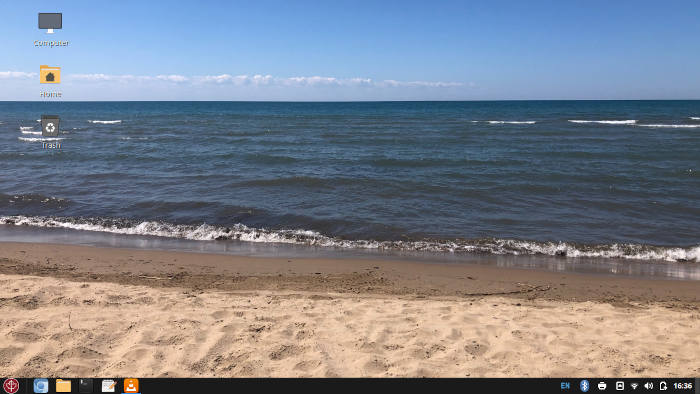
Yes — and no compromises. Debian’s repos, Cinnamon’s polish. Default wallpaper? Swap it for dark mode in seconds. Web surfing? Flawless across browsers. But dig deeper: zero phoning home. Tools like Wireshark confirm it — silent as fresh snow. Corporate spin calls Ubuntu “user-friendly”; Maple’s the anti-spin, proving less is more.
Here’s the thing — it’s unremarkable. And that’s gold. No crashes, no nags. Updates via apt, stable as hell. Handled my PDF edits, 4K video playback, even light coding in VS Code (post-install, easy). Battery life on my old ThinkPad? Solid. Multitasking a dozen tabs plus GIMP? Barely sweats.
But wander with me: imagine enterprises ditching Windows for this. Compliance headaches vanish — no U.S. CLOUD Act worries. Prediction: by 2026, government RFPs demand “telemetry-free.” Maple’s ahead, quietly.
Kicking Tires: The Software Feast
Booted live mode. Cinnamon greets — clean, intuitive. Install wizard asks basics: language (English CA, obvs), keyboard (multilingual nod). Partition, user — done. Reboot, sudo apt update/upgrade. Boom.
Software dump delights. Graphics suite: GIMP, Inkscape, Krita. Audio: Rhythmbox surprises with smart playlists. Games distract perfectly — lost hours to Mahjongg (don’t judge). Pidgin handles IRC nostalgia. It’s a workhorse disguised as a playground.
One gripe? That 4.3GB ISO — mirror it locally next time, devs. Still, on ancient hardware? Flies. My 2018 Dell? Peak efficiency.
Privacy architecture shines under load. No Flatpak/Snap bloat by default — pure Debian. Add what you need, sans surveillance. EU principles mean consent-first; Canada’s add politeness — no forced updates mid-session.
Short para. Sovereignty sells.
Now sprawl: Testing web apps exposed the shift. Google Drive syncs sans hiccups, but Librewolf blocks trackers others miss. Architectural win — ESR stability plus hardened browsers. Why care? Developers, you’re spared telemetry noise in logs. Sysadmins: deploy fleets without phoning Redmond. It’s the quiet revolution — polite, prepared, profoundly practical.
Final verdict? Install it. Now.
🧬 Related Insights
- Read more: Why Your E2E Tests Keep Failing (And Why Fixing Them One-by-One Is a Trap)
- Read more: Your System Still Works—But Can It Explain Itself? Inside the Silent Crisis of Signal Fragmentation
Frequently Asked Questions
What is Maple Linux 1.4?
A Debian-based, telemetry-free distro from Canada, with Cinnamon desktop and tons of pre-installed apps for instant productivity.
Is Maple Linux good for old PCs?
Absolutely — 64-bit x86 minimum, thrives on 5+ year hardware, low RAM use.
Does Maple Linux track user data?
Nope. Zero telemetry, built on privacy principles from Canada and EU.