82%.
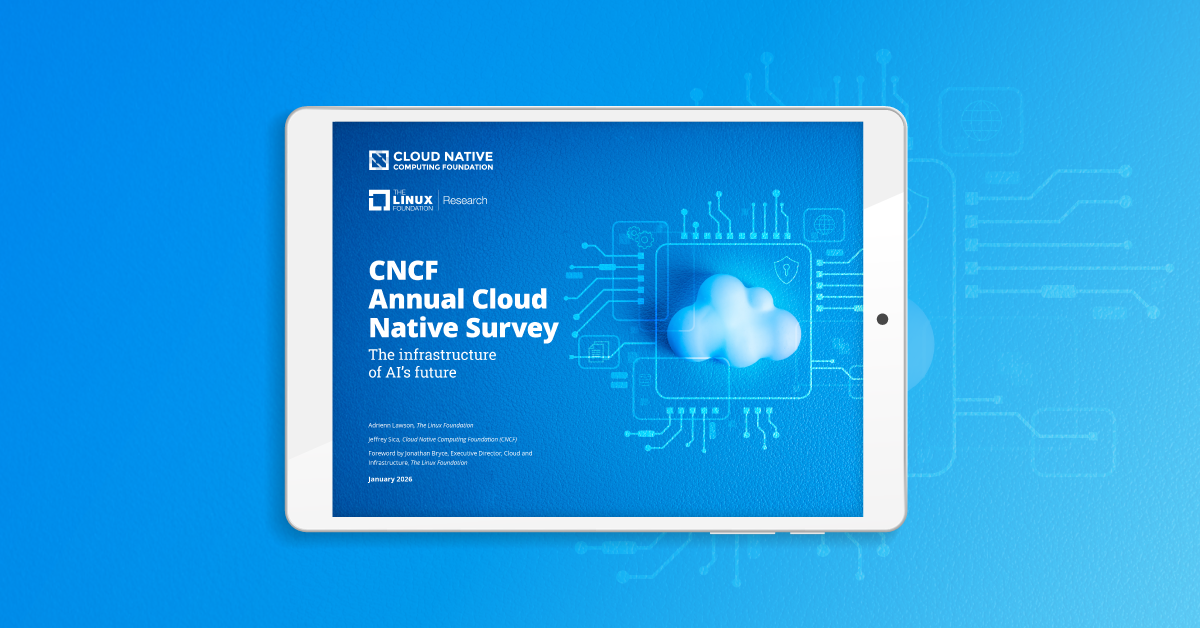
That’s the slice of container users cranking Kubernetes in production right now, per the latest CNCF Annual Cloud Native Survey. Not some pilot project fluff – real, scaled deployments fueling AI’s explosion.
Kubernetes isn’t just orchestrating containers anymore. It’s the steel frame holding up AI inference workloads for 66% of adopters. Think about that: organizations chasing AI dreams aren’t rigging up bespoke clusters; they’re leaning on this open-source behemoth because it delivers reliability at warp speed.
And here’s the kicker – 98% of surveyed orgs have swallowed cloud native tech whole. Kubernetes has leaped from “nice-to-have” to the default OS for the cloud.
Kubernetes: Enterprise’s Reluctant Standard
Organizations aren’t experimenting; they’re standardizing. Survey data screams it: teams have ditched the chaos of one-off deploys for consistent models, baked-in best practices. Kubernetes lets you build systems that don’t crumble under load – observable, scalable, ready for AI’s hunger.
But wait. AI adoption? Still crawling. Only 7% deploy models daily last year; over half skip training altogether. They’re not building Skynet; they’re squeezing value from off-the-shelf models, cost-effectively.
“Success requires treating AI/ML as a first-class infrastructure challenge, not just an algorithmic one.”
That quote from the report nails it. Kubernetes bridges the ambition-reality chasm, unifying scale, deploys, management. No more siloed AI hacks.
Why Kubernetes Conquered AI Infrastructure?
Look, it boils down to architecture. Early AI was a science project – Jupyter notebooks, single GPUs. Now? Inference at petabyte scale demands orchestration that Kubernetes perfected over a decade. Horizontal scaling? Check. Auto-healing? Baked in. Multi-cloud portability? Non-negotiable.
Mature teams – the “innovators” – GitOps the hell out of everything. 58% use it, versus zero percent of dabblers. Internal dev portals, automated pipelines: these aren’t buzz; they’re the how behind scaling AI without melting data centers.
Observability seals the deal. OpenTelemetry’s ripping ahead as CNCF’s hottest project. Real-time traces on dynamic AI workloads? Without it, you’re blindfolded in a storm.
Short para: Culture’s the villain now.
47% point to it as the top barrier – first time it’s edged out tech complexity or security. Dev teams resist the shift; workflows ossify. Technical foundations are rock-solid, but humans? They’re the fragile link.
My take? This echoes Linux’s 90s takeover. Hardware commoditized; culture decided winners. Mainframes died not from tech inferiority, but because orgs couldn’t pivot. Bold prediction: Kubernetes-fueled AI consultancies will boom, force-feeding GitOps to laggards. CNCF’s data isn’t hype – it’s a culture war manifesto.
Platform engineering isn’t optional; it’s survival. Explorers flail; innovators fly because they treat infra as code, not cargo cult.
Will Culture Kill Kubernetes AI Momentum?
Probably not kill it – but it’ll stratify winners brutally. Fast adopters (that 66%) pull away, using Kubernetes to orchestrate inference fleets that print money. Stragglers? Stuck in “pilot hell,” citing “change management” while competitors ship.
Sustainability looms darker. AI’s machine hordes hammer open source maintainers. The report’s blunt: systems teeter on “dangerously fragile premises.” Without contributions, burnout hits. Kubernetes thrives on community oxygen – orgs must pay up, or watch it gasp.
CNCF’s pushing: webinars, standards, maintainer support. Smart. But enterprises? Time to ante up beyond free-riding.
So, align now. Data doesn’t lie; community doesn’t either. Kubernetes isn’t choosing you – you’re choosing scale or stagnation.
**
🧬 Related Insights
- Read more: Hugging Face’s Open-Source AI Boom: Indies and China Reshape the Power Map
- Read more: rs-trafilatura Supercharges Crawl4AI: 1.7% F1 Boost on Real-World Benchmarks
Frequently Asked Questions**
What is Kubernetes adoption rate for AI in 2026?
82% of container users run it in production; 66% of AI adopters use it for inference scaling.
Why is organizational culture the top cloud native barrier?
47% cite dev team resistance – tech’s solved, but workflows and mindsets lag.
How does GitOps help scale AI on Kubernetes?
58% of top innovators use it for consistent, automated deploys – zero explorers do.
