Why does everyone cheer free speech until it punches their sacred cow?
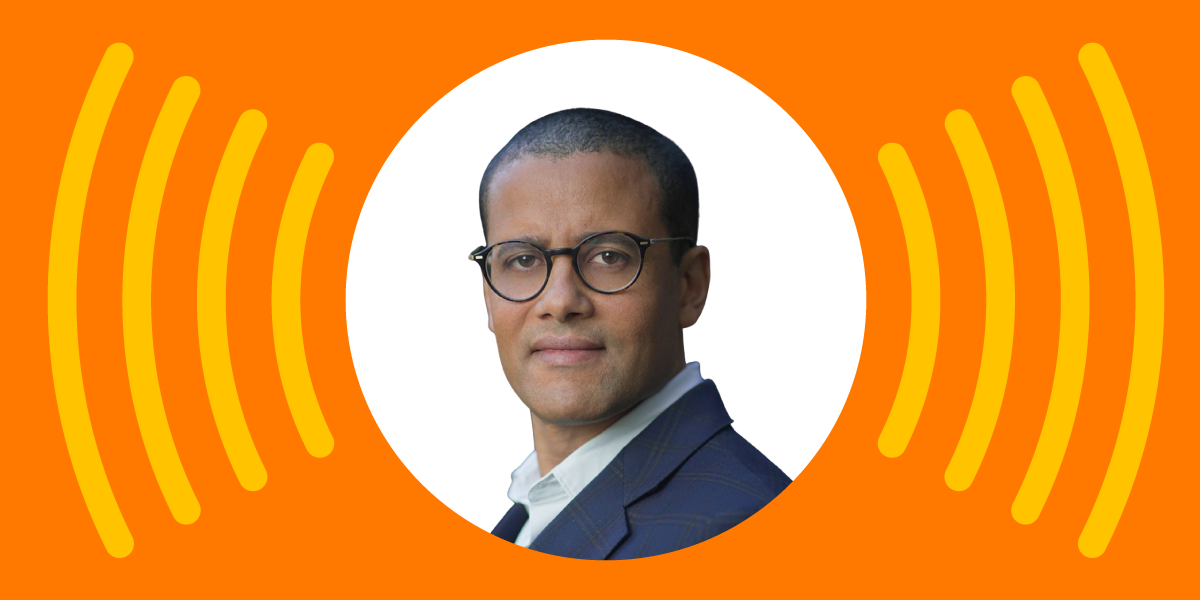
Jacob Mchangama, the Danish free speech warrior who’s spent years dissecting this mess, knows better than most. Born in liberal Copenhagen, he took it all for granted — like clean air in a Nordic summer. Then came the Jyllands-Posten cartoons in 2005. Muhammad doodles with crayons. Response? Riots, bombings, AK-47s. Suddenly, the air got thick.
And here’s the kicker — positions flipped faster than a politician’s promise. Lefties, who’d defended speech before, cried ‘punching down on minorities.’ Right-wingers, once absolutists, started eyeing hate speech laws to ‘protect democracy.’ Sound familiar? It’s the blueprint for today’s tech wars.
“I think there’s a huge tendency to take all the benefits of free speech for granted and focus myopically on the harms, real and perceived, of speech.”
Mchangama nails it. We’re spoiled. You and I, chatting uncensored across borders — unimaginable a generation ago. Dissidents in Iran or Russia? They’d kill for this. But nah, we’re too busy fretting over ‘hate speech’ that bruises feelings.
What Shaped a Free Speech Zealot?
Picture young Jacob, surfing post-Cold War optimism. Denmark, peak progressivism. Free speech? Baked in. No biggie.
Then cartoons. Global jihad meets domestic pearl-clutching. Governments — left and right — pivoted to restrictions. Mchangama dove deep, founding the Danish Free Press Society, then think tanks worldwide. Now he’s warning Silicon Valley: your AI moderators are repeating history.
Look, I’ve covered 20 years of Valley hype. Remember when Facebook promised ‘community standards’ as neutral guardians? Yeah, right. Who profits? Advertisers dodging boycotts, governments whispering content tweaks. Free speech? Nice until it costs clicks.
Why Do We Forget Free Speech’s Wins?
Every underdog victory — abolition, civil rights, gay marriage, suffragettes — rode on words first. No votes, no guns. Just fierce speech. Women jailed for burning effigies. Black voices drowned in mobs. Yet they spoke.
Mchangama’s point: we romanticize harms (tweets that offend) but ignore the oxygen speech provides. In AI land? Grok or ChatGPT refuses your prompt on ‘sensitive’ topics. Why? Not safety — liability. Trained on sanitized data, these models ape the cartoon-era flip-floppers.
But here’s my unique take, one the interview skips: it’s Denmark 2.0 with algorithms. Remember Midjourney blocking ‘Tiananmen Square’? Or DALL-E nixing politicians? That’s not neutrality; it’s preemptive surrender to the outrage mob. Historical parallel? The 1930s Hays Code in Hollywood — self-censorship to dodge moral panics. Big Tech’s doing it digitally, raking billions while preaching ‘openness.’ Cynical? You bet.
Short para for punch: Tech’s free speech is conditional. Always has been.
Now, unpack the polarization Mchangama flags. It’s global. US campuses silence ‘microaggressions.’ Europe fines ‘hate tweets.’ Platforms? AI enforcers, biased by training data skewed left (per studies I’ve seen). Flip sides when it suits: progressives mute Trump, conservatives cheer; then swap on Gaza posts.
No consistent team. Free speech’s lonely.
Is AI Moderation the New Cartoon Crisis?
Absolutely. Platforms like X (post-Musk) loosen reins — chaos ensues, advertisers flee. Meta? Doubling down on AI filters, banning ‘misinfo’ that shifts with elections. Mchangama’s Spinoza def — think what you want, say what you think — clashes hard with ‘safety layers.’
I’ve grilled Valley execs on this. ‘Nuance,’ they say. Bull. It’s profit protection. Governments lean in: EU’s DSA mandates ‘risk assessments.’ China’s already got AI censors baked in. Who’s making money? Compliance consultants, AI safety startups (irony?). Not creators.
Bold prediction: by 2027, we’ll see ‘cartoon riots 2.0’ — viral AI-gen images sparking embassy burnings. Tech will blame ‘bad actors,’ tighten models further. Free speech? Further commodified.
Mchangama’s optimism? Slim. He pushes historical memory — speech’s track record trumps fear. But in tech? We’re building digital blasphemy laws, one prompt refusal at a time.
Wander a bit: remember when Google nixed ‘don’t be evil’? Now it’s ‘be safe, or else.’ Cynics like me see the grift.
The Global Stakes for Techies
Forget Westocentrism. Billions in authoritarian zones navigate AI gatekept by Western firms. Vent against Putin? Flagged. Iranian protests? Throttled.
Mchangama contrasts: we gripe about offense; they fear torture. Tech’s role? vital — or perilous.
One-line zinger: Free speech isn’t free if bots decide.
Dense wrap: Platforms claim ‘freedom with responsibility.’ Translation: obey or get deplatformed. Historical echo? Pre-internet gatekeepers — editors, censors. AI democratizes? Ha. Centralizes power in code.
🧬 Related Insights
Frequently Asked Questions
What does free speech mean according to Jacob Mchangama?
It’s Spinoza’s take: freedom to think what you want and say what you think — simple, profound.
How did the Danish cartoon crisis change views on free speech?
It flipped political alliances overnight, showing no one’s truly committed when their ox gets gored.
Why is free speech under threat in AI platforms?
Moderation algorithms prioritize ‘safety’ over openness, echoing historical self-censorship to avoid backlash.