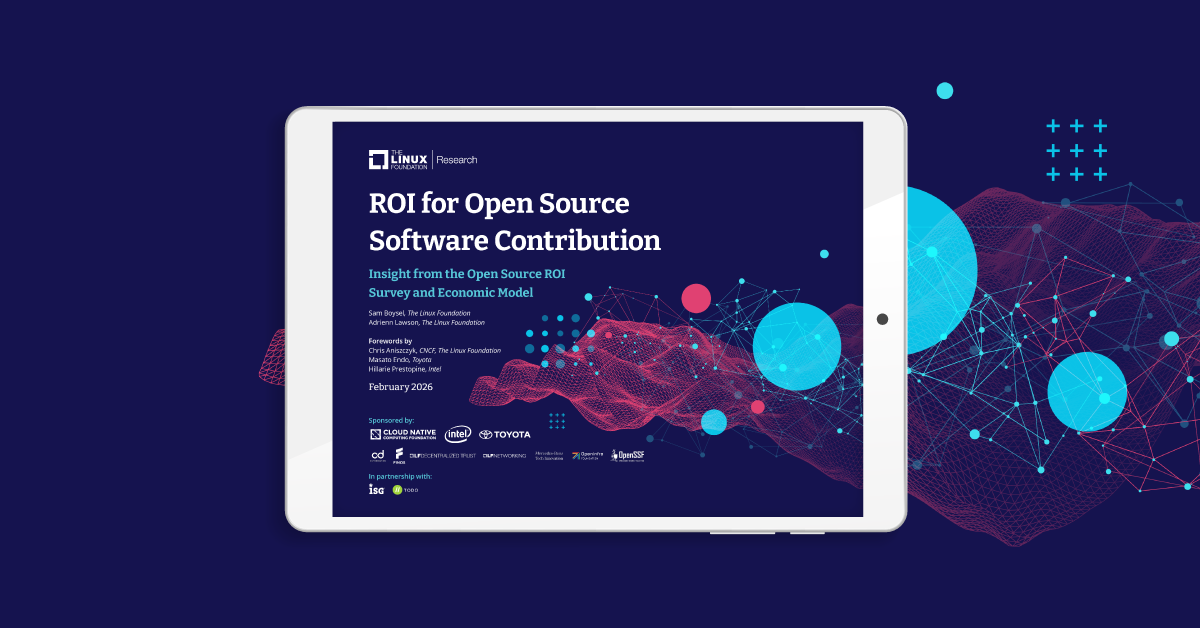
Your average engineer — yeah, the one pulling 60-hour weeks — finally gets some ammo to bug the boss about open source contributions. This Linux Foundation report drops hard numbers: using OSS nets companies a tidy 4.8x return on investment. No contributions needed. Just download and deploy.
But here’s the kicker. C-suite types still balk at ponying up cash or dev hours. Why? Because ‘ROI’ sounds fuzzy until it’s spreadsheet-ready.
Does Open Source Actually Pay 4.8x?
Look, I’ve chased these OSS ROI stories since the dot-com bust. Back then, everyone rode Apache and Linux for free, built empires, gave squat back. Fast forward — or not, since nothing changes — and the Linux Foundation’s latest “ROI for Open Source Software Contribution” report spells it out. Use OSS? 4.8x ROI. Join a foundation like CNCF or CD Foundation? Same multiplier. Start coding or community-building? Even juicier gains.
They back it with surveys, case studies, the works. Solid methodology, or so they claim. But dig in: who’s surveyed? Big tech mostly — Google, Microsoft, that crowd already hooked deep into OSS.
“By now, most organizations know using Open Source Software (OSS) is great for business. The problem is, many of them hesitate to actively contribute their money and developers’ time. The C-Levels and VCs want to know: ‘What’s the ROI?’”
That’s straight from the CD Foundation blog kicking off the report. Spot on. Execs love free rides.
Small outfits? Barely register. Your startup scraping by on React and Kubernetes won’t see these returns without scale. And scale means you’re already a whale.
The Cost of Keeping to Yourself.
That’s their subhead. Cheeky. Hoard your fixes, your patches? You’re leaving money on the table. Contribute code, you influence direction — think priority features landing faster. Community work? Networking gold. Members get intros to talent, partners.
Who Makes Money in This ‘Ecosystem’?
Ah, the eternal question. Foundations like Linux Foundation rake in dues — millions yearly from the same companies touting ROI. CNCF? Toyota-level cash from hyperscalers. It’s symbiotic. Companies get legitimacy, foundations get fat checks.
My unique spin: this mirrors the 90s browser wars. Netscape open-sourced, birthed Mozilla. Microsoft crushed IE for free, gave zilch back. Today? Google dominates Chromium, contributes just enough to steer. Prediction: without mandated reciprocity — fat chance — OSS grinds toward ‘openwashing.’ Shiny licenses, corporate control underneath.
Real people? Devs burn out maintaining unthanked projects. Companies? Save pennies, risk forking hell when maintainers quit. Remember Heartbleed? Proprietary would’ve charged fixes.
Numbers break down neat. Passive use: 4.8x. That’s developer time saved versus building from scratch. Active foundation membership: ditto, plus governance sway. Code contributions: 5-7x, they say, from faster bug fixes, custom features upstreamed.
But cynicism check. Survey bias? Self-reported ROI. No public data dumps. Linux Foundation won’t release raw numbers — trade secrets, probably.
And VCs? They fund startups guzzling OSS, demand proprietary moats. Contribute? Only if it blocks rivals.
So, for the mid-market CTO sweating AWS bills: dip a toe. Join a foundation cheap — under 10k/year for basics. Send one dev to a SIG meeting. Test the waters.
Is Contributing Code a Sucker’s Bet?
Not always. If you’re in cloud-native — Kubernetes, say — yeah. Your pulls get merged, your brand shines on GitHub. Resumes glow.
But niche projects? Crickets. Time sunk, no payback.
Report pushes ‘strategic contributions.’ Smart. Target high-impact repos your stack relies on. Not every hobby fork.
Here’s the thing — sprawl through the report, and it’s clear: ROI spikes with scale. Unicorns win big. Your 50-person SaaS? Meh, 2x tops, if lucky.
Em-dashes for emphasis — companies chase vanity metrics (stars, forks) over actual dollars. Real win: reduced vendor lock-in.
(Parenthetical: Ever audit your OSS bill? Billions in free value, sure. But hidden costs — security scans, legal reviews — eat half.)
Wander a bit: remember when Oracle sued Google over Java APIs? OSS saved Android, cost billions in legal. ROI there?
Massive.
Pushback time. Critics — me included — say foundations overhype to juice memberships. Concrete numbers help, but where’s the longitudinal study? Five-year tracks on contributors versus freeloaders?
None. Yet.
For real people: engineers, demand comp time for OSS. Companies, budget it like any R&D. Or watch talent flee to FAANG, where it’s baked in.
Why Execs Still Hesitate
Fear. IP leakage. ‘What if competitors copy our patches?’ Newsflash: they already fork your closed code via supply chains.
Regulatory heat — EU’s pushing OSS mandates. Ignore at peril.
Bottom line? Worth it. But strategically. No blank checks.
🧬 Related Insights
- Read more: AmpereOne M Supercharges Spark—Or Does It? Benchmarks Under the Hood
- Read more: A Production Bug Made 73% More Revenue Than Any Feature We Built. Here’s What It Taught Us.
Frequently Asked Questions
What is the ROI of open source contributions?
Linux Foundation pegs it at 4.8x for basic use, higher for active giving. Scale matters — big firms crush it.
Is open source worth the investment for small companies?
Tricky. Passive yes, contributions maybe if targeted. Start small, measure.
Should my company join an open source foundation?
If you’re deep in their ecosystem, absolutely. Perks outweigh dues for most.