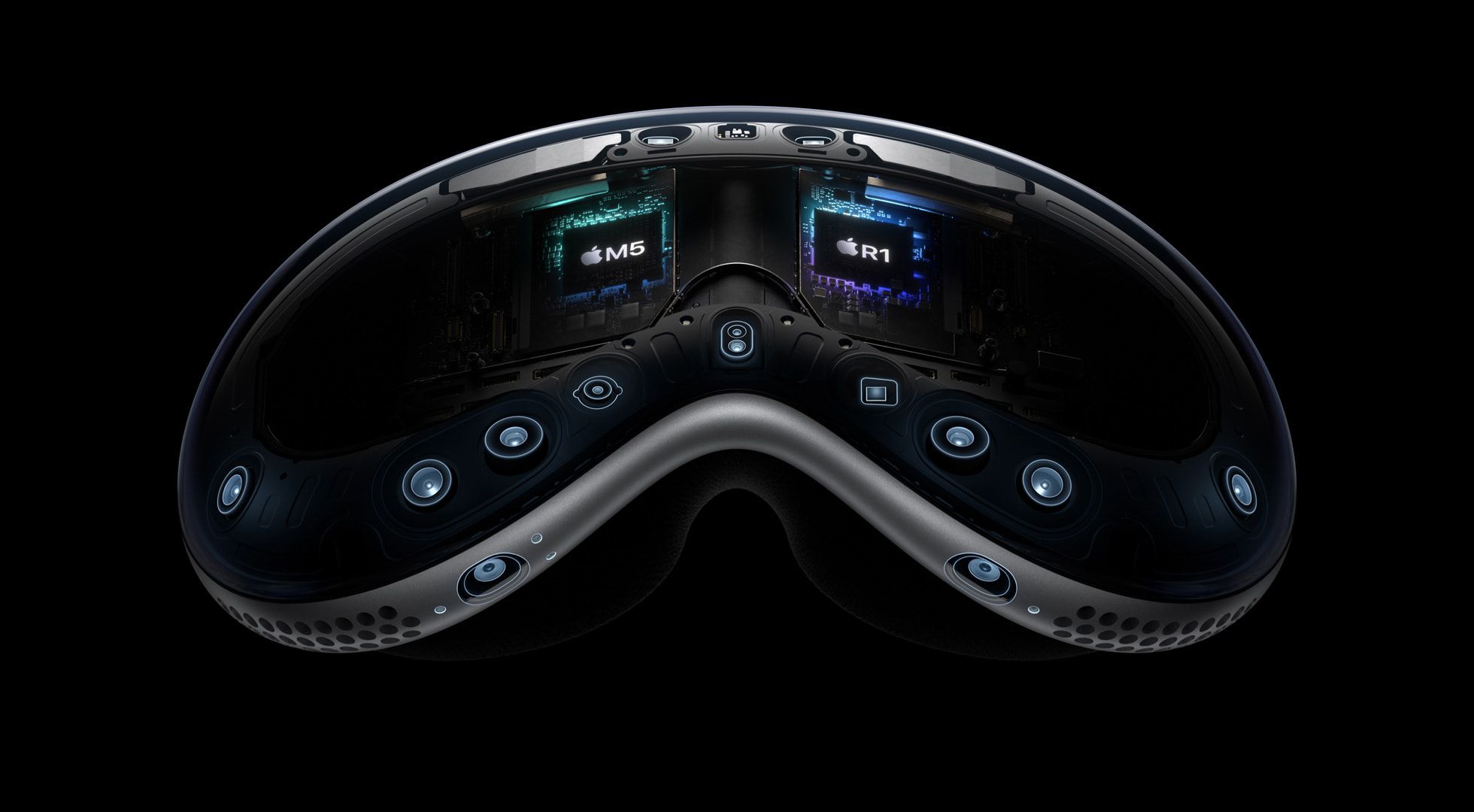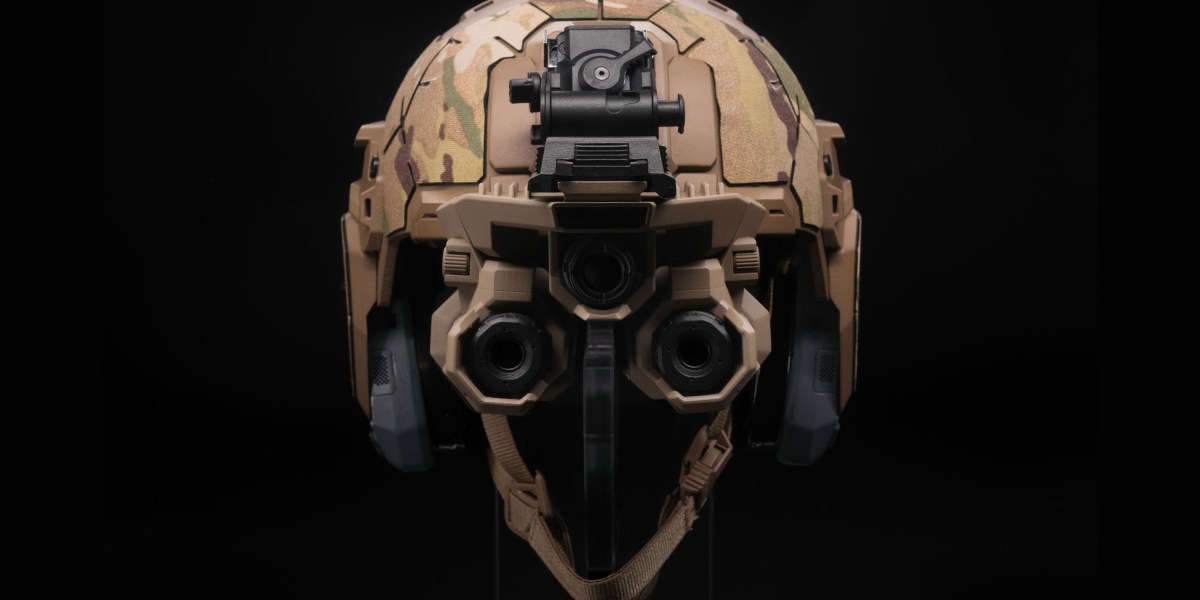
So, Anduril’s got these new AR goggles. For the military. They’re prototyping this thing with Meta, and the goal, according to the VP leading the charge, is to optimize “the human as a weapons system.” Yeah, you heard that right. Cyborg soldiers, drones and soldiers seeing eye-to-eye, making decisions as one. Twenty years in this business, and I’ve seen more than my fair share of shiny objects pitched to the Pentagon, but this one… this one’s got a particular brand of silicon valley hubris wrapped in military ambition.
They’re actually working on two versions. One’s for the Army, called SBMC, a $159 million contract to slap AR glasses onto existing helmets. The other? That’s Anduril’s own pet project, a self-funded gig called EagleEye. They’re building the whole helmet-headset combo themselves, figuring the military will just prefer it and buy it in the end. Bold. Very bold. It reminds me of the old days with DARPA projects – throw enough money at a problem, and maybe, just maybe, you’ll invent something useful. Or at least something that burns through a lot of cash.
The problem is, these things are years away from anything resembling actual combat. The Army’s own SBMC program isn’t slated for production until 2028, if they even pick a winner. Remember Microsoft’s stab at this? A $22 billion contract that went poof because the glasses just didn’t cut it. This tech is fragile, and the battlefield is unforgiving.
What exactly will these things do? Well, depending on the situation, they’ll slap information onto a soldier’s view. Think a compass, a map, drone locations, maybe even AI flagging a suspicious truck. Fancy. Then, the soldier yammers into a headset. “Evac this guy.” “Avoid this zone.” They’re using LLMs – Google’s Gemini, Meta’s Llama, even Anthropic’s Claude (which is rich, considering the Pentagon’s beef with OpenAI’s investors) – to translate that human chatter into machine commands. All of it feeds into Anduril’s own software, Lattice, meant to fuse data from every piece of military hardware into one coherent picture. The Army’s already shelling out $20 billion to integrate Lattice across its infrastructure. That’s where the real money is, folks. Software. Always software.
The real kicker is the multi-step tasks. A soldier could theoretically tell a drone to scope out an area, report back if it finds something specific, and then the system spits out options for striking – all needing chain-of-command approval, of course. And get this: they’re pushing for eye-tracking and subtle taps to do this, bypassing voice altogether. Imagine commanding a drone strike with just a twitch of your eyeball. It sounds like something out of a bad sci-fi flick. Anduril claims they’ve got early prototypes, but nothing ready for the Army to kick the tires on at scale. Plus, they’ve got to build new supply chains, all thanks to Uncle Sam’s insistence on cutting out Chinese companies.
Now, here’s the rub: Soldiers are already drowning in information. Jonathan Wong, a former Marine and now a RAND researcher, points out that if these glasses don’t save a soldier mental energy, they’ll just reject them. He remembers his own platoon commander days, juggling three radio channels simultaneously. “The moment that two people were on different channels talking at the same time, I immediately couldn’t comprehend anything that either one of them was trying to tell me, and I was probably not aware of my own surroundings.” He’s right. There are limits to human cognitive capacity.
Wong believes these glasses could ease that overload. Anduril’s betting on eye-tracking and voice to speed things up. But even if it’s technically feasible, it’ll take years of brutal field testing to see if soldiers actually find it useful. The military’s addiction to imperfect AI systems is accelerating. Computer vision has been a staple for years, and now chatbots are coming to the party. This is the next logical, and perhaps terrifying, step.
Why is this Tech Being Developed for Warfare?
This isn’t about making your commute more convenient. Anduril, a defense contractor through and through, is driven by the lucrative defense spending market. Their goal, as stated by Quay Barnett, is to optimize “the human as a weapons system.” This implies a future where soldiers are more integrated with technology, making faster, more data-driven decisions on the battlefield. Meta’s involvement, while ostensibly for their AR expertise, also places them firmly in the lucrative defense sector, which, let’s be honest, has a much higher profit ceiling than selling social media ads or VR headsets to consumers. Who’s getting rich here? Defense contractors, AI firms, and the companies supplying the components. The soldiers? Well, they’re the end-users, hopefully benefiting from increased battlefield effectiveness, but also carrying the burden of integrating complex, potentially overwhelming technology.
Is This Just Another Case of Military Tech Overpromising?
History is littered with ambitious military tech projects that fizzled out or proved impractical. The $22 billion Microsoft IVAS program cancellation looms large. The defense industry thrives on innovation, but also on big promises that don’t always materialize. The inherent complexity of fitting advanced AR into the chaotic reality of combat, combined with the delicate balance of human cognition, makes this a high-risk, high-reward endeavor. If these glasses are clunky, unreliable, or, worse, distract soldiers from their surroundings, they’ll be discarded faster than a bad firmware update. Anduril and Meta are betting big on a future where soldiers are cyborgs, but the path from prototype to battlefield necessity is a long and uncertain one.
**
🧬 Related Insights
- Read more: Google’s Wheelchair Checkbox is Broken—Here’s the Real Fix Hiding in Plain Sight
- Read more: 50-Line RAG Hack Slashes Claude Code Tokens 10x on My 22K-File Unity Beast
Frequently Asked Questions**
What exactly are Anduril and Meta building? Anduril and Meta are collaborating on augmented-reality (AR) glasses for military use. The prototypes aim to overlay critical battlefield information onto a soldier’s field of view and allow for voice or eye-controlled commands for tasks like coordinating drones.
Will these smart glasses replace soldiers? The stated goal is to optimize the soldier as a ‘weapons system,’ not replace them. The technology is intended to enhance a soldier’s situational awareness and decision-making capabilities, allowing them to process information and act faster, potentially leading to more effective operations.
How much is this project costing? Anduril won a $159 million contract for one project with the Army. The company is also self-funding its own helmet-headset combo, EagleEye. Additionally, the Army is investing $20 billion to integrate Anduril’s Lattice software across its infrastructure, indicating significant overall investment in this tech ecosystem.