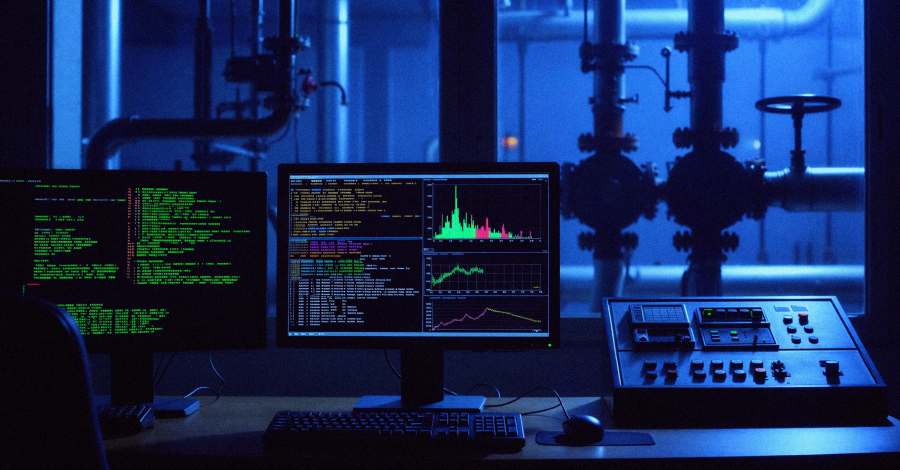
Steam hisses from a pressure valve in a Texas power plant, operators oblivious as Iranian code whispers lies into their control screens.
Iran-linked hackers targeting industrial control systems—ICS, the beating heart of our water plants, energy grids, power stations—are no longer a distant rumble. They’re here. Punching through exposed programmable logic controllers, or PLCs, mostly Rockwell’s but Siemens too, and causing real chaos: disrupted ops, drained wallets, maybe worse down the line.
CISA dropped this bomb of an advisory, teaming with FBI and others, spotlighting how these creeps exploit internet-facing HMIs, SCADA setups, even legit tools like Rockwell’s Studio 5000 Logix Designer. Government services, water utilities, energy outfits—prime targets. And here’s the kicker: thousands of these devices still blink online, North America alone over 3K Rockwells begging for trouble.
Why Are So Many PLCs Still Internet-Exposed?
Look. We’ve known this vulnerability dance for years—CyberAv3ngers hit Unitronics PLCs last year amid Middle East flare-ups, remember? Markus Mueller from Nozomi Networks nails it:
“The advisory is not surprising. We have observed nation-state-aligned threat groups targeting publicly exposed operational technology (OT) devices in recent years whenever there’s increased geopolitical activity… Many of these devices are still online (in the case of Rockwell, more than 3K in North America), either because organizations are unaware they’re connected or because they underestimate the risk.”
Boom. Geopolitics amps up, and suddenly your OT glows like a neon sign in Tehran. But why? Legacy systems, sure—plenty of these PLCs predate firewalls as we know ‘em. Budgets tight, “it works, don’t touch it” mentality. (And yeah, vendors like Rockwell screamed warnings back in March—Advisory SD1771—but who listens?)
Organizations kid themselves: “We’re air-gapped.” Ha. Shadow IT, rogue VPNs, forgotten remote access ports—poof, exposed. Mueller predicts escalation: as conflicts drag, cyber shifts from DDoS pranks to deep OT pokes. No public US breaches yet? Probably stealth mode, or focused elsewhere. But wait—tempo’s rising.
This isn’t random script-kiddies. Surgical strikes. Overseas IPs dialing straight into port 44818 (EtherNet/IP, Rockwell turf), 102 (Siemens S7comm), 502 (Modbus, everybody’s party). Vendors scrambling: Rockwell, Siemens advisories out. Still, defenders sleepwalk.
And the human cost? Imagine a water treatment op eyeballing bogus pH levels—dumps wrong chemicals, boom, tainted supply or fried pumps. Denis Calderone, CTO at Suzu Labs, paints the nightmare:
“If your display is showing you normal pressure, flow, or chemical dosing levels and the actual values are different, you’re making operational decisions based on false data. That’s how equipment damage and safety incidents happen.”
Chilling. Rockwell owns 35-40% US PLC market, but don’t snooze if you’re Siemens or Schneider. Protocols cross brands—this party’s open invite.
Could This Spark the Next Stuxnet 2.0?
Here’s my wild take, one you won’t find in CISA’s dry PDF: this echoes Stuxnet’s ghost, that 2010 worm which spun Iranian centrifuges to scrap via Siemens PLCs. Back then, air-gapped meant safe—mostly. Now? Internet exposure turns ICS into a global playground for nation-states. Bold prediction: hybrid warfare becomes the new normal post-ceasefire. Kinetic bombs fade, cyber saboteurs thrive—like digital insurgents embedding in our grids forever.
Think of it as the Wild West meeting the factory floor. Cowboys (hackers) ride in on public nets, rustle your PLC logic files, reprogram on the fly. Studio 5000? Their own gun turned against ‘em. Vendors hype segmentation, but reality? Most setups are Frankenstein IT-OT mashups, begging exploitation.
Corporate spin check: Rockwell’s advisory? Solid, urgent. But their PR glosses over how many customers ignored prior nudges. Shame on us for not segmenting sooner—this platform shift from isolated OT to cloud-teased connectivity? It’s a double-edged sword, gleaming with risk.
Defenders, wake up. CISA’s prescription: yank PLCs off internet—period. No excuses. Use diodes for one-way data, network segmentation ( Purdue model, anyone?), continuous monitoring. Tools like Nozomi’s OT visibility? Gold. Shadow traffic hunting via Shodan reveals your exposures—do it yesterday.
But here’s the energy: this chaos births opportunity. ICS security’s exploding—AI-driven anomaly detection spotting Iranian fingers before they twitch a valve. Imagine guardians patrolling digital plants, predictive like weather apps for hacks. Futurist thrill: we’re on the cusp of cyber-physical resilience, turning vulnerabilities into unbreakable shields.
Short term? Patch HMIs, rotate creds, hunt IOCs (those ports screaming compromise). Long game? Embed security in OT design—zero-trust factories. Conflicts wax, wane; threats? Eternal.
Water flows. Power hums. But only if we armor up.
What Should ICS Operators Do Right Now?
Audit exposures. Tools: Censys, Shodan—query your PLC fingerprints. Segment networks—OT never touches IT public face. Monitor protocols: EtherNet/IP chatter from Tehran? Alert.
Train ops: false data drills. Vendors: push harder, maybe liability sticks.
Escalation looms. Act.
🧬 Related Insights
- Read more: Germany Names REvil and GandCrab Boss: Meet Daniil Shchukin
- Read more: Infiniti Stealer: macOS’s Sneaky New Thief via Fake CAPTCHA and Terminal Tricks
Frequently Asked Questions
What does Iran ICS hacking mean for US utilities?
Hackers tamper with PLCs in water and energy, feeding fake data to cause disruptions or damage—exposures persist despite warnings.
How do I secure Rockwell PLCs from these attacks?
Disconnect from internet immediately, segment networks, monitor ports 44818/102/502, apply vendor patches like Rockwell SD1771.
Is this just Rockwell or all PLC vendors?
All—advisory hits Siemens S7comm too, Modbus universal; no brand safe if exposed.