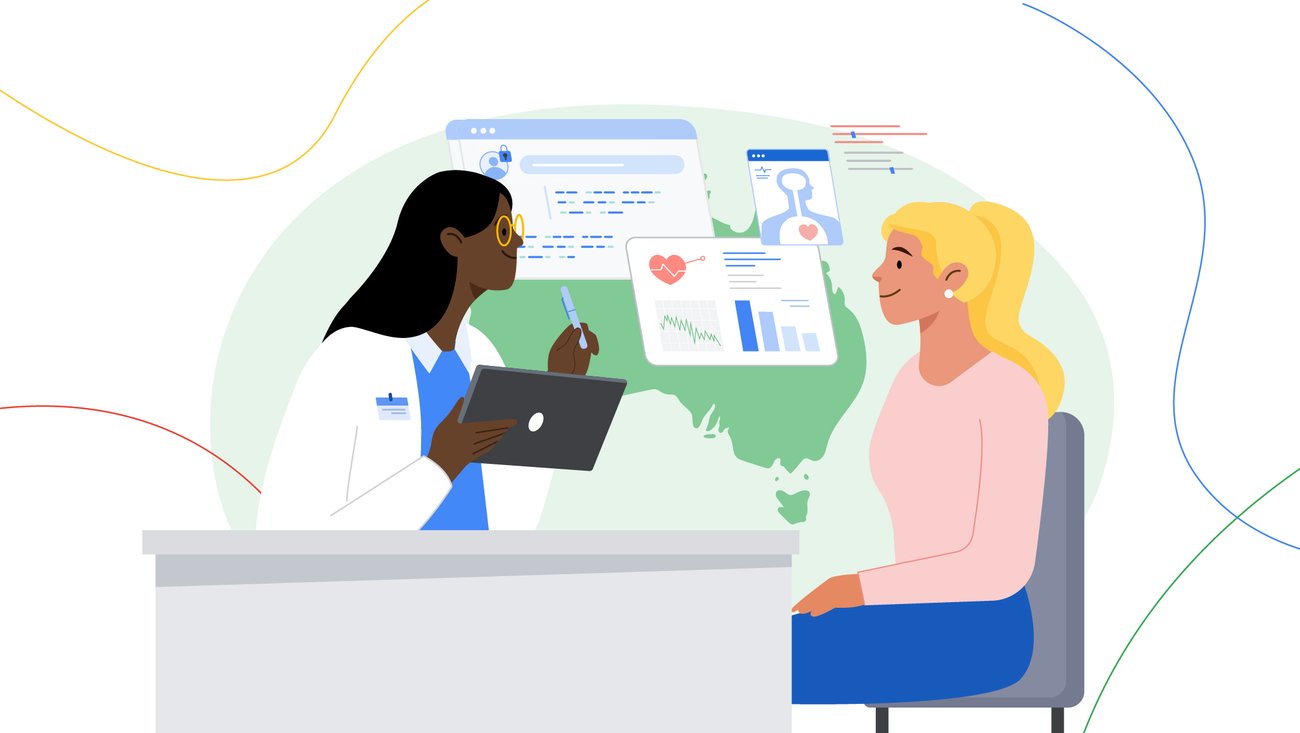
Picture this: you’re in the dusty heart of rural Australia, chest pains kicking in, nearest clinic a four-hour drive. No ambulance shortcut, no quick scan. That’s the nightmare for thousands—folks 60% more likely to die from heart disease than city dwellers.
Google’s latest play? Slap AI on it. They’re teaming with local health outfits to predict risks before hearts give out. Sounds noble. But after two decades chasing Silicon Valley’s health saviors, I’m asking: who pockets the win here?
Can AI Spot Heart Trouble in the Bush?
Here’s the pitch. Google’s Population Health AI—PHAI for short—crunches de-identified data from clinics, Google Maps air quality, even pollen counts. It paints community risk maps, tailored to postcodes where fresh veggies are rarer than reliable internet.
“People living in remote Australian communities are 60% more likely to die from heart disease than those living in metropolitan areas.”
That’s straight from the release—stark stat, no sugarcoating. PHAI layers that with Earth AI models, spotting patterns humans miss. Partners like Wesfarmers Health’s SISU are screening 50,000 remote folks, feeding results back in. Proactive, they say. Shift from Band-Aids to prevention.
But wait. Aggregated data sounds safe—privacy first, right? Tell that to past AI health flops. Remember IBM Watson? Billions poured in, promised cancer cures, delivered meh. Google’s got form too—Flu Trends crashed on bad data. Rural spots? Sparse records, spotty signals. This proof-of-concept might shine in trials, dim in the red dirt.
My take? Bold prediction: if PHAI nails even 10% risk reduction, it’ll spawn copycats worldwide. Outback success could greenlight AI for global backwaters. Yet Google’s $1M DFI cash—peanuts for them—feels like seeding PR, not revolution.
Outback docs I’ve talked to love the screenings boost. SISU’s hitting roads with mobile units, consent forms in hand. Real action. But the AI engine? It’s Google Maps on steroids—places data, pollution trends. Handy for urban tweaks, trickier where towns blink on satellites.
And money. Who’s cashing checks? Google.org funds it, tax write-off gold. Partners get tech glow-up—Victor Chang Institute, Latrobe Health. Patients? Free insights, maybe longer lives. But scale it: data hunger grows, privacy walls crack. Australia’s GDPR cousin watches close.
Who’s Really Winning from This AI Heart Push?
Look, partnerships scream win-win. $1M AUD from Google’s Digital Future Initiative—nice chunk for down under. SISU analyzes their records, spots trends like rising risks in mining towns. Tailored fixes: more checkups where pollen spikes asthma-heart combos.
Cynic hat on. This reeks of Google mending image post-antitrust heat. Health AI? Wholesome pivot from ad-tracking roots. PHAI’s “first for Asia-Pacific” badge? Regional flex. But rural Australia’s no Silicon sandbox—internet lags, trust low. Tech’s gotta earn it.
Historical parallel nobody mentions: 90s telehealth hype. Heralded rural saviors, sputtered on bandwidth woes. Now AI promises leapfrog. Maybe. Or same old: pilots praised, rollout rusts.
Real people angle—truckies, farmers ignoring twinges ‘til ER dash. PHAI flags postcode hot zones early. Screenings hit 50k, that’s boots-on-ground scale. If it cuts one needless death? Worth it. But Google’s not running clinics—they’re the data wizard behind.
Privacy dance is slick. De-identified, aggregated, consented where needed. Google swears no peeking at individuals. Fine print: models train on public-ish data. Yet aggregated can re-identify in small towns—stat nerds know this.
Why Rural Heart Health Screams for Skepticism
Australia’s health system’s top-shelf, metro-wise. Bush? Gaps gape. Heart disease kills remotely ‘cause delays kill. AI bridges? Theoretically yes.
But here’s the rub—one insight originals skip. Google’s PDFM—Population Dynamics Foundation Models—relies on movement patterns, urban-biased. Rural flux? Shearers migrate, miners shift. Models glitch there, spitting wonky risks.
Partners counter: blend with local data. Victor Chang brings cardiac smarts, SISU boots. Hybrid hope. Still, proof’s in pudding—post-pilot stats.
Short version: promising nudge, not savior.
Action ripples. SISU’s screenings—mobile vans, pop-up checks. PHAI sifts for interventions: targeted wellness drives, food access nudges. No magic, just smarter allocation.
Cynical? Sure. But if it sticks, outback hearts beat stronger. Google’s betting on goodwill dividends.
🧬 Related Insights
- Read more: Quantum Computing Edges Closer to Turbocharging AI Supremacy
- Read more: Cursor’s $2B ARR Blitz: From Code Editor to Enterprise AI Juggernaut
Frequently Asked Questions
What is Google PHAI for heart health?
PHAI’s an AI analytics tool that mixes clinical data, Maps insights like air quality, and population models to flag community heart risks in rural areas—think postcode-level warnings.
Will AI fix rural Australia’s heart crisis?
It could spot risks early via 50k screenings, but sparse data and rollout hurdles mean it’s a helper, not a cure-all—watch for real death rate drops.
Is patient data safe in Google’s AI?
They claim de-identified and aggregated, with consent for new screens—but small-town anonymity’s iffy, so privacy hawks stay vigilant.