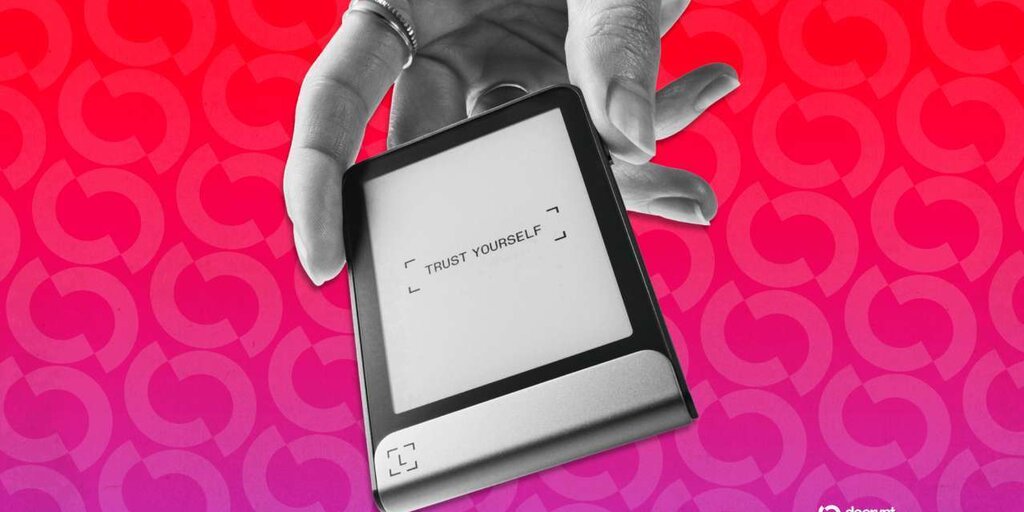
Everyone expected hardware wallets to be impenetrable. Cold storage, air-gapped devices, private keys locked away from the internet—the whole pitch is basically “Fort Knox for your crypto.” Then the U.S. Attorney’s Office for Connecticut recovered over $600,000 from a phishing scheme targeting Ledger wallet owners, and suddenly that narrative cracked.
Here’s what happened: A Connecticut resident received a letter in September 2025. Official-looking thing—letterhead from “Ledger Security & Compliance,” the works. The letter asked them to perform a mandatory security check. Seems legit, right? Except it wasn’t. Following those instructions gave fraudsters the keys to the kingdom. They cleaned out $234,000 in crypto before anyone noticed.
Federal investigators traced the stolen funds and seized approximately $600,000 in USDT stablecoin. Civil forfeiture. Wire fraud. Money laundering. The full prosecutorial playbook. But here’s the thing that should keep hardware wallet owners up at night: the vulnerability wasn’t in the device. It was in the user.
The Grift Has Gone Analog
Scammers aren’t even trying to crack your encryption anymore. Why bother? They’ve figured out something far more effective—they’re mailing you a piece of paper.
This attack pattern mirrors another recent campaign targeting both Trezor and Ledger users with physical letters bearing company logos, holograms, and QR codes linking to phishing sites. Sophisticated enough to pass a cursory glance. Intimate enough to trigger the psychological “they know where I live” panic response.
“A letter with your name and home address basically signals, ‘we can locate you,’ and that triggers a much stronger safety reaction,” David Sehyeon Baek, a cybercrime consultant, told Decrypt when describing the shift from digital to physical mail attacks.
That’s the real innovation here. Scammers aren’t trying to outthink cryptography. They’re outthinking human behavior. And they’re winning.
Why Are These Lists Even Out There?
The uncomfortable truth: all of this is only possible because hardware wallet manufacturers got breached.
Ledger suffered a massive e-commerce breach in 2020 that exposed over one million customer emails. Then another one hit their e-commerce partner in January 2026, compromising order data. Trezor’s had its share too—a 2022 MailChimp insider threat exposed user information, and a later third-party support portal breach affected around 66,000 users.
So now scammers have master lists. Names. Addresses. Proof that you own a hardware wallet (because your order shipped there). And they’re weaponizing that data with unsettling precision.
Ledger hasn’t publicly commented on this specific case, which feels like a PR miss—silence reads as indifference when your customers are bleeding money.
Is Hardware Wallet Security Actually Broken?
Not exactly. But it’s not unbreakable either, and that’s a critical distinction the industry has been blurring for years.
The device itself is still secure. Your private keys aren’t compromised. The Ledger hardware wallet didn’t fail—the user’s trust in a convincing phishing letter did. That’s an operator problem, not an engineering problem. But when you market something as “unhackable,” you’re implying protection against all vectors of attack. Social engineering? That’s still an attack.
Federal law enforcement is getting better at this, though. The FBI and Connecticut State Police traced the stolen funds across blockchains and tracked them down. That’s not security theater—that’s actual recovery. But recovery only works if someone notices the theft and reports it. How many other victims are still in the dark?
The Bigger Picture: Crypto Crime’s New Normal
This case isn’t an outlier anymore. It’s a pattern.
Federal and international authorities have been seizing substantial crypto amounts across multiple fraud categories—$200,000 in USDT tied to a Tinder “pig butchering” scam, $1.5 million in various tokens from a case involving a Chinese national. The enforcement infrastructure is improving. But so is the fraud infrastructure.
What’s changed is the sophistication level. Scammers are no longer bedroom operators running automated phishing campaigns. They’re conducting reconnaissance, gathering data from breached databases, personalizing attacks, and using the postal system to add legitimacy. They’re treating this like a business.
And from their perspective, it is one. A $234,000 score against one user? That’s a successful revenue day. The effort-to-payoff ratio is absurd. That’s why these campaigns persist.
What This Actually Means for Hardware Wallet Users
You’re not less safe. But you’re not as invulnerable as you thought either.
Hardware wallets remain the gold standard for holding crypto if you’re not actively trading. The device itself is secure. The problem is everything around it—the ecosystem, the data breaches upstream, the human factors downstream. You can own a Fort Knox if Fort Knox’s location was published in a newsletter.
The real security strategy isn’t just owning a hardware wallet. It’s assuming that scammers will find your name and address (because they probably will). It’s not clicking links in unexpected letters, even official-looking ones. It’s verifying communications through official channels you control, not ones that find you. It’s treating your crypto address like it’s the nuclear launch codes, because in a sense, it is.
Federal authorities recovering $600,000 is great. But it shouldn’t be the benchmark for security. Prevention should be.
🧬 Related Insights
- Read more: Naoris Protocol’s Quantum-Resistant Blockchain Goes Live—But Bitcoin and Ethereum Still Aren’t Ready
- Read more: Bitcoin’s Consolidation Trap: Why Bearish Bets Are Rising Even as Altcoins Rally
Frequently Asked Questions
What happened to the Ledger user’s $234,000? Federal investigators recovered approximately $600,000 in stolen cryptocurrency, though the full $234,000 may not all belong to this single victim. The funds were seized through civil forfeiture as proceeds of wire fraud and money laundering. Recovery timelines vary and depend on the legal case outcome.
Is my hardware wallet at risk if I own a Ledger? Your hardware wallet device itself is secure. The risk comes from your personal information being exposed in data breaches and used to target you with phishing attacks. If you received a suspicious letter asking you to verify your account, contact Ledger directly through their official website—don’t click any links in the letter.
How do I know if a letter from my hardware wallet company is real? Ledger and Trezor don’t typically send unsolicited mail asking you to perform security checks. Verify any communication by logging into your official account on the company’s website or calling their customer support line directly. Legitimate companies never ask you to click links or enter recovery phrases via email or mail.
