Solana meme coin tied to fake tortoise death story. Let that sink in for a second.
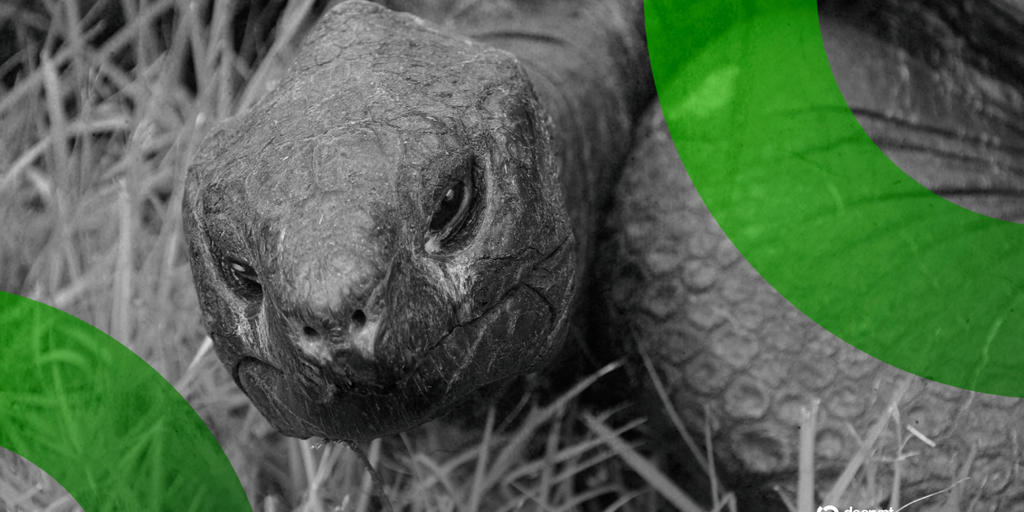
Jonathan—a 194-year-old Aldabra giant tortoise living peacefully on the remote island of St Helena—became the centerpiece of a cryptocurrency scheme so unhinged that it almost feels fictional. Except it happened. Someone, somewhere, created a Solana-based meme token, then spread reports that Jonathan had died, apparently betting that the death of a living legend would somehow pump their shitcoin to the moon.
“Jonathan remains a cherished resident of St Helena and a symbol of our island’s rich heritage. A dedicated team continues to monitor Jonathan’s health and wellbeing closely.” — Governor’s Office, St Helena (April 2, 2026)
That official statement? That was necessary because people actually believed the hoax. The St Helena Governor’s Office had to publicly confirm that a tortoise born in 1832—who survived slavery, British naval operations, and nearly two centuries of island life—was still breathing.
But here’s what makes this more than just a funny story about crypto absurdity.
Why meme coins are the petri dish of crypto chaos
Meme coins exist in a space where speculation meets comedy meets fraud, all wrapped in decentralized technology that makes accountability nearly impossible. They’re not trying to solve a problem. They’re not building infrastructure. They’re—by design—a bet on hype. And when hype is your product, the incentive structure rewards whoever can generate the most outrageous narrative.
Solana’s ecosystem has exploded with these tokens. Thousands of them. Most die within weeks. Some make early holders absurd sums of money. None of it is based on utility—it’s pure sentiment. Which means that in a world where anyone can launch a token and whisper a story into the void, why wouldn’t someone try to exploit a beloved 194-year-old tortoise?
The answer is: they did.
Is Solana becoming too easy to exploit?
This isn’t a knock on Solana specifically—Ethereum and other chains have similar problems. But Solana’s marketing has always emphasized speed and accessibility. You can launch a token for pocket change. The barrier to entry is so low that it attracts both brilliant builders and absolute grifters in equal measure. And in a permissionless system, there’s literally no one to stop the grifters from trying to weaponize sad news cycles or beloved cultural figures.
What happened with Jonathan is a perfect storm: Take a famous, beloved figure (the world’s oldest land animal, a living symbol of longevity). Add a decentralized token system with zero editorial gatekeeping. Sprinkle in a community desperate for the next 100x return. Then watch what happens when someone whispers that the symbol has died.
The misinformation spread. People bought tokens. The creator presumably made money (or tried to). And St Helena’s government ended up playing crypto referee, confirming that their tortoise was alive.
And yes, that’s as absurd as it sounds.
The real problem: we’re building hype machines, not financial systems
Meme coins aren’t aberrations in crypto. They’re the logical endpoint. When you remove regulatory friction and reduce finance to a technical protocol, what remains is pure psychology. Meme coins are just the most honest expression of that—they don’t pretend to be anything other than a bet on virality.
But virality is fragile, and it exploits human weaknesses: FOMO, tribalism, the desire to get rich quick. Add misinformation to that mix—especially false death reports targeting beloved symbols—and you’ve created a weapon.
The tortoise incident is funny because it’s so bizarre that it bounced off the surface of public consciousness like a stone skipping water. But imagine if the target had been a living person. Imagine if someone had created a token tied to a missing child or a celebrity’s death, betting that the emotional urgency would drive purchases before the truth emerged. That infrastructure already exists. It’s just waiting for someone more willing to cross certain lines.
Solana and other chains aren’t responsible for human malice. But they are responsible for building systems that make malice so easy to deploy. And so far, the response has been… nothing. The token probably still exists somewhere. The creator faces zero consequences. And Jonathan went back to his peaceful life on St Helena, completely unaware that he’d become a meme coin mascot.
What comes next
This is where I’d usually make a prediction about regulation or token reforms. But honestly? I don’t think much changes. The meme coin economy is too profitable for too many people, and crypto’s entire ethos is built around friction removal. You can’t remove friction and then selectively apply consequences. It doesn’t work that way.
What will probably happen instead is that meme coins continue to proliferate, more hoaxes get weaponized for profit, and platforms like Solana will occasionally issue statements about their commitment to responsible growth. The crypto faithful will argue (correctly) that immutability is a feature, not a bug. And the rest of us will watch, bewildered, as a 194-year-old tortoise continues to outlive crypto’s growing pains.
Jonathan has survived colonialism, climate shifts, and island isolation. He’ll survive being a meme coin’s collateral damage.
But the question that should worry the Solana ecosystem? How much longer will the broader culture tolerate a financial system where exploiting death—real or fake—is just another market opportunity?
🧬 Related Insights
- Read more: Cathie Wood Says Bitcoin’s Brutal 85% Crashes Are Over—Here’s Why That Matters
- Read more: Quantum Mining Is Here, But Your GPU Just Got Cheaper
Frequently Asked Questions
What happened to the tortoise Jonathan in the meme coin hoax? Nothing. Jonathan is alive. He’s a 194-year-old Aldabra giant tortoise on St Helena island. Someone created a Solana token and spread false death reports to hype it. St Helena’s governor confirmed Jonathan was still living and healthy.
Why do meme coins keep causing chaos? Meme coins are purely speculative assets with zero regulatory oversight. They’re designed to profit from hype and FOMO. When misinformation is added to that model—especially about beloved figures or sad events—it becomes a weapon for fast profit before the truth emerges.
Could this happen again with other celebrities or public figures? Absolutely. The infrastructure exists. Someone created a death hoax for a tortoise. The barriers to targeting a living person or a real tragedy are purely ethical, not technical. That should worry you.