Hours. That’s how long it took to pinpoint a Russian dating app tanking Parse’s Cassandra clusters back in 2011.
And here’s the kicker: the fix? 30 seconds flat, once they saw the real data.
Christine Yen, CEO of Honeycomb, doesn’t mince words about this. She’s been there — young dev at Parse, staring at graphs that lied. Aggregate metrics screamed ‘healthy,’ but customers were hemorrhaging revenue. Chaos.
“Charity came over and said, ‘The Cassandra clusters are really unhealthy. What is going on?’” Yen recalled. “She had all these graphs to back her up. But I had no visibility into it, because there were these aggregate monitoring numbers.”
Look. Devs today drown in tools. But 13 years on, we’re still mapping infra squiggles to code paths like cavemen reading tea leaves.
Why Did a Dating App Break Everything?
Picture this: Yen’s code unchanged. Usage expectations steady. Then bam — some Moscow matchmaker floods telemetry in weird shapes. Clusters buckle. No alerts tie it to which app. No drill-down to endpoints or patterns.
They resorted to TCP dumps. Manual packet sniffing on a Saturday. Primitive.
Yen calls it fear. Pure dev terror. “As a developer, I was just coming from such a place of fear,” she said. You know the type — that gut punch when metrics mock you.
Her co-founder Charity Majors, infra wizard, had graphs. Yen had zilch. Siloed hell. The real villain? Invisibility. No shared lens across teams.
Fast-forward. Facebook swallows Parse. Hyperscaler shift kills that scrappy ‘fix it now’ vibe. Engineers never meet customers. But one tool — Scuba — changes the game.
Scuba links infra woes to app IDs, SDK versions, OS flavors. The stuff that routes real requests. That dating app fiasco? 30 seconds to isolate.
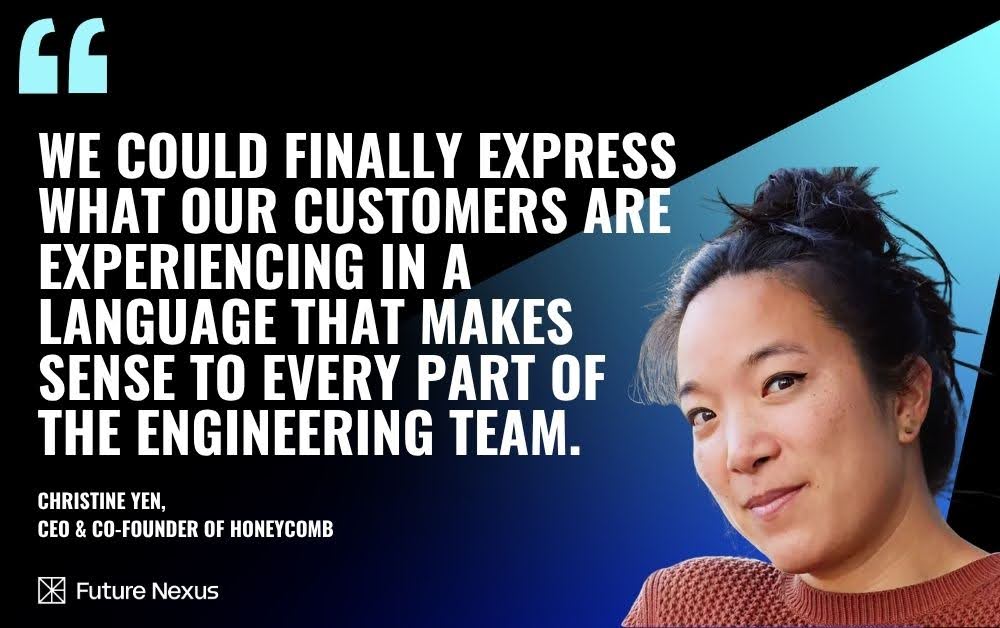
“We could finally express what our customers are experiencing in a language that makes sense to every part of the engineering team,” Yen said.
They bolted. Vowed to bottle Scuba for the masses. Enter Honeycomb. Observability born from pain.
But wait. Facebook’s Scuba UI? Butt-ugly. Team shrugged: “Fix it yourself or shut up.”
Yen? She prioritized UX from day one. No fear-inspiring dashboards. Friendly tools that don’t make devs want to hurl.
Is Honeycomb Just Another Monitoring Toy?
Early pitch problems. 2015: Companies juggled logs here, APM there, metrics elsewhere. Honeycomb as ‘flexible monitoring’? Or ‘fast logging’? Pigeonholed. Objections flew.
Smart move: Reposition as observability. High-cardinality querying. Real-time visibility into distributed systems. No aggregates blurring the truth.
Skeptical? Fair. Hype swirls around every dev tool. But Yen’s war story rings true. I’ve seen teams waste days on similar wild goose chases — New Relic dashboards that tease but don’t tell.
Unique twist: This echoes the Nagios era. Remember those? Ping-based alerts for monolithic apps. Cute in 2000. Laughable now in microservices mayhem.
Honeycomb predicts the next wave: AI-augmented ‘mob coding.’ Claude brainstorming mecha suits? Wild. But pair it with visibility, and devs iterate fearlessly.
Corporate spin alert. Honeycomb’s no panacea. Still needs your data structured right. Garbage in, garbage queries. But it forces honesty — no hiding behind averages.
Yen hits HumanX conference April 6-9. Expect mob coding demos. Building human-scale mecha? Sounds nuts. Probably genius.
Devs, listen up. That ‘everything’s fine’ lie from aggregates? It’s killing velocity. Honeycomb — or whatever evolves it — demands you see the chaos as it happens.
One bold call: By 2026, observability won’t be optional. It’ll be table stakes, like Git today. Ignore it, watch your SLAs crumble under rogue apps. (Or dating disasters.)
Short version? Ditch the blindfolds. 30 seconds beats hours every time.
Why Do Devs Still Fear the Unknown?
Fear lingers. Even with tools, mapping customer pain to code feels like voodoo.
Facebook bootcamp tale: Scuba team’s ‘UI sucks? Join us’ retort. Brass. But Parse DNA made Yen obsess over usability.
“We knew that the friendlier we make it for people to use these tools, which otherwise inspire fear, the better experience people are going to have.”
True. Ugly interfaces breed abandonment. Honeycomb flips it — query like SQL, visualize like magic.
Critique time. Industry’s fragmented. Datadog, New Relic hoard market share with bloat. Honeycomb’s leaner, but scaling adoption? Tough sell against incumbents’ entrenchment.
Still, Yen’s right. Silos kill. Shared visibility unites.
🧬 Related Insights
- Read more: Cypress Agents in Cursor: End E2E Testing Nightmares Forever
- Read more: Claude Code Quietly Outships Cursor in the Trenches of Real Projects
Frequently Asked Questions
What is Honeycomb observability?
Honeycomb lets devs query high-cardinality data in real-time, linking code, infra, and customer signals without aggregates.
How did a Russian dating app crash Parse?
Unexpected telemetry shapes overwhelmed Cassandra clusters; no tools tied it to the specific app.
Can Honeycomb replace my monitoring stack?
Not outright — but it unifies visibility, slashing debug time from hours to seconds for complex systems.