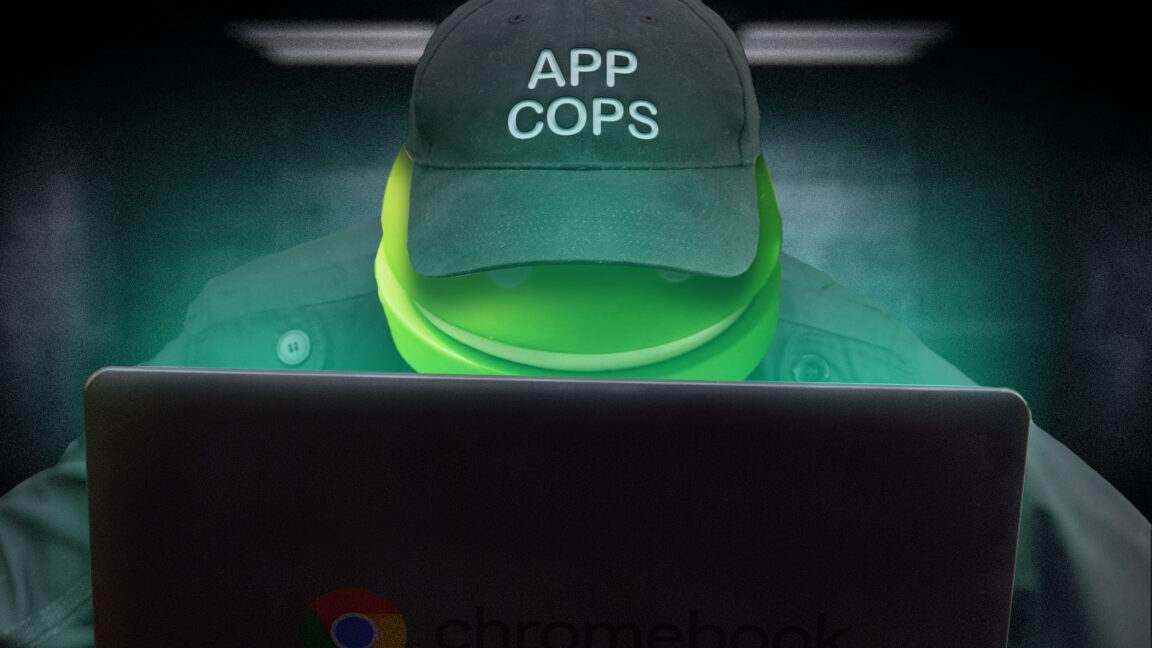
Android promised the world back in 2007. Open. Free. Yours to tinker with. No Apple-style gatekeeper breathing down your neck.
Now? Google’s flipping the script. Developer verification hits later this year, forcing outside-the-Play-Store app makers to cough up real names and fees. Sideloading blocked otherwise. On most Android devices, anyway.
Expectations shattered. Users figured security tweaks would stay gentle—malware scans, maybe warnings. Not this. It’s a full-court press on freedom, all in security’s name.
Why Copy Apple Now?
Google’s got iPhone envy. Bad.
Remember when Android mocked iOS’s ‘walled garden’? That was the sell: install whatever, root if you dare, customize till your eyes bleed. Play Store was chaotic fun—exploits, root kits, the works. Google cleaned it up over years, sure. Safer now. But this? It’s iOS 2.0 for Android.
It’s been nearly 20 years since Google revealed Android, which the company described as the first “truly open” mobile operating system.
Hypocrisy stings. And here’s my hot take nobody’s saying: this reeks of antitrust panic. EU’s breathing fire over Play Store monopoly; DOJ suit incoming. Verification? Fancy dress for control. Developers register or vanish—poof, less competition.
Short-term win for Google. Long-term? Ecosystem bleeds.
Look, scams won’t vanish. Fee-paying crooks still slip through. Honest sideloaders—like modders, regional apps, privacy nuts—get hosed. Your phone’s ‘safer’? Marginally. At what cost?
Christoph Hebeisen from Lookout calls it an ‘evolution.’ Cute. Evolution implies progress. This feels like regression to mean.
Does Sideloading Actually Die?
Not dead. Maimed.
Google swears it’s for all devices, but watch the footnotes. OEMs like Samsung might carve exceptions—One UI’s always been a rebel. China market? Sideloading’s lifeblood there; Google won’t torch it.
Still, the vibe shifts. Devs outside Play? Jump through hoops. Pay up. ID yourself. Why bother when iOS Swift apps pay better, run smoother? Android’s dev diaspora incoming.
Picture this: 2010 all over again, but reversed. Back then, devs flocked to Android’s openness. Now? They’ll eye Apple’s predictability. Historical parallel? Windows Phone. Microsoft locked it too tight, devs bailed. Ghost town.
Google’s PR spin: ‘Security first!’ Bull. It’s control first, security second. Tilting at windmills, as the original says—malware’s not the real foe here.
But wait—users still ‘have the final say,’ right? For now. Warnings on installs? Already there. This verification? Backend block. No prompt. App won’t even try.
Privacy hit, too. Real names to Google? Goldmine for ads, subpoenas. Devs in oppressive regimes? Screwed.
The Developer Backlash Brews
Indie devs howl already. Forums lit up—XDA’s a warzone. ‘Google killing Android,’ they cry. Fair.
Big picture: Android’s 70% market share? Relies on openness. Sideloading fuels emerging markets, custom ROMs keep enthusiasts hooked. Strip that? iOS creeps closer.
Prediction: fork city. LineageOS explodes. Fairphone doubles down on pure Android rebellion. Google chases its tail.
And scams? Laughable fix. Play Store’s got fakes daily. Verification just prunes the low-hanging fruit—leaves the orchard infested.
Corporate hype detector: pinging off the charts. ‘Necessary evolution,’ Google purrs. Nah. It’s envy-fueled overreach.
Users, adapt. VPNs for sideloading workarounds? Maybe. But the soul’s gone.
🧬 Related Insights
Frequently Asked Questions
What is Google Android developer verification?
It’s a system requiring non-Play Store app devs to register real names and pay fees, or their apps get blocked from sideloading on most Android devices.
Will Android sideloading be completely banned?
No, but heavily restricted—expect blocks on mainstream devices, with possible OEM exceptions.
Why is Google doing this now?
Officially for security. Real reason? Mimicking Apple’s control amid regulatory heat on Play Store dominance.
Word count: 942.
