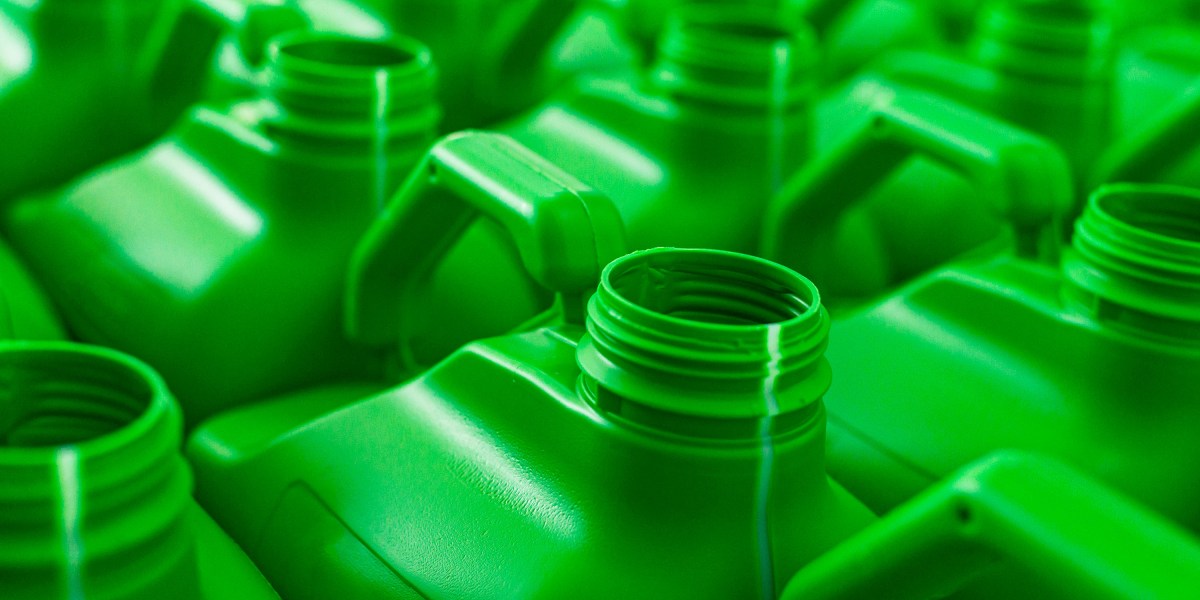
That plastic water bottle you grab daily? It’ll sting more soon.
Gasoline’s topped $4 a gallon across the US — highest since 2022 — because the Strait of Hormuz is choked off by the Iran war mess. But plastic prices are the sleeper shock coming fast. Families stocking holiday toys, factories churning car parts: they’re all exposed.
Crude’s over $100 a barrel. Naphtha — that key oil fraction for plastics — up 50% in Asia last month alone. Middle East pumps 20% of global supply, feeds 40% to Asia’s markets.
India’s top water bottle maker just jacked prices 11%. Packaging costs? Up 70%. Reuters nailed it:
The largest supplier of water bottles in India recently announced that it would raise prices by 11% after its packaging costs went up by over 70%.
Toys pricier this Christmas. Food containers, bottle caps, auto bits made from polypropylene — all climbing.
Why Your Wallet Feels Plastics More Than Fuel
Americans devour plastic. Over 250 kg per person yearly in 2019 — four times the global average of 60 kg, per OECD data. We’re plastic fiends.
Clothes with synthetic fibers (that’s you, right now). Keyboard under your fingers. Glasses lenses. Medical gear. Coffee cups. It’s everywhere — 431 million metric tons produced globally in 2025.
Manufacturers hoard stock, but weeks from now? Gone. Then prices cascade.
And here’s the kicker no one mentions: this echoes the 1973 oil embargo. Back then, plastics rocketed 300% in spots, birthing shortages for everything from trash bags to car bumpers. But today’s world? Way more hooked — smartphones, EVs, packaging boom. Prediction: disruptions last longer, bite harder.
But — wait — isn’t this the green wake-up call?
Can Bio-Plastics Save Us from the Crunch?
Nope. Not yet.
Bio-based stuff from plant sugars? Just 0.5% of market. Maybe 1% by 2030. Costlier, too — and scaling means raiding farmland, hiking food prices, torching more forests for crops.
Recycling? Mechanical wears out fast — bottles become low-grade junk after rounds. Chemical recycling? Plants belch pollution; most “recycled” plastic still loops to landfills.
The original piece dreams this pushes solar, EVs. Fair. But plastics? No easy swap. Energy’s got batteries. Plastics underpin everything — from IV bags to phone cases.
Our decarbonization obsession skips this. Talk all you want about net-zero; fossil plastics are the stubborn core. This crisis exposes it — we’re addicted, and detox hurts.
Look, oil’s rollercoaster isn’t new. Distillation splits crude into jet fuel, asphalt, gasoline. Naphtha’s the plastic feeder — boosts fuels or builds polymers.
Asia’s already reeling. US? We’ll import pain. Holiday shelves thinner, cars costlier to make.
How Long Until Plastic Prices Peak?
Weeks, if stocks burn out. Months if Hormuz stays shut.
No quick fixes. Bio-plastics won’t scale without subsidies or mandates — and even then, environment trade-offs loom (corn ethanol flashbacks, anyone?).
Industry spin? They’ll cry “temporary.” But data says otherwise: US plastic use ballooned 50% since 2000. Demand’s inelastic — we need it.
My take: this forces a rethink. Not just hype-y renewables, but real plastic innovation. Gene-edited microbes for cheaper bios? Carbon capture in crackers? Underfunded now.
Politicos love energy transitions. Plastics? Crickets. Yet 5% of CO2 from production. Flip that dependency, or pay forever.
Real people — parents eyeing toy aisles, commuters with reusable bottles (ha, those’ll cost more too), builders short on pipes.
It’s not abstract. Gas hurts tanks. Plastics hit homes.
And if war drags? Compounded chaos — fuel + feedstock spikes = inflation on steroids.
🧬 Related Insights
- Read more: What If ‘Guilty’ Verdicts Upset Criminals? UK’s Wild Satire Exposes Justice’s Soft Underbelly
- Read more: India’s Byzantine Legal Maze: Why Off-the-Shelf AI Won’t Cut It
Frequently Asked Questions
Will plastic prices keep rising in the US?
Yes, likely soon. Asian spikes already here; US stocks deplete in weeks, imports follow.
What are alternatives to fossil-based plastics?
Bio-plastics (plant-based) and recycling, but tiny shares (under 1%), costlier, scalability issues.
Does this crisis speed up green plastics?
Maybe long-term, but short-term pain first — no ready swaps for 99% of demand.
