Why does wind risk insurance premiums hit homeowners like a category 5 gut punch, while wildfires barely make insurers blink?
I’ve chased Silicon Valley hype for two decades, but today’s real grift? It’s in the fine print of your homeowners policy. That GAO report dropped a bomb: between 2019 and 2024, homes in severe or extreme wind risk zones shelled out 58% more—$1,294 extra a year—than those just one notch down in major wind areas. Wildfire? A measly 8%, or $181.
And here’s the kicker.
Premiums in those top wind danger zones didn’t just start higher—they grew faster. ZIP codes screaming severe wind saw 6-10% yearly hikes since 2021. Major risk spots? A sleepy 1-4%. Wildfire followed suit, but nowhere near as vicious.
“For example, for each year since 2021, premiums in ZIP codes with severe or extreme risk for wind or wildfire grew by 6–10% on average, and premiums for ZIP codes with major risk grew by 1–4%,” the report said.
Why Does Wind Scare Insurers More Than Flames?
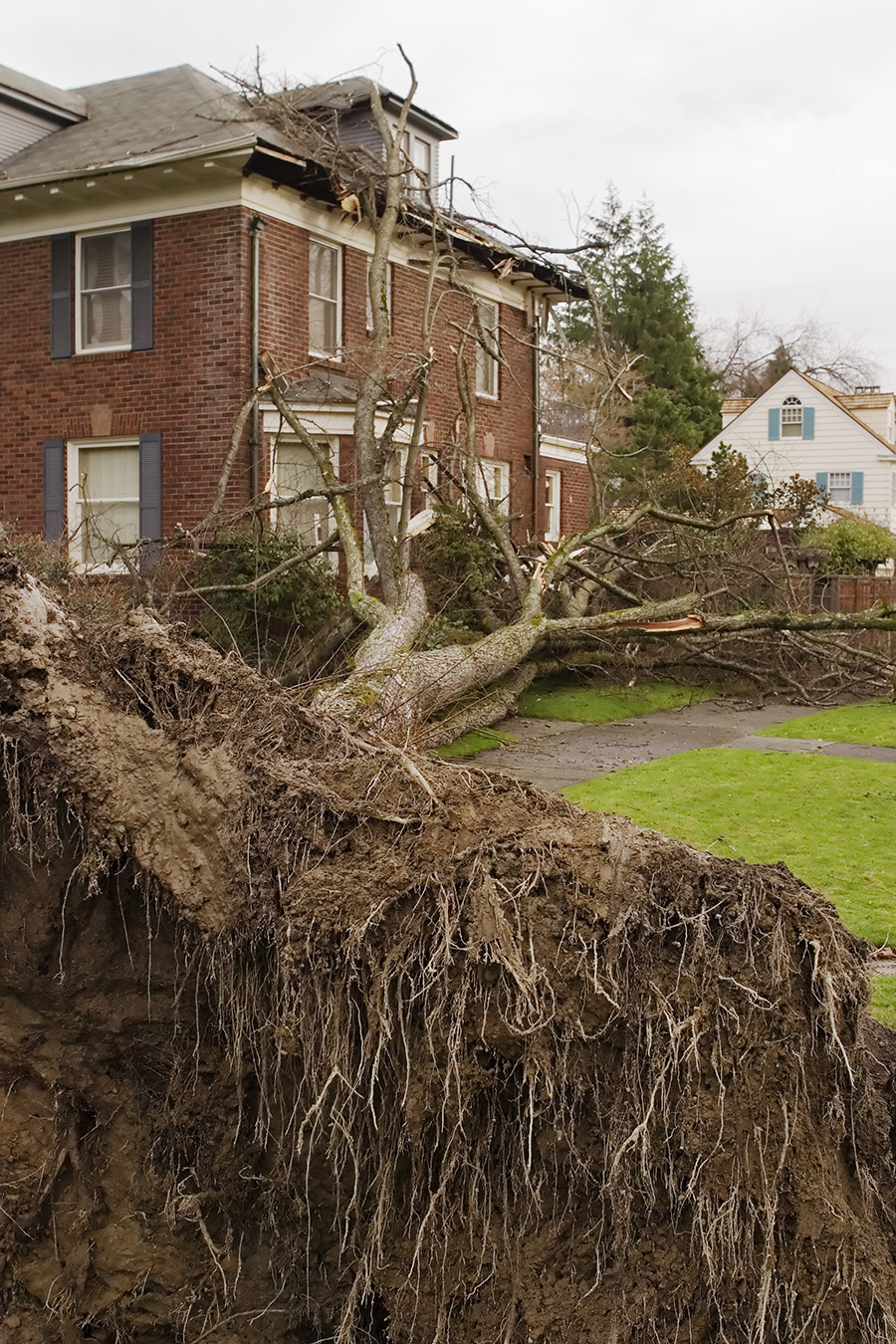
Look, wildfires grab headlines—California ablaze, evacuations, billion-dollar claims. But wind? It’s the silent killer for carriers. Hurricanes, tornadoes, tropical storms—they rip roofs off, shatter windows, flood basements in one swipe. Fire’s containable with crews and backburns; wind’s chaos is airborne, hitting wide swaths before you blink.
Insurers model this stuff obsessively.
Back in 2005, post-Katrina and Rita, Florida premiums doubled overnight. Sound familiar? That’s my unique angle here—the GAO data echoes that era’s panic pricing, but supercharged by better data and climate dread. Insurers aren’t guessing anymore; satellite wind maps and AI models spit out exact peril scores per ZIP. Result? Precision pain for you, fat margins for them.
But who’s actually making money? Not you, coastal sucker. Allstate, State Farm—they’re pulling record profits while crying poverty to regulators.
Short para: Coastal North Carolina got wrecked—50%+ real premium spikes.
Texas too. Florida. Even Utah? Weird, but yeah, those mountain gusts add up.
Is Your ZIP Code Primed for a 50% Premium Bomb?
Nationwide, premiums tracked inflation—3% rise post-adjustment. Yawn. But disaster zones? Southern coasts ballooned 25%+. North Carolina beaches, Texas Gulf—over 50% in spots. California snuck in there too, despite the wildfire rep.
Here’s the cynical truth: GAO dug into private policies 2019-2024, plus last-resort insurers back to 2014. Talked to feds, industry suits, consumer watchdogs, state regs. Consensus? Risks are real, but pricing’s brutal.
And prediction time—my bold call absent from the report: with warming oceans brewing stronger storms, expect wind premiums to double in high-risk zones by 2030. Coastal real estate? Toast. Sellers dumping properties now, buyers balking. Insurers win big; everyone else, not so much.
Wander with me here—remember Florida’s assignment-of-benefits scams post-Irma? Same playbook. Litigious roofers, endless claims. Wind claims explode because damage looks bad on photos, easy to inflate. Fire? Total loss or nothing.
Who’s Getting Screwed — And Who’s Cashing In?
Consumer advocates screamed to GAO: affordability crisis. Can’t buy insurance? Can’t get a mortgage. Vicious cycle in fire/wind hellscapes.
Industry spin? “We’re just matching risk.” Bull. Profits soared 20%+ yearly while they lobby against mandates. States like California cap hikes; others let ‘em rip.
One sentence: Homeowners in minor-to-major wind jumps paid 15% more—$292.
Wildfire? 11%, $222. Consistent pattern—wind’s the wallet-drainer.
Regulators yawned in interviews. Feds? Watching. But change? Slow as molasses.
The Bigger Climate Cash Grab
This ain’t tech—wait, is it? Insurers lean hard on catastrophe modeling software from firms like RMS, AIR Worldwide—fintech adjacent, InsurTech pure. Algorithms crunch climate data, spit premiums. Skeptical vet take: these black boxes favor shareholders, not you.
Historical parallel: 1992’s Hurricane Andrew bankrupted carriers, birthed today’s models. GAO shows they’re working—too well. Premiums outpace inflation where peril lurks.
But hype alert—insurers peddle “resilience discounts” for forts. PR spin. Real fix? Move inland, or pay up.
🧬 Related Insights
- Read more: Saylor’s Bitcoin Binge: Why the Market Yawns
- Read more: Bittensor’s TAO Doubles: Decentralized AI Dream or Crypto Mirage?
Frequently Asked Questions
What causes wind risk premiums to jump more than wildfire?
Wind hits broader, harder to mitigate, and claims inflate easier—GAO pegs 58% gaps vs 8% for fire.
Will my coastal home insurance double soon?
High chance in severe zones; GAO saw 50%+ in NC/TX already, with faster growth ahead.
How can I lower premiums in wind-prone areas?
Shop carriers, fortify home (maybe), or pray— but data shows hikes stick.
