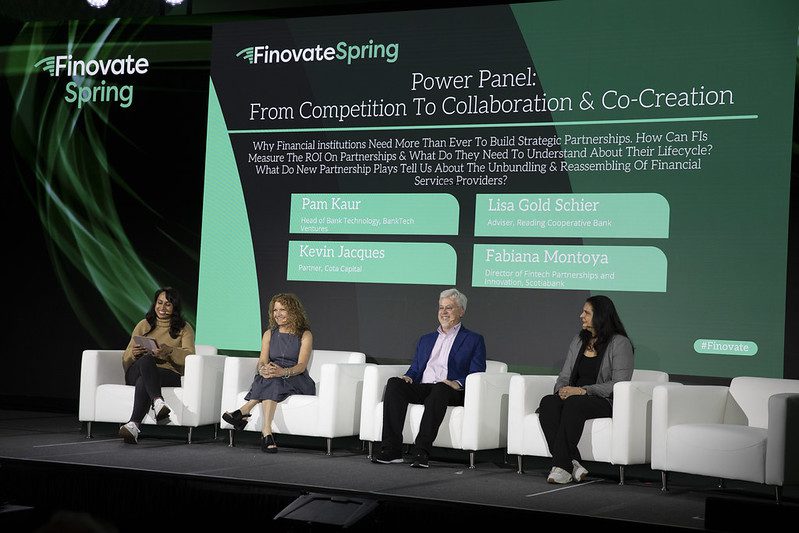
Sun beating down on the San Diego convention center steps, agenda in hand, and I’m already skeptical about the agentic AI salvation they’re promising at FinovateSpring 2026.
Look, I’ve covered these confabs for two decades—back when blockchain was gonna fix everything, and now it’s agentic AI’s turn to play messiah. This May 5-7 shindig packs eight trends they’ll swear are reshaping fintech, from AI autonomy to stablecoins dodging DeFi’s wreckage. But here’s my first question: who’s pocketing the cash while you’re buying tickets?
Agentic AI: Miracle Worker or Marketing Mirage?
Agentic AI. Systems that decide and act on their own—no babysitting required. Sounds slick for fraud busting, investments, credit checks. They’ve got a laundry list of sessions: keynotes on trust-building CX, workshops to save time and money, panels yelling ‘AI everywhere, all at once.’
AI is undeniably the most compelling and in-demand technology in banking and financial services today—and the innovation in AI that is attracting the most attention is agentic AI.
That’s straight from the promo. Fine. But remember 2017? Blockchain agents were gonna automate your life too. Fast-forward, and it’s mostly hype—pilots gathering dust. My unique bet: agentic AI hits 80% resolution rates only if banks ditch vendor lock-in and build in-house. Otherwise, it’s just another SaaS subscription bleeding margins. Community banks bragging ROI on a shoestring? Good for them. Big players? They’ll overpay for orchestration fluff like ‘invisible infrastructure.’
And that keynote on agentic commerce reshaping retail? Please. E-commerce’s already AI’d to death.
Short para for emphasis: Hype detected.
Stablecoins: Finally, Something Banks Can Bank On?
Stablecoins. The DeFi survivor nobody hates anymore. Cross-border zaps, remittances, volatility hedges—all while staying pegged. Regulatory nods under the GENIUS Act? That’s new. Sessions pit them against deposit wars, with low rates and stock booms sucking cash away.
But. Banks aren’t building these from scratch; they’re partnering with crypto cowboys who got burned in FTX. Genius? Or desperation? I’ve seen stablecoins pitched as the next Visa since Tether’s early days—turns out, they’re glue for blockchain’s mess. Prediction: by 2027, 20% of remittances flow stablecoin via banks, finally monetizing that dusty ledger tech. Fireside chats on policy shifts? Essential. But if you’re a credit union fighting deposit bleed, this beats yield-chasing gimmicks.
One sentence: Real utility, at last.
Now sprawl: Embedded finance gets love too—not just for Uber selling you loans, but banks embedding into weird spots like Shopify carts or HR payrolls. Scaling, diversifying, new customers. Sessions promise the how-to. Yet, after years of non-banks feasting, banks are late. Who wins? Platform owners, always. Banks get scraps unless they own the rails. Open banking’s US lag—thanks, no Section 1033 mandate—keeps it market-driven chaos. Europe laps us; Australia’s mandatory. Panels will hash uncertainties, but don’t hold breath for breakthroughs.
Fighting Crime: AI vs. AI, Round Whatever
Fraudsters wield AI now. Banks counter with… more AI. Plus, collab over solo silos. Cybersecurity chats abound. Smart—sharing threat intel scales better than siloed defenses. But collaboration? Regulators love it in theory; antitrust hates it in practice. New challenges mean new vendors peddling ‘AI ahead of criminals.’ Yawn. We’ve heard this since deepfakes debuted.
Data deluge for hyperpersonalization. AI crunches it for ‘meet ‘em where they are’ services. Home, mobile, whatever. Noble. But privacy blowback looms—GDPR’s ghost haunts. And who owns the data goldmine? Not customers.
Why Does Agentic AI Dominate FinovateSpring 2026 Agendas?
Because it’s sexy. Autonomy sells tickets. But dig: plenary keynotes, briefings, workshops—all AI-skewed. Stablecoins get panels; embedded, chats. AI’s the peacock. Historical parallel? Dot-com era’s ‘intelligent agents’—promised worlds, delivered chatbots. This cycle, ROI claims from small banks hint traction. Big money? Orchestration firms laughing to the vault.
Will Stablecoins Save Banks from Deposit Droughts?
Maybe. Booming stocks lure savers; challengers nibble. Stablecoins as balance sheet balancers? Intriguing. GENIUS Act clarity helps. But commercial struggles persist—pegged assets ain’t risk-free. Tether flashbacks. Still, for cross-border, it’s killer. Banks win if they custody, not chase.
Wander a bit: Open banking’s US stutter? Dodd-Frank debates drag. Consumer data control sounds great—until sharing bites banks via scrapers. Finovate spotlights heat-check it. Expect fintech gripes, bank defenses.
Financial crime pivot: AI arms race. Fraud rings evolve; so must defenses. Collab platforms rise—think shared blacklists without Big Brother. Sessions promise solutions. Skepticism: tech alone fails; culture shifts needed.
CX via data/AI? Hyperpersonalization’s double-edge: delight or creep? More data, better models—yet breaches scar trust. Finovate’s optimistic; I’m wary.
Wrapping threads—FinovateSpring 2026 isn’t reinventing fintech. It’s refining survivors: AI that works (maybe), stablecoins that stick, embedded plays that pay. PR spin calls it ‘full-court press.’ I call it evolution, not revolution. Who’s making money? Vendors, always. Banks? If they question the buzz.
Two decades in, San Diego’s sun won’t change that.
🧬 Related Insights
- Read more: Coinbase’s x402: Crypto’s AI Payment Moonshot or Mirage?
- Read more: Qover’s $12M Lifeline: Embedded Insurance’s European Bet
Frequently Asked Questions
What is agentic AI in fintech?
Agentic AI gives systems autonomy to handle tasks like fraud detection or investments without constant human nudges—hyped at FinovateSpring 2026, but ROI varies wildly by implementation.
Top trends at FinovateSpring 2026?
Agentic AI leads, followed by stablecoins, embedded finance, open banking hurdles, and AI-driven anti-fraud—sessions galore from May 5-7 in San Diego.
Are stablecoins safe for banks?
Safer with regulation like GENIUS Act, great for payments and deposits, but peg risks and policy shifts linger—watch the fireside chats.